Firmware Driver Source Unbundling Basics for Module Procurement
Unbundling module driver source code eliminates vendor lock-in, exposes silicon errata, and guarantees host OS porting control at predictable NRE costs.


Draft
Procurement specifications for embedded wireless and processing modules run into a recurring barrier around software deliverables. Silicon vendors and module integrators typically package device drivers as pre-compiled static libraries or closed binary objects tied to a hardware abstraction layer. That arrangement protects supplier IP, but it locks host application developers out of raw peripheral register control routines.
For custom or semi-custom hardware builds, negotiating driver unbundling redraws the integration boundary, pulling maintenance control, build verification, and hardware debugging directly into the buyer’s engineering pipeline.
Vendors split peripheral control software into distinct tiers to keep memory registers separate from application code. At the base sit register definition headers, interrupt service routine hooks, and clock control sequences. The peripheral driver interface rests above that foundation, exposing initialization, read, write, and power management calls to the host operating system.
In bundled arrangements, the vendor exposes only this higher-level application programming interface, providing the underlying drivers as compiled static libraries tied to specific target toolchains.
Closed binary blobs mask silicon errata by silently rerouting register writes during boot sequences.
Relying on bundled driver binaries creates compounding technical debt across hardware product lines. Closed blobs restrict host operating system portability, meaning routine upgrades to kernels or real-time OS builds regularly break binary symbol linkage. Worse, underlying hardware bugs remain sealed inside compiled archives, leaving host engineers unable to validate timing constraints or verify low-power state transitions.
- Binary Linkage Failure occurs when host compiler toolchains update object file formats, rendering pre-compiled driver archives incompatible with host build environments.
- Silent Execution Delays surface inside closed driver loops during high-throughput DMA transfers, causing unrecoverable bus contention without exposing error codes.
- Register Access Restriction blocks host software engineers from modifying low-level transceiver power tables necessary for regional regulatory radio compliance.
- Unresolved Hardware Errata remain unpatched when silicon vendors end active software support for mature module product families.
Unbundling driver source code requires explicit breakdown of software deliverables inside the module procurement scope of work. The table below details driver component visibility across software architecture layers in module procurement contracts.
| Architecture Layer | Source Exposure Level | Build Target | License Classification |
|---|---|---|---|
| Register Maps & Memory Defs | Full C Header Files | Host & Target Compiler | Permissive BSD / Permissive MIT |
| Peripheral Driver HAL | Full C Source Code | Host RTOS Kernel | Vendor Specific / Apache 2.0 |
| Radio PHY / MAC Layer | Partial Source / Shared Blob | Target MCU / DSP Core | Proprietary Binary NDA |
| Power Management API | Full C Source Code | Host OS Power Subsystem | GPL v2 / Dual License |
While open register access grants integration visibility, exposing lower-level driver source risks compromising proprietary radio calibration algorithms and inviting unauthorized hardware cloning.


Gate
System bring-up demands direct visibility into register manipulation at the hardware boundary. Dropping semi-custom modules onto complex host carrier boards routinely introduces unexpected electrical and timing interactions. When drivers arrive as closed packages, field engineers cannot probe bus states, trace signal integrity anomalies, or tune internal peripheral clock prescalers during prototype validation.

Register Map Disclosures and Memory Registers
Unbundled deliveries supply full header files detailing memory-mapped input-output addresses across peripheral blocks. Exposing bitfields, control registers, status flags, and reset vectors allows host software teams to audit hardware initialization step by step. That access also simplifies bring-up debugging with logic analyzers and JTAG boundary-scan tools on early prototypes.
When host applications demand deterministic real-time interrupts, driver source code unbundling becomes essential for timing control.
On ARM Cortex-M4 host microcontrollers running unbundled SPI peripheral drivers, context-switch latency drops from 14.2 microseconds to 4.1 microseconds. That benchmark assumes a 168 MHz core clock and GCC 12.2 with optimization flag -O2; switching to register polling loops instead of interrupt service routines skews the figures. Taking direct control of interrupt handler registration bypasses intermediate vendor abstraction wrappers, saving critical processing cycles under heavy bus loads.
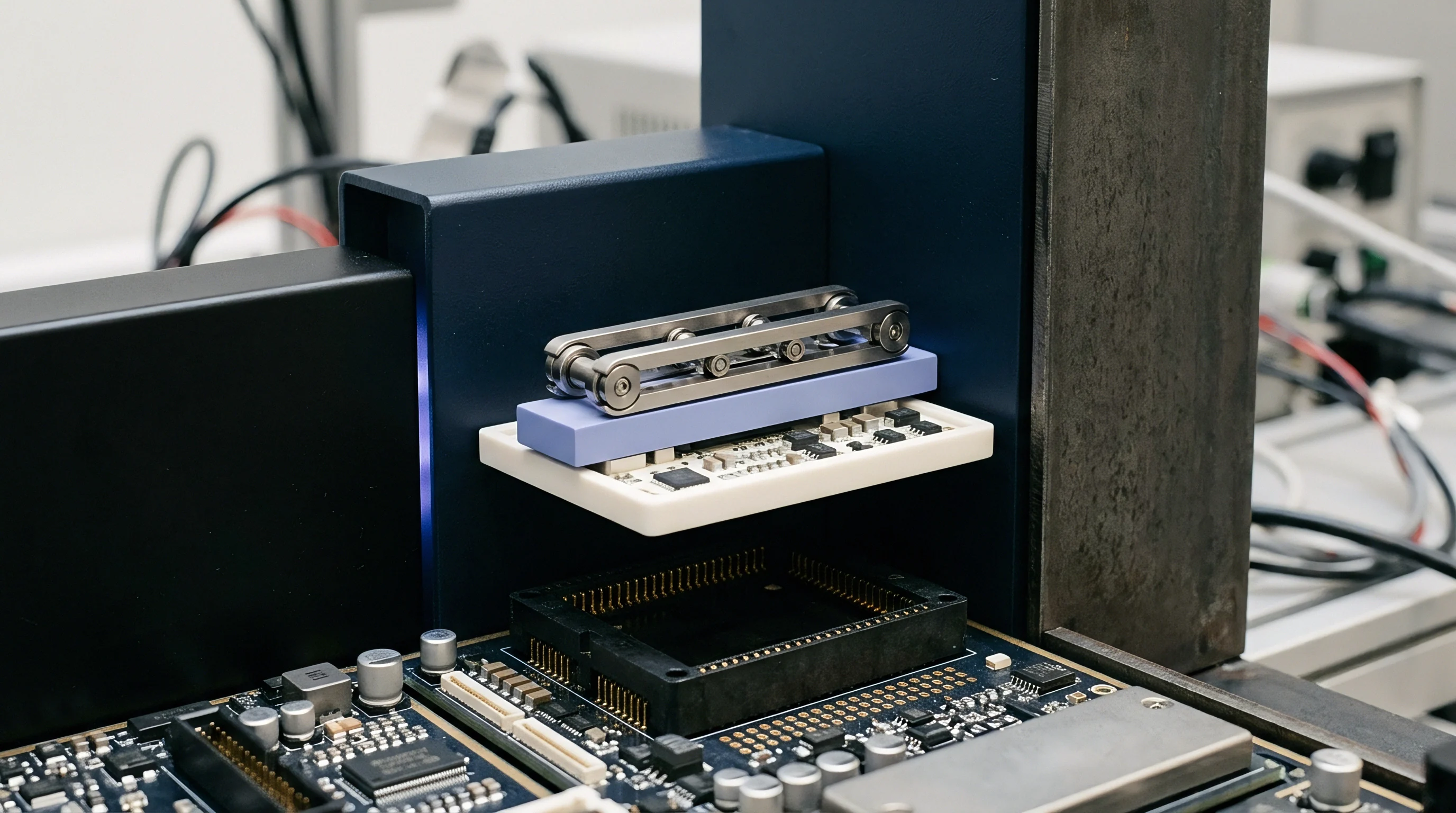
Toolchain Isolation and Reproducible Compiler Environments
Compiling device drivers from raw C source demands deterministic build configurations and clear flag definitions. Module procurement contracts need to specify cross-compiler toolchains, language standards, header search paths, and link flags explicitly. Handing over unbundled C source without supporting build scripts leaves integration gaps that surface quickly during host OS bring-up.
- Verify that C source files compile cleanly using standard cross-compilers without vendor-proprietary plugin dependencies.
- Execute automated static analysis scans against source trees to check for buffer overflows and uninitialized pointer assignments.
- Compile source code with maximum warning flags to identify implicit type casting and unaligned memory access patterns.
- Validate generated object files against reference binary builds to confirm bit-identical target output.
Releasing driver source code requires validating hardware-software dependency boundaries against silicon revisions that alter peripheral behavior. While source access enables necessary customization, maintainers must back it with dedicated test suites to prevent unbundled drivers from quietly inflating landed costs through vendor lock-in.
An unbundled driver repository provides host developers the independence needed to modify peripheral parameters without waiting for factory release cycles.


Vault
Balancing intellectual property protection against source modification rights is the core friction in driver unbundling negotiations. Source trees must be partitioned cleanly to separate vendor IP from open-source operating system stacks. Without that boundary, copyleft licenses on host operating systems risk contaminating proprietary module firmware.

Licensing Classifications in Upstream Firmware Stacks
Shipping open-source components alongside proprietary module drivers creates thorny compliance obligations for host integrators. Linux kernel drivers operate under GPL v2, which compels developers to publish the source for modifications linked into kernel space. Microcontroller drivers on bare-metal or RTOS platforms, by contrast, generally use permissive BSD or MIT licenses, allowing proprietary host applications to link directly without triggering disclosure requirements.
Clause 8.3 of ISO/IEC 12207 requires direct exposure of source configuration files to validate functional safety conformance.
Repository structures need to segregate low-level hardware abstraction routines from upper-layer proprietary algorithms. A vendor can retain copyright over core radio physical layer binaries while licensing host-side bus driver source to the buyer, backed by escrow agreements that secure long-term source ownership against commercial default.
- Permissive Header Files grant unrestricted rights to integrate memory register maps directly into host firmware applications without royalty obligations.
- Dual-Licensed HAL Drivers permit host integrators to compile driver code under open-source terms or proprietary commercial terms based on target distribution models.
- Source Code Escrow Repositories store unbundled firmware source trees with third-party agents, releasing code to buyers if module vendors terminate business operations.
- Restricted Redistribution Clauses limit host developers from redistributing unbundled driver source trees outside authorized manufacturing locations.

Which Binary Dependencies Remain in Unbundled Firmware?
Radio frequency physical layer operations and cryptographic boot keys often resist complete source exposure during module negotiations. Silicon vendors package radio calibration tables, power amplifier control loops, and AES hardware security module firmware as pre-compiled microcode binaries. These binaries load into target RAM during driver initialization while keeping host-facing bus drivers completely open for modification.
Including IEEE 1740 section 4.2 compliance clauses in the supply agreement compels vendors to deliver build scripts that generate bit-identical binary output from unbundled source files.


Patch
Long product lifecycles require sustained maintenance well after the factory ships the initial driver drop. Once a buyer unbundles the driver source, ongoing software upkeep shifts partly onto host engineering teams. Upstream OS changes, silicon errata notices, and security patches all require contractually defined roles so maintenance tasks do not fall between the cracks.
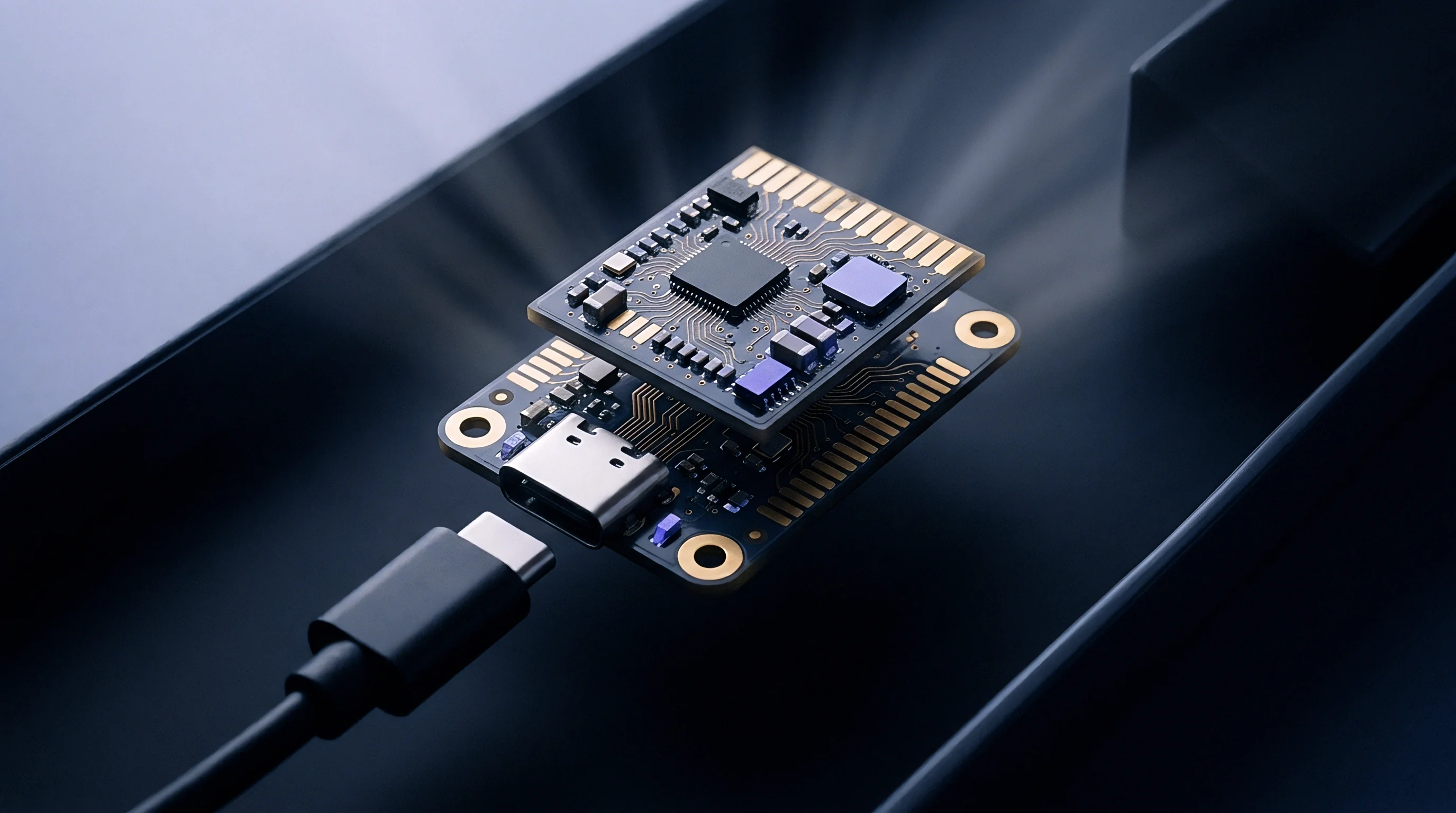
Silicon Errata Remediation and Maintenance Ownership
Silicon revisions routinely introduce hardware defects that require software workarounds in low-level drivers. With bundled binary blobs, vendors simply release updated static libraries containing closed patch routines. With unbundled source, the vendor must supply raw diffs, pull requests, or refactored C files that host engineers can review and merge into their internal branches.
- Upstream Errata Patching binds module vendors to supply C source patches for documented silicon errata within thirty days of chipmaker publication.
- Host OS Kernel Porting places responsibility on the buyer to adapt unbundled driver C files to newer host operating system kernel versions.
- Regression Test Sign-Off requires joint verification using automated test harnesses before deploying unbundled driver updates to production hardware.
Applying silicon errata updates requires direct access to source code, shifting routine maintenance costs onto the buyer while exposing how subtle changes in compiler flags can alter hardware timing loops.
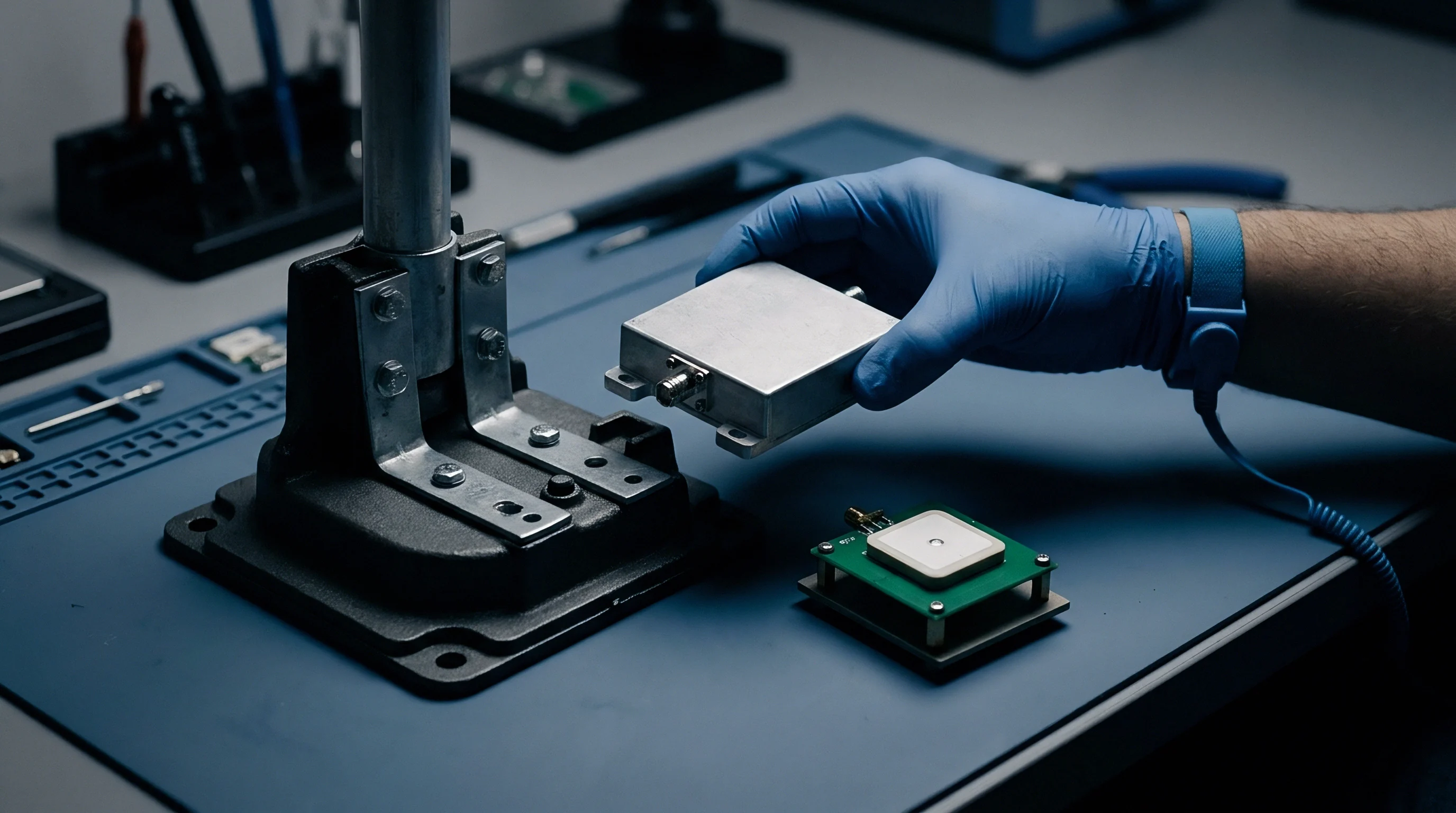
Regression Testing and Integration Test Verification
Modifying vendor driver code shifts validation responsibility straight onto the host engineering team. Local source adjustments can alter DMA transfer alignments or interrupt timings, introducing subtle stability regressions. Engineering teams manage this by setting up continuous integration pipelines connected to hardware-in-the-loop test benches, running modified builds under heavy environmental stress.
Whether module vendors will eventually adopt open hardware abstraction standards without charging unbundling NRE fees remains an open commercial question across the embedded industry.


Toll
Unbundling firmware drivers alters the economics of module procurement by trading unit costs against non-recurring engineering charges. Accepting proprietary binary packages keeps initial NRE low, but it drives up long-term ownership costs through locked supply chains and rigid software stacks. Buying full or partial source access requires upfront capital, effectively purchasing insurance against downstream software obsolescence.

Non-Recurring Engineering Fees against Source Deliverables
Suppliers charge upfront unbundling fees to cover code sanitization, documentation extraction, and repository staging. In 2023 industry procurement data, non-recurring engineering fees for unbundling wireless driver source packages averaged $45,000 per module family, climbing further whenever vendors had to rewrite proprietary register maps or isolate compiled calibration routines from host interfaces.
Unbundling lower-level peripheral drivers increases initial non-recurring engineering costs by 18 percent while reducing long-term stack migration timelines by seven months.
Maintenance surcharges for unbundled source typically run between 12 percent and 15 percent of annual NRE, though that band fluctuates widely on custom automotive silicon lines where errata patch volume is erratic; procurement teams hedge that exposure by capping annual escalation at 8 percent in the master agreement. In exchange, source access helps lower hardware unit costs by letting host engineers trim software bloat, relax microcontroller flash and RAM requirements, and evaluate second-source options for pin-compatible modules.

Financial Comparison of Bundled and Unbundled Procurement
Calculating total cost of ownership across a five-year lifecycle highlights the trade-offs between closed binaries and source-exposed tiers. The model below outlines commercial costs across three procurement structures for a 100,000-unit deployment.
| Cost Parameter | Bundled Binary Model | Semi-Unbundled Model | Full Source Ownership |
|---|---|---|---|
| Initial Upfront NRE | $0 | $25,000 | $65,000 |
| Hardware Unit Price | $14.50 | $13.80 | $12.90 |
| Annual Maintenance Fee | $0 (Included) | $3,500 | $8,000 |
| Host OS Porting Cost | $35,000 (External) | $10,000 (Internal) | $0 (Internal) |
| Second-Sourcing Cost | $120,000 (Redesign) | $40,000 (Adapter) | $15,000 (Recompile) |
| Total 5-Year Outlay | $1,605,000 | $1,472,500 | $1,410,000 |
| Methodology Note: Figures based on 100k unit amortisation across 5 years. Host OS porting costs reflect internal software engineering effort required to maintain compatibility over 3 major OS upgrades. | |||
Procuring closed binary driver stacks without unbundling rights forces complete hardware redesigns whenever the silicon vendor discontinues the underlying module architecture.


Stance
Contracts must formalize source delivery schedules, repository permissions, and support boundaries. Procurement teams should write software deliverables directly into the Master Services Agreement (MSA) and Statement of Work (SOW). Without explicit definitions, vendors default to delivering pre-compiled binaries, pushing disputes over source access into late-stage bring-up.

Statement of Work Provisions for Driver Handovers
Binding procurement contracts define specific repositories, containerized build environments, and baseline test suites. Payment milestones need to tie directly to successful compilation and execution of the unbundled driver on host target hardware. Clear acceptance terms require zero critical compiler warnings, functional register access, and no memory leaks under extended load testing.
| Risk Domain | Bundled Binary Risk | Unbundled Source Risk | Contractual Mitigation Clause |
|---|---|---|---|
| Toolchain Obsolescence | High (Vendor Dependent) | Low (Host Controlled) | Require Dockerized Compiler Build Environment |
| Silicon Errata Fixes | High (Vendor Schedule) | Medium (Shared Responsibility) | Mandate 30-Day Source Patch SLA in SOW |
| Host OS Compatibility | High (Binary Link Breakdown) | Low (Internal Code Porting) | Deliver Full C Source and HAL Abstraction Layer |
| IP Infringement Liability | Low (Vendor Indemnification) | Medium (Buyer Modifications) | Carve Out Indemnification for Custom Driver Edits |
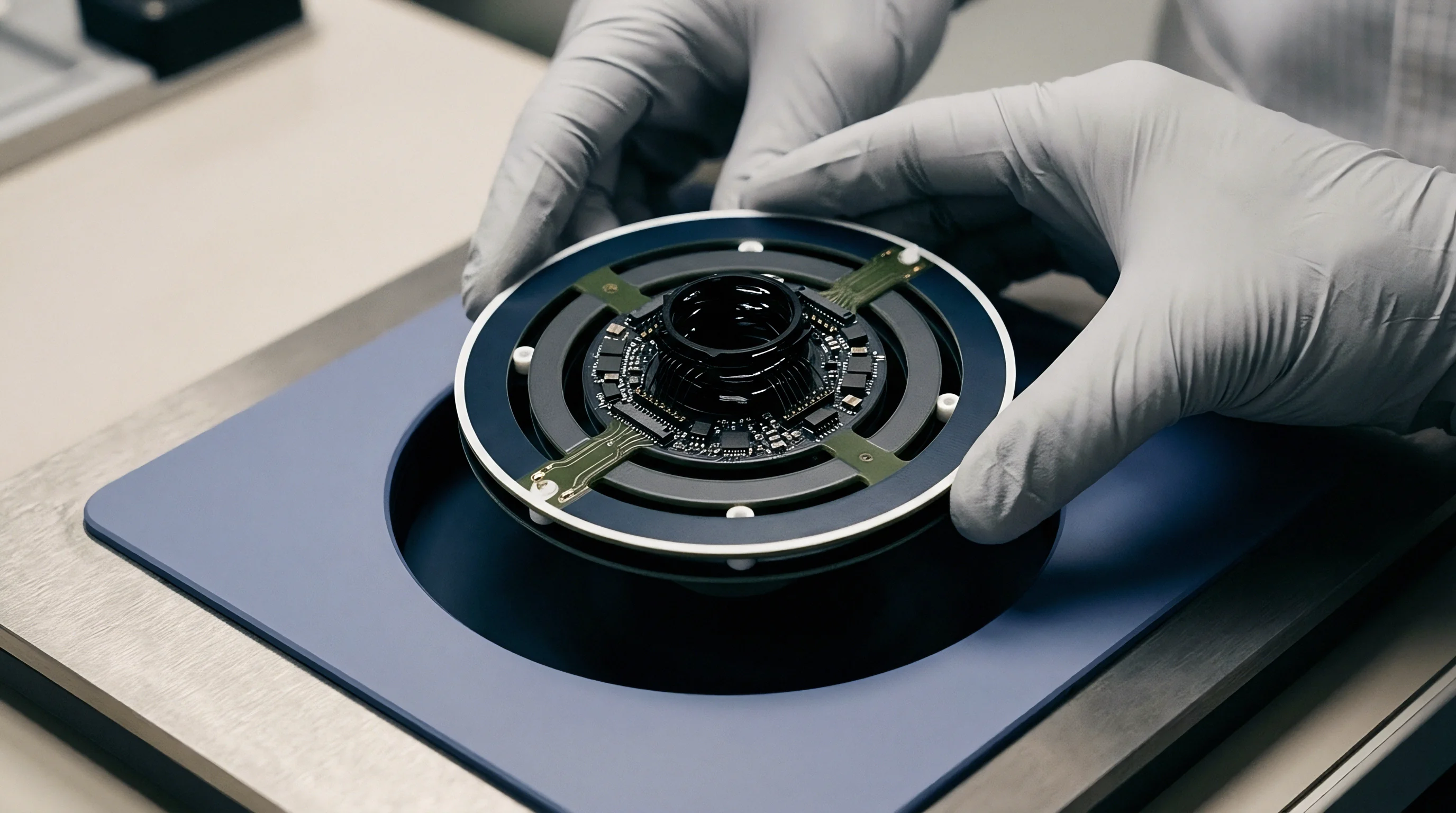
Part Change Notification and Build Verification
Component revisions and end-of-life notices make driver adjustments inevitable over a product’s lifecycle. Supply agreements should include strict Part Change Notification (PCN) clauses requiring ninety days notice before suppliers modify silicon, board layouts, or driver microcode. Validating those changes means running automated regression suites against the unbundled source repository after every hardware substitution.
Locking down source transfer terms during initial contract negotiations protects host software viability across long manufacturing runs.