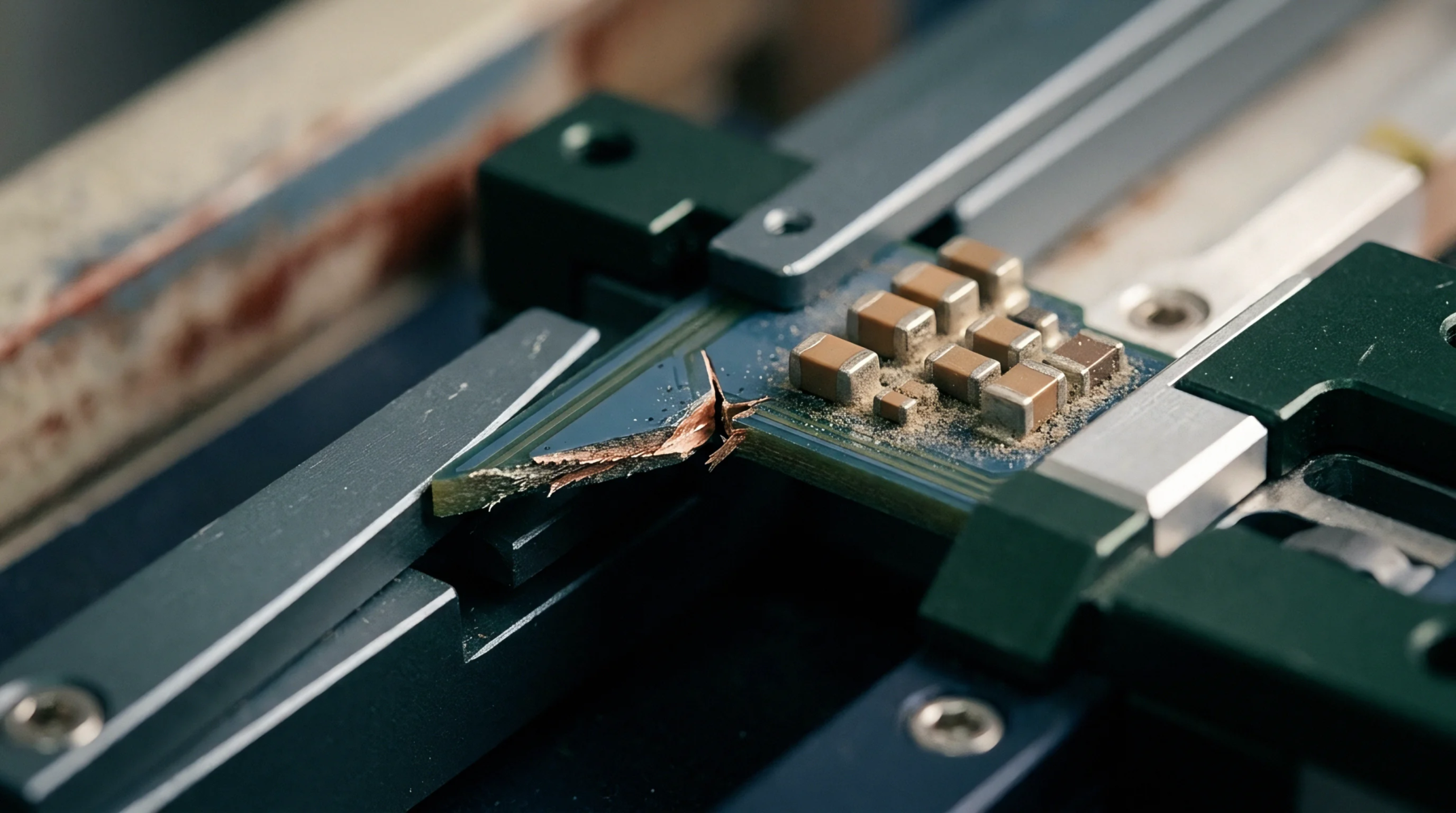
Substrate Dielectric Variance Impact on High Frequency Trace Impedance
Substrate dielectric variance alters trace capacitance and phase velocity, driving high-frequency impedance offsets, skew, and eye-closure failures.
Substrate dielectric variance alters trace capacitance and phase velocity, driving high-frequency impedance offsets, skew, and eye-closure failures.
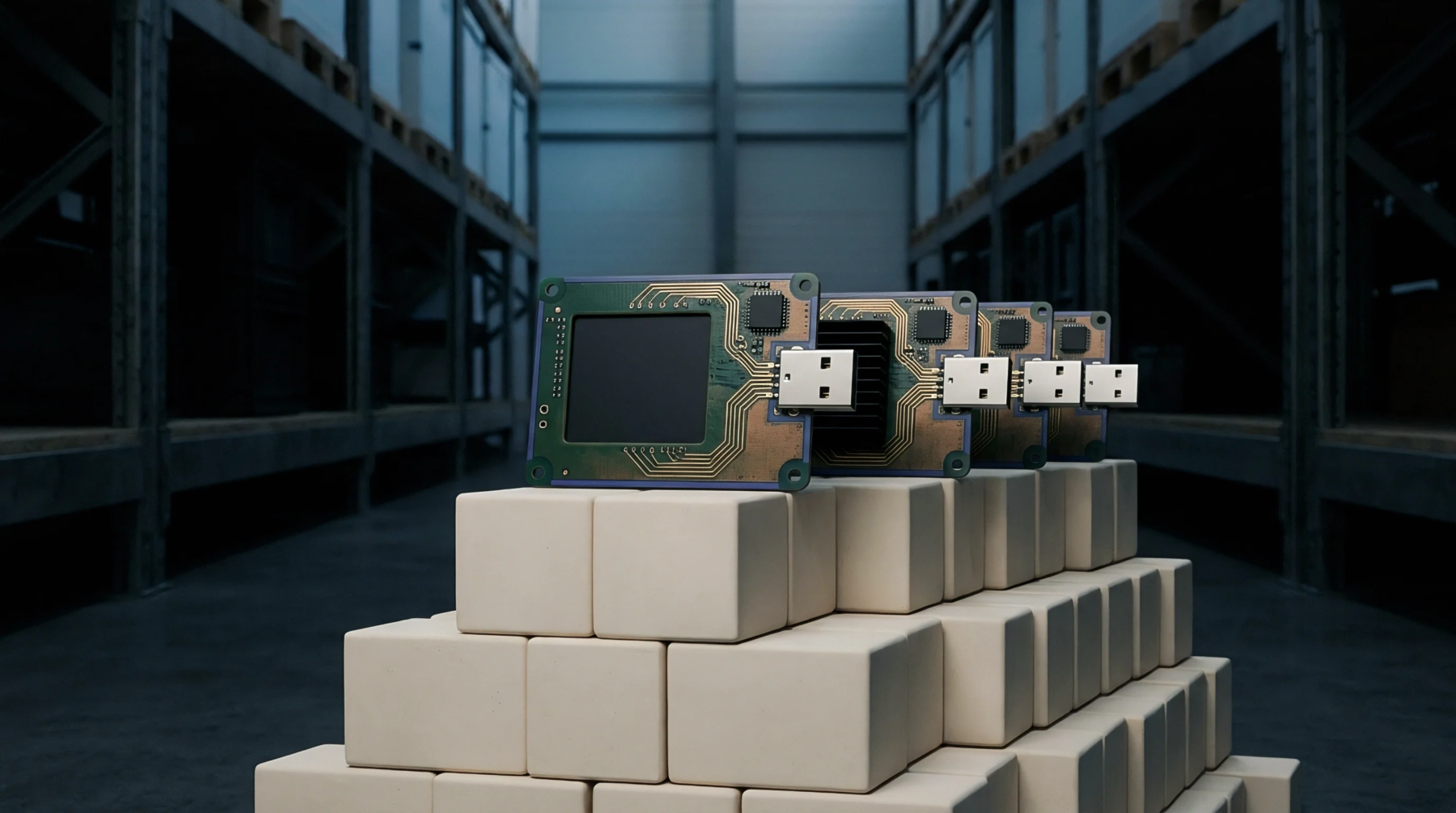
Isolate custom RF trace geometries from vendor basebands and secure dedicated indemnity holdbacks to survive cross-border second-source patent claims.

Managing firmware escrow and design transfers requires verified deterministic toolchains, complete EDA files, and factory test fixture documentation.

Clear intellectual property boundaries require explicit deliverable specifications for raw CAD source files, firmware build scripts, and test fixture designs.

Root cause apportionment isolates optical defocus and motion jitter through stroboscopic testing, allocating error variance to defined supplier scope lines.

Cross-border downtime penalties require explicit hourly tariffs, defined telemetry boundaries, and alignment with local foreign exchange rules to survive legal challenges.

Calculated SMT downtime exposure combines fixed overhead labor, reflow scrap purges, and AOI mean time to repair to establish true operational risk.

Erosion at injection gates breaks glass fibers and degrades tensile properties, requiring empirical wear thresholds and contractual refurb reserves.

Increasing gate cross-sectional area and minimizing land length reduces peak shear and elongational strain, preserving fiber aspect ratios and structural stiffness.

Quantifying polymer melt velocity gradients requires combining Mooney wall slip slit die rheometry with non isothermal Cross WLF velocity profile modeling.

Statutory possessory liens override arbitral emergency surrender orders until the buyer confirms the order in local court or substitutes cash escrow.

Cross-border tooling recovery requires local asset registry filings, physical marking, and explicit statutory lien waivers to defeat local retention claims.

Emergency arbitral surrender orders break factory possessory liens only when paired with cash substitute security and local court replevin writs.

Manage dynamic contact resistance drift by isolating sense lines with four-wire Kelvin probes and active cooling to prevent electrothermal asperity creep.

Guardbanding converts metrological measurement uncertainty into tightened acceptance limits to prevent defective production lots from reaching field deployment.
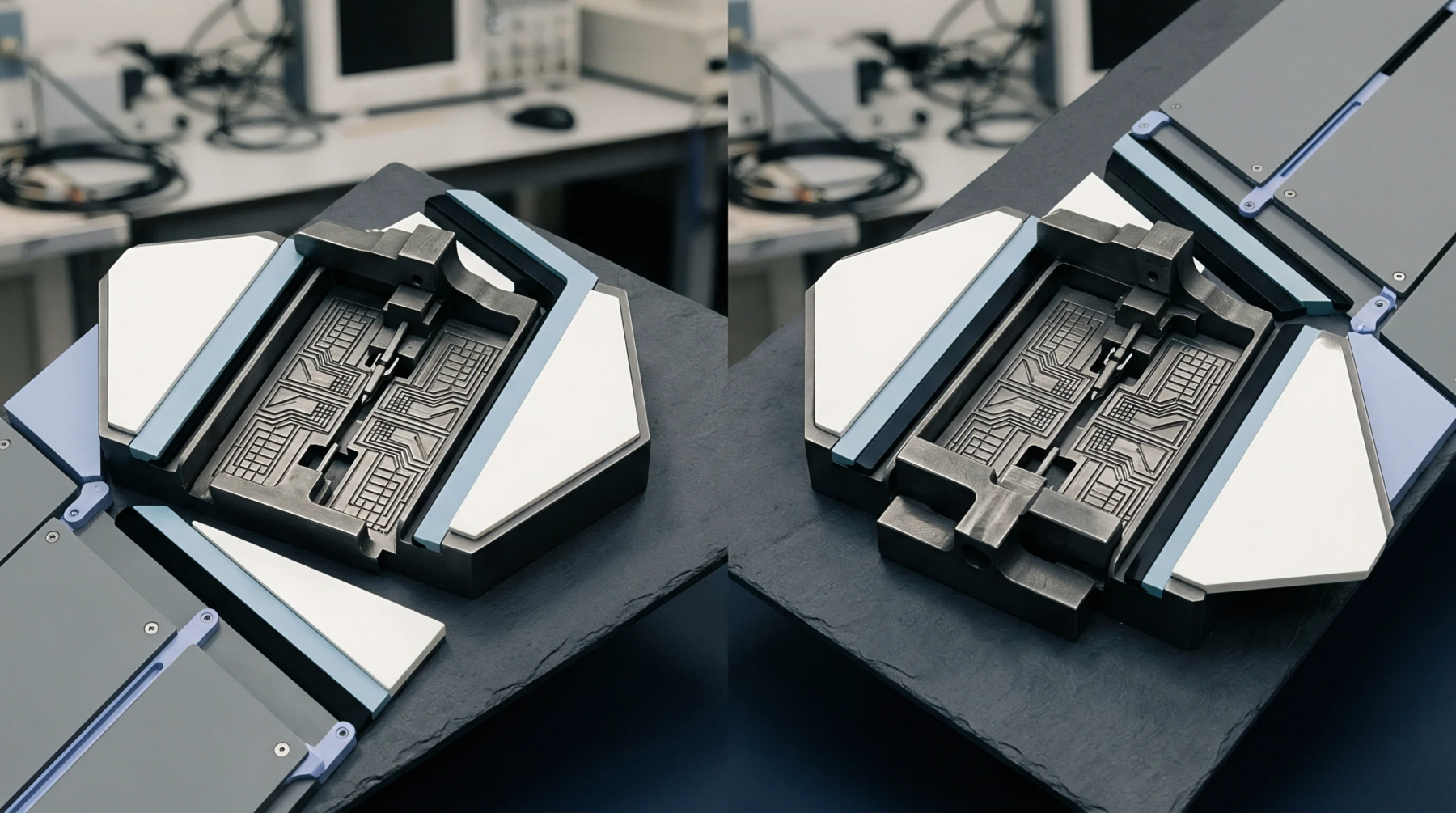
Designing automated contact interface boards for high-volume semiconductor testing requires balancing pin wiping mechanics, high-frequency signal integrity, and mechanical stiffener design to prevent substrate deflection under multi-hundred-kilogram contactor loads.
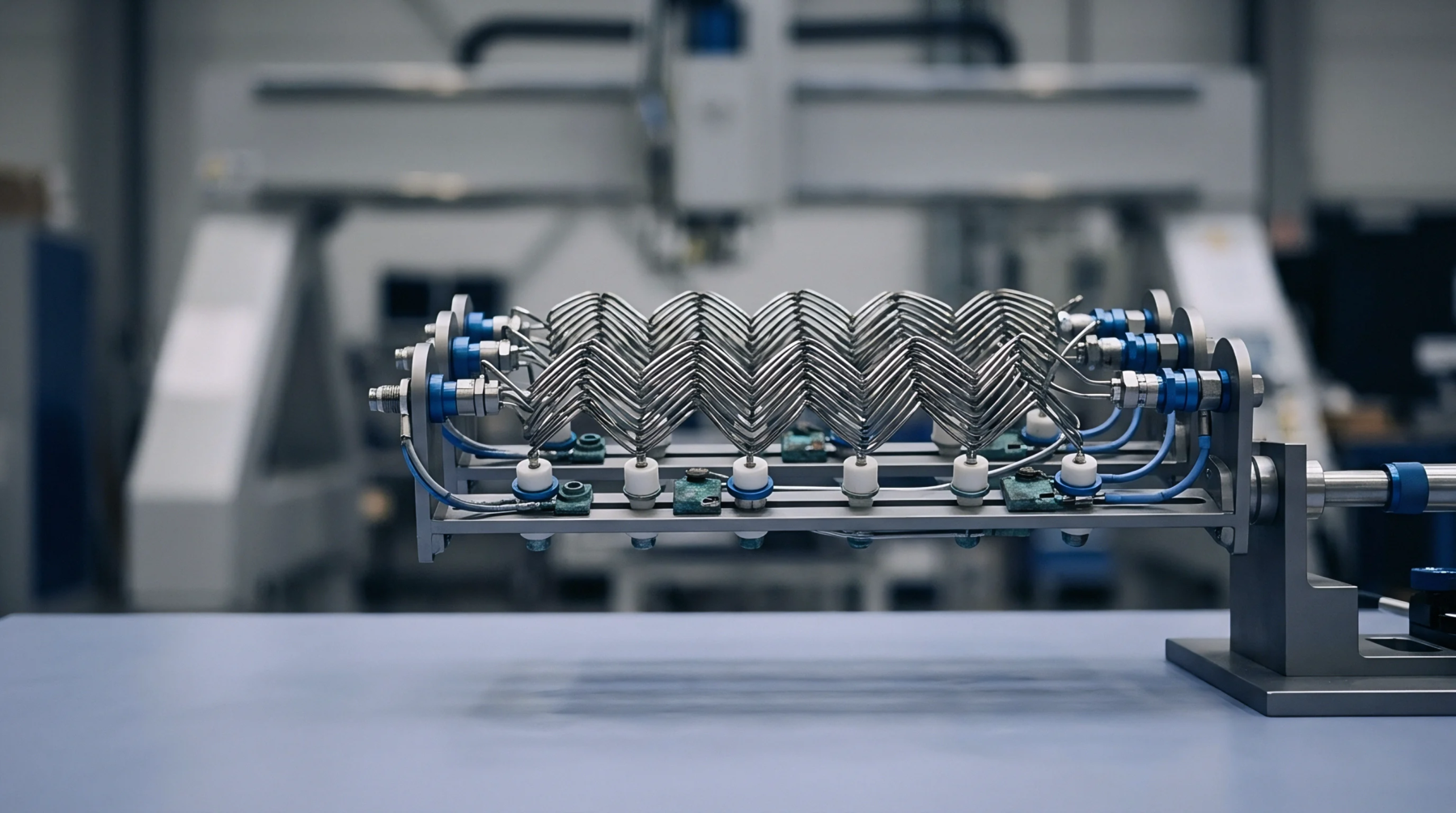
Escrow strategies for custom modules require verified native EDA files, clear IP boundaries, and explicit release covenants to mitigate supply lock-in.

Gerber netlist verification requires 100% IPC-D-356 parity against graphical artwork and signed EQ closure before NRE tooling disbursements unlock.

Turnkey wireless module source handovers demand native CAD databases, compiled BSP source trees, test fixture scripts, and explicit IP assignment clauses.

Standardized machine-readable microcode errata manifests enable automated continuous static analysis tools to block hardware execution flaws during codebase transfers.
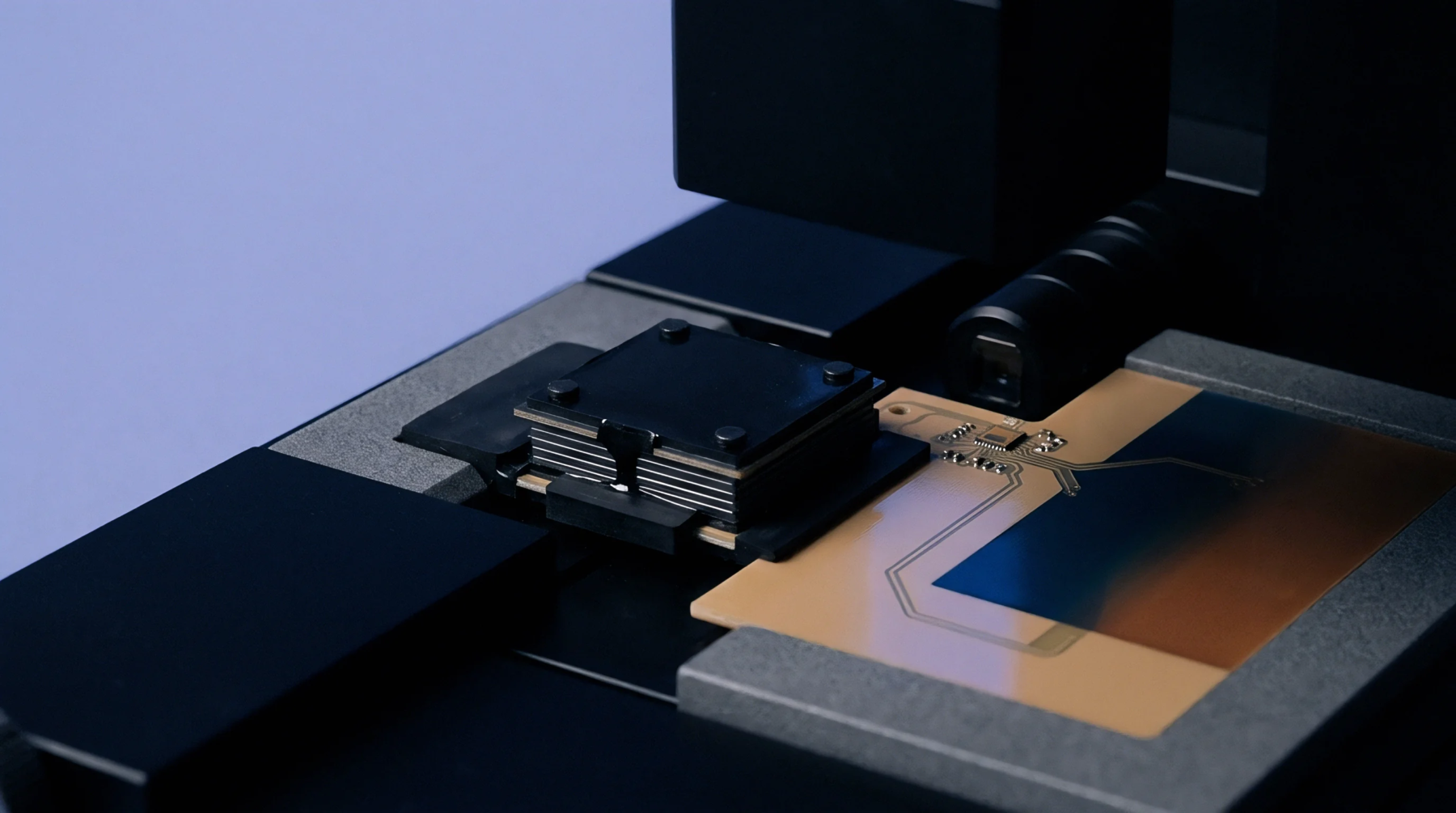
Dynamic acoustic-optical dispersion architectures enable real-time multi-tracker atmospheric compensation via microsecond index synthesis and FPGA control.

Automated hardware test rigs isolate silicon peripherals from host runners to validate driver stability across multi-year operating system kernel updates.

Managing errata workarounds in transferred firmware requires isolating stepping-specific register fixes to prevent fatal regressions across new silicon wafer lots.

Resolving substrate dielectric drift and IP custody requires strict coupon impedance verification combined with neutral escrow of native CAD files.

Managing modular compliance requires maintaining strict reference trace layouts, securing firmware power tables, and contracting vendor liability for permissive changes.

Evaluating embedded transceiver matching and layout requires conjugate source matching, coplanar ground stitching, and in-housing impedance tuning.
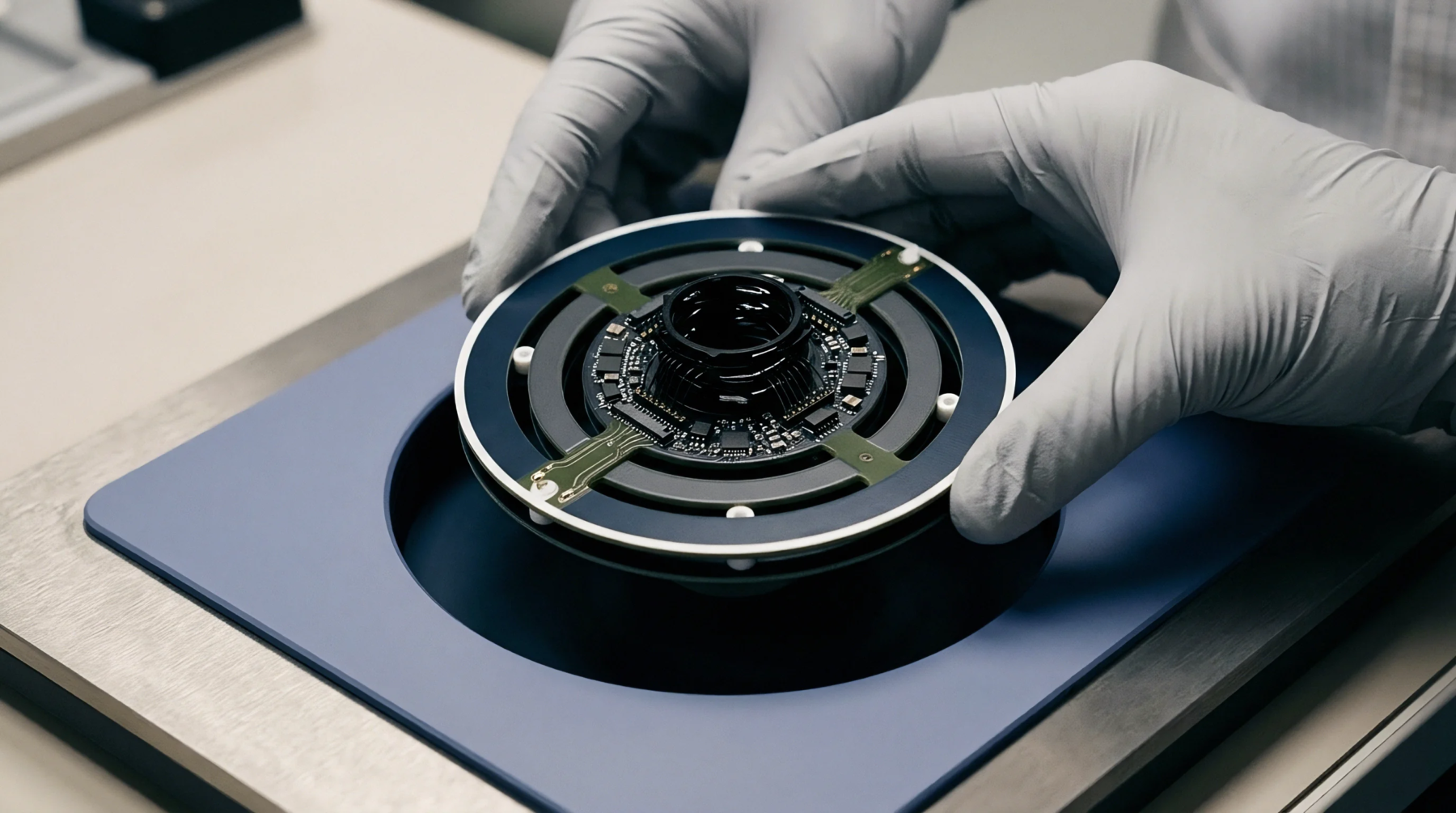
Dynamic firmware abstraction protocols and standardized test jigs eliminate operational failures caused by asynchronous silicon errata across alternate factories.

Yield-adjusted reallocation re-routes components based on real-time defect rates, matching component bin tolerances directly to assembly line density requirements.

Maintain a 70/30 production split with strict monthly minimum volume floors to preserve secondary line yields and protect against idle overhead surcharges.
Expertise is a utility, not a secret. sentiention™ publishes its working knowledge as open reference: intelligence layer covering the materials it sources, the markets it enters, and the reference that serves both.