Meaning
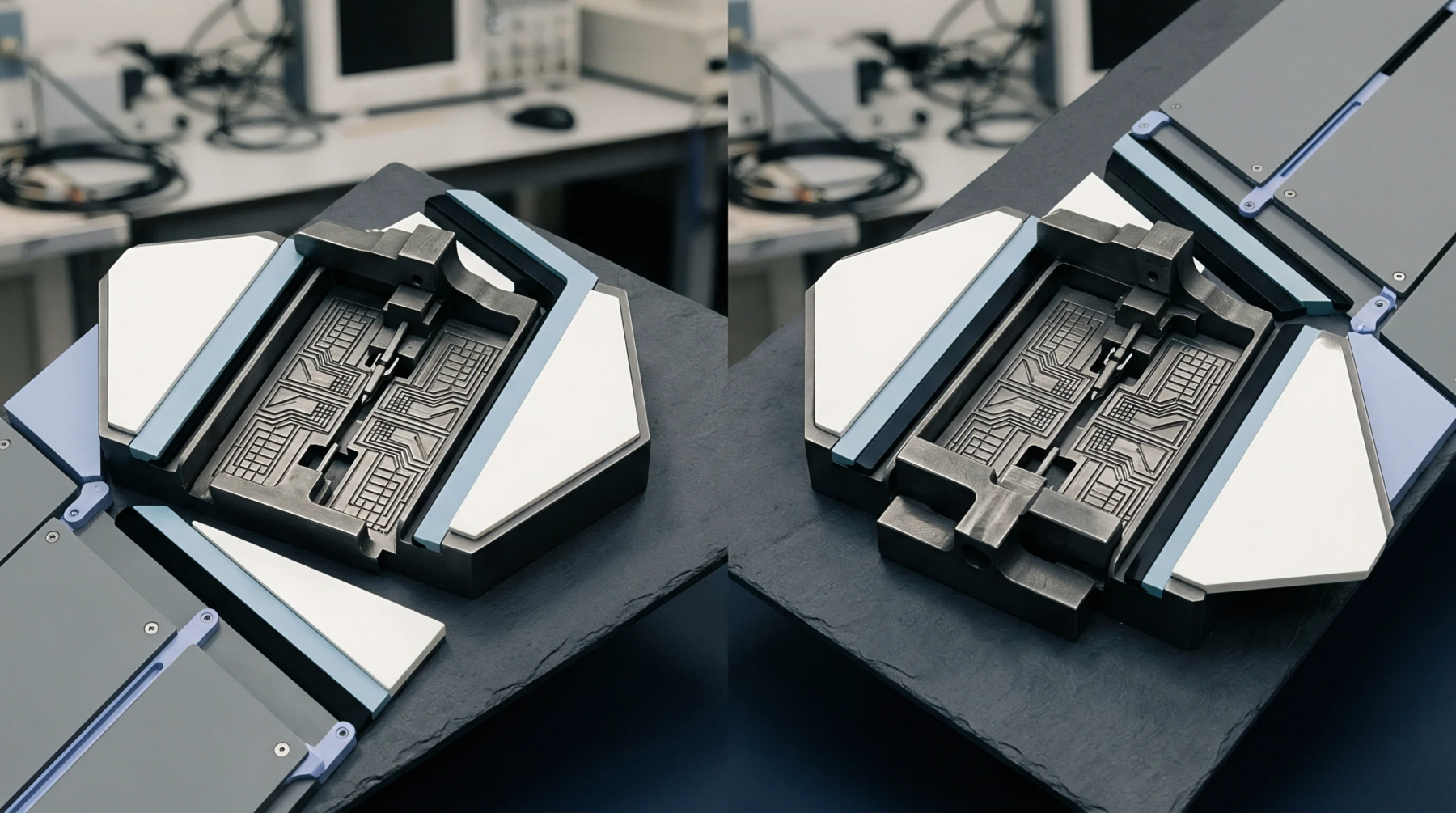
Physical variation in the dimensions of a solid object occurs when the internal kinetic energy of its atomic structure increases during heating. Thermal expansion describes this phenomenon where materials occupy more volume as their temperature rises due to the heightened vibration of constituent particles. The effect forces components to change shape or size, a shift that dictates the structural integrity of assemblies when different materials reside within a single enclosure.
Material Geometry
Metallic structures undergo predictable dimensional changes based on their specific coefficient of linear change. Engineers calculate the resulting displacement by multiplying the original length, the temperature differential, and the material constant. This calculation prevents mechanical binding or structural fracture in high density modules.
Precise allowance for this growth ensures that gaskets maintain pressure and fasteners retain torque across fluctuating environmental states.
Integration Constraint
System designers address the spatial consequence of rising temperatures by incorporating expansion gaps or flexible interface gaskets between rigid components. Printed circuit boards require careful alignment with housing materials to avoid solder joint fatigue or warping during operation. Mismatched rates of growth across bonded surfaces create shear stress that weakens permanent adhesives or mounting interfaces.
Proper gap management prevents catastrophic failure in precision instruments where even minor dimensional shifts alter signal transmission paths.
Failure Potential
Excessive internal force generated by confined movement often results in buckling, cracking, or the permanent deformation of rigid housings. Hardware suppliers establish maximum operational temperature thresholds to keep the physical shift within the tolerance zone of the specific mechanical design. Cooling systems mitigate this risk by dumping heat into external heat sinks or forcing air through the chassis to stabilize the physical state of the internal electronics.
Rapid temperature cycles place heavier stress on mounting points than a steady state condition. Mechanical failure due to thermal expansion remains a primary cause of non-functioning connectivity modules in outdoor field deployments.