Meaning
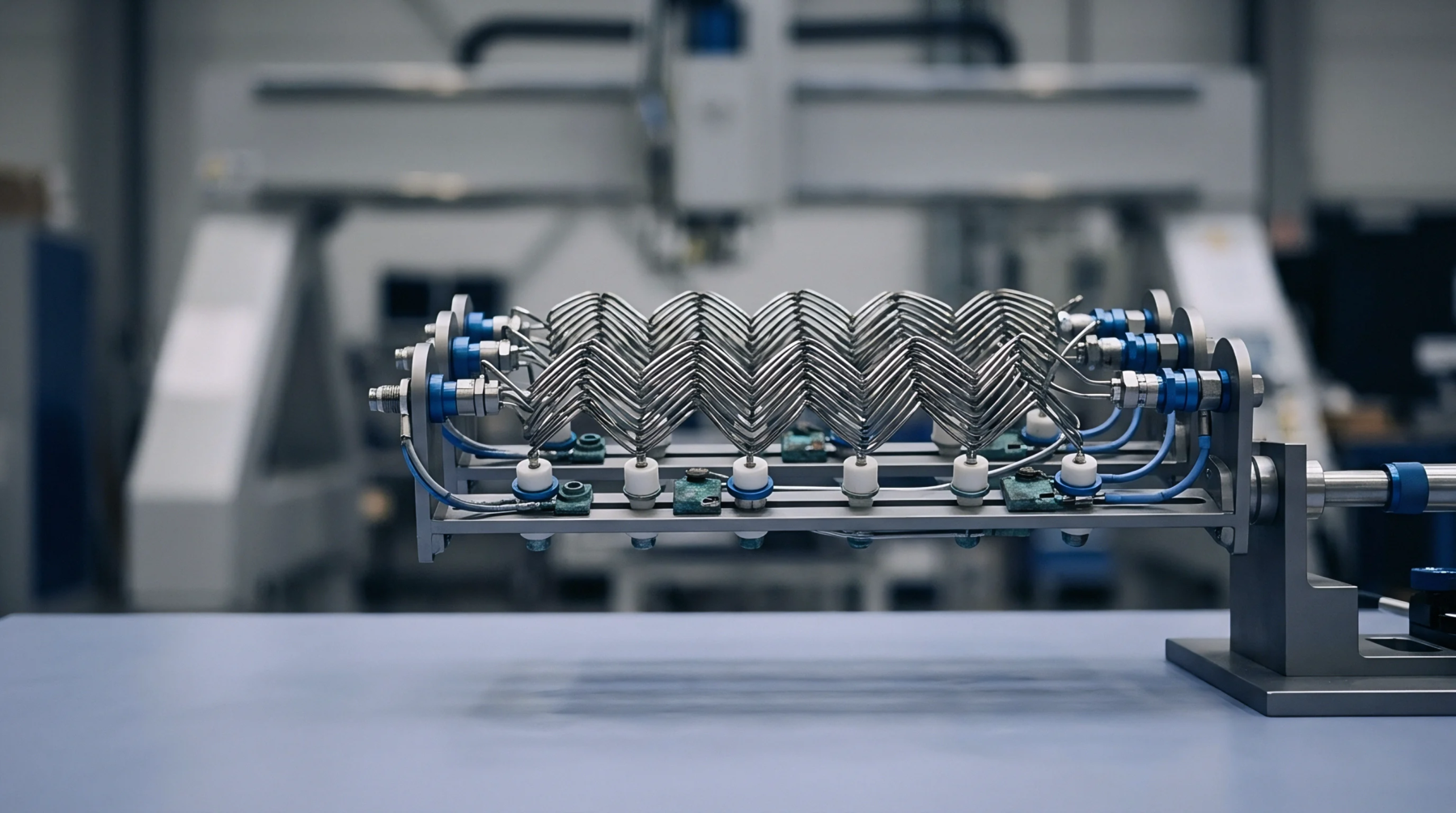
Hardware verification platforms establish mechanical and electrical connections to populated printed circuit boards during factory acceptance procedures. Automated test jigs employ pneumatic or manual clamping to compress spring-loaded pogo pins against test points on a device under evaluation. This electrical contact enables functional and parametric validation without manual probing.
Physical Interface
Precision alignment holes receive guiding pins to secure the position of the board under test before the assembly closes. In automated test jigs, the structural frame uses milled acrylic or polycarbonate to hold the spring-loaded pins in coordinates matching the board layout. This physical configuration prevents mechanical damage from misplaced contact forces.
The frame distributes the pressure evenly across the surface of the substrate, minimizing the deflection of the printed circuit board during clamping to prevent stress fractures in multi-layer boards.
Operational Throughput
Production environments rely on rapid cycle times to maintain target output rates. Integrated test actuators run preprogrammed routines that apply voltages and capture responses in seconds. This speed ensures every manufactured unit undergoes complete screening before packaging.
The controller logs results directly to the quality database.
Verification Method
Calibration protocols require regular checks against reference boards to maintain test integrity. Verification of automated test jigs involves measuring the insulation resistance between test pins to prevent leakage currents. This maintenance step confirms that any signal loss originates from the unit under test rather than the fixture itself.