Calculating Link Margins for Sub Gigahertz Unlicensed Low Power Radios
Sub-GHz link margin calculations require combining receiver sensitivity, regulatory power limits, log-distance path loss, and enclosure detuning losses.
Sub-GHz link margin calculations require combining receiver sensitivity, regulatory power limits, log-distance path loss, and enclosure detuning losses.
Scaling sub-GHz preamble lengths to offset crystal temperature drift preserves receiver sensitivity while reducing wake-on-radio battery drain.
Predictive thermal clock estimation bounds sub-GHz radio drift to under 4 ppm, shrinking RX listen windows by 90 percent and extending battery life to ten years.
Oscillator drift forces wider receiver listen windows in low duty cycle radios, multiplying active energy consumption and degrading battery lifespan.
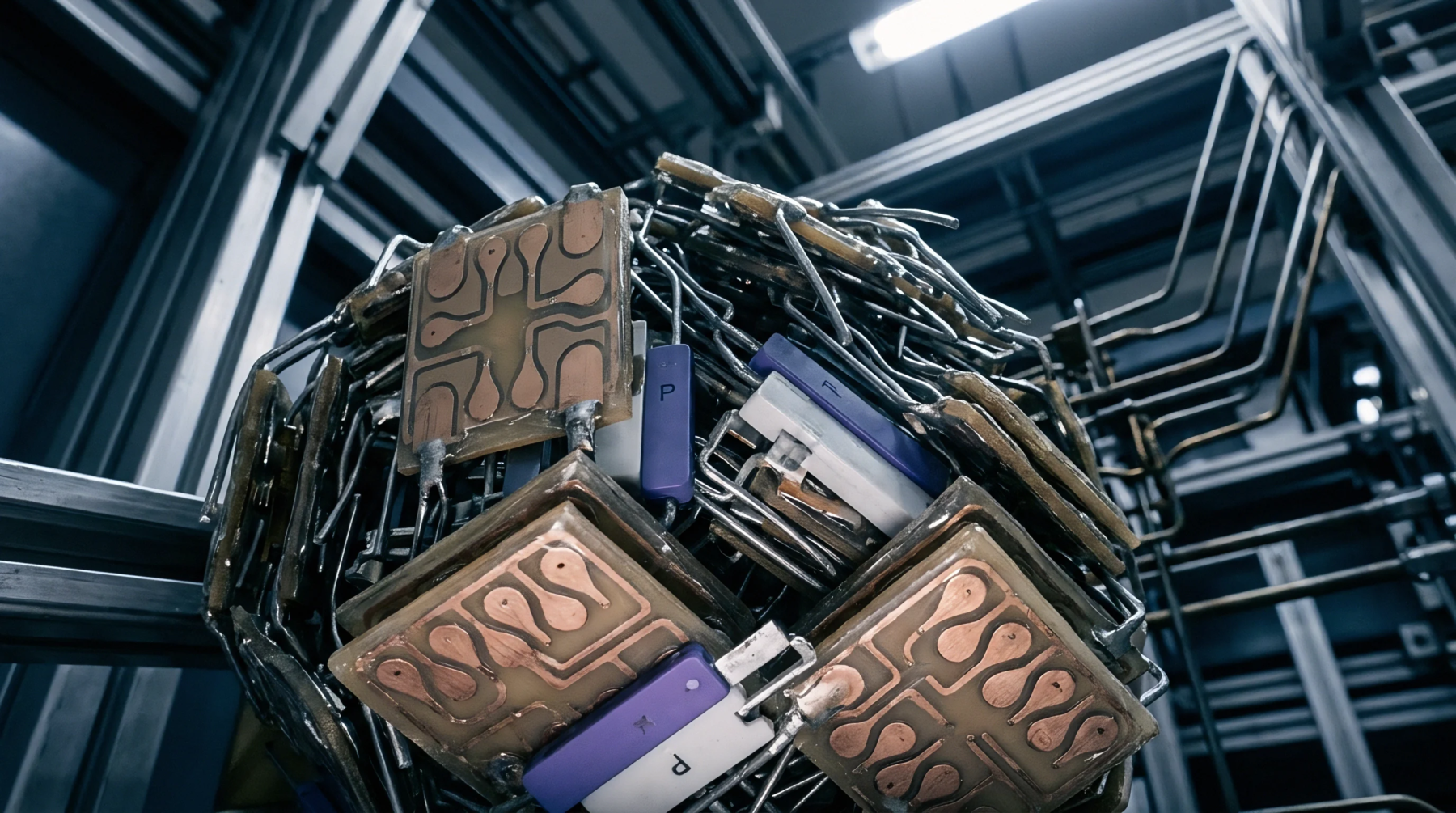
Atomic layer oxide passivation on sub-GHz transceiver crystals eliminates low-drive resistance spikes, preventing oscillator startup stalls and link margin loss.

Thermal compensation curve failure stems from quartz aging, solder strain, and thermal gradient tracking lag, widening LPWAN receive windows and draining batteries.
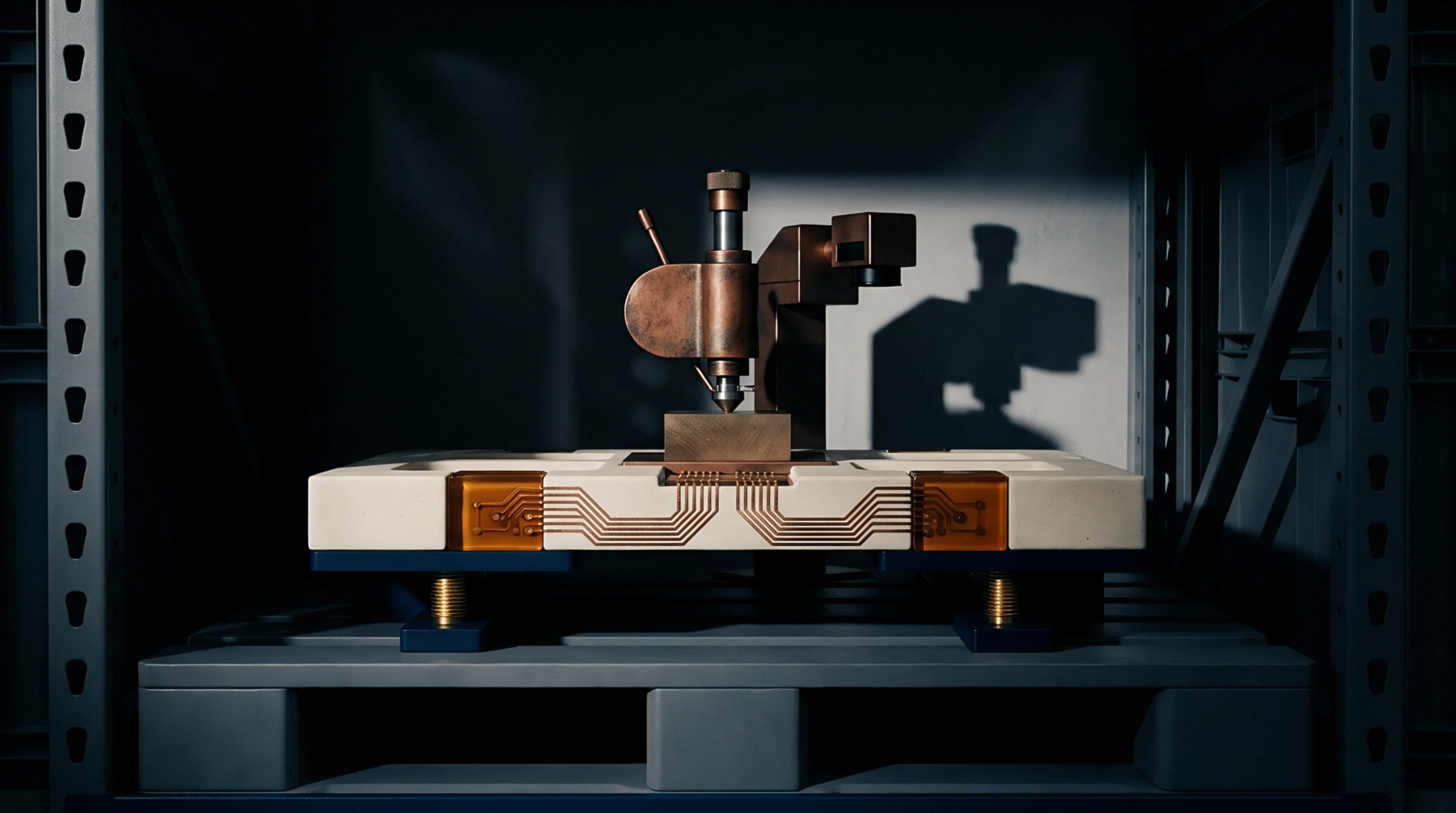
Sub-GHz PA power bursts generate micro-Kelvin crystal thermal gradients that shift carrier frequency, demanding thermal isolation and tight TCXO specification.
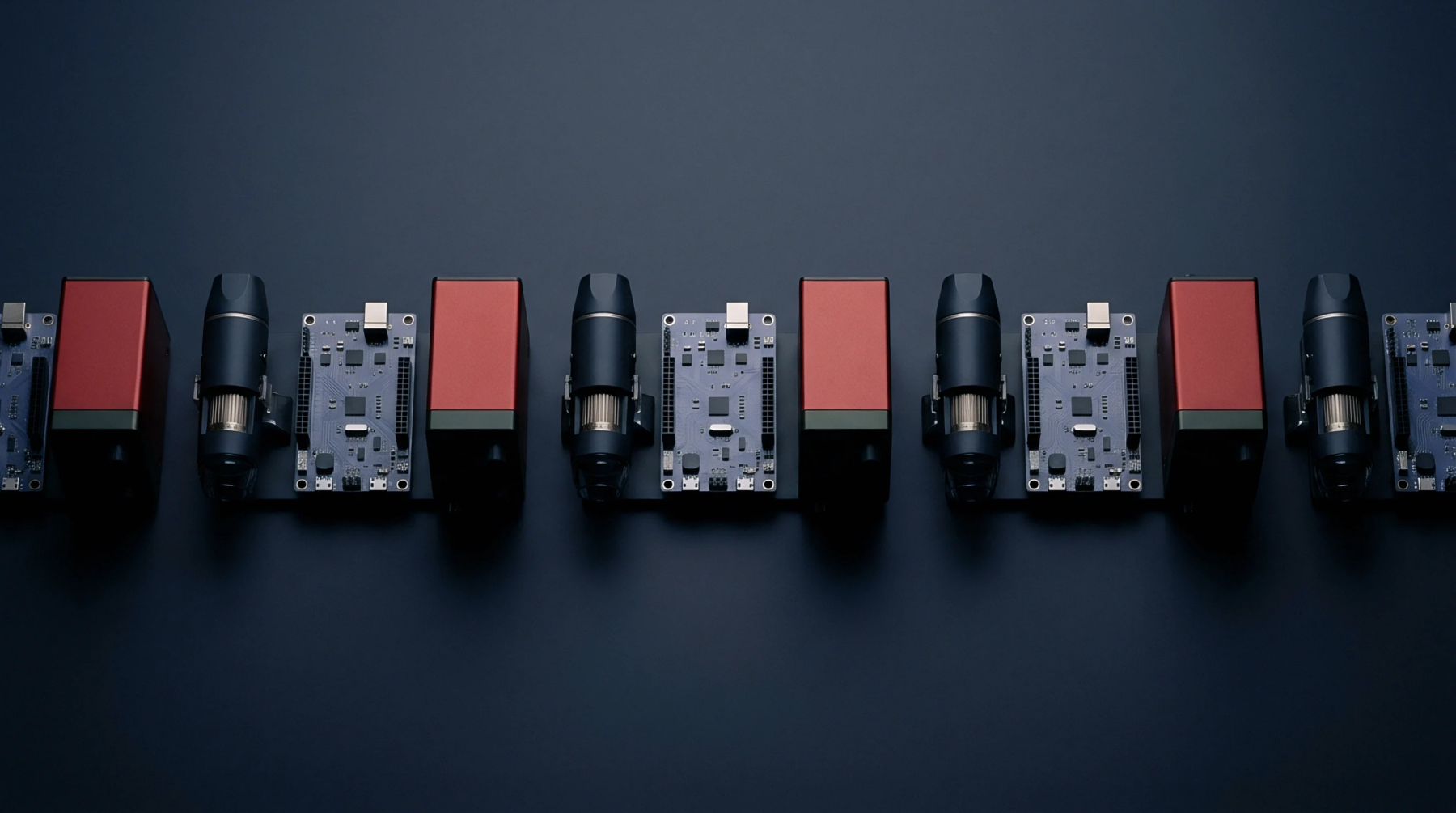
Receiver preamble guard windows must equal twice absolute drift uncertainty plus preamble length minus baseband correlation time to maintain link budget.
Expertise is a utility, not a secret. sentiention™ publishes its working knowledge as open reference: intelligence layer covering the materials it sources, the markets it enters, and the reference that serves both.