Meaning
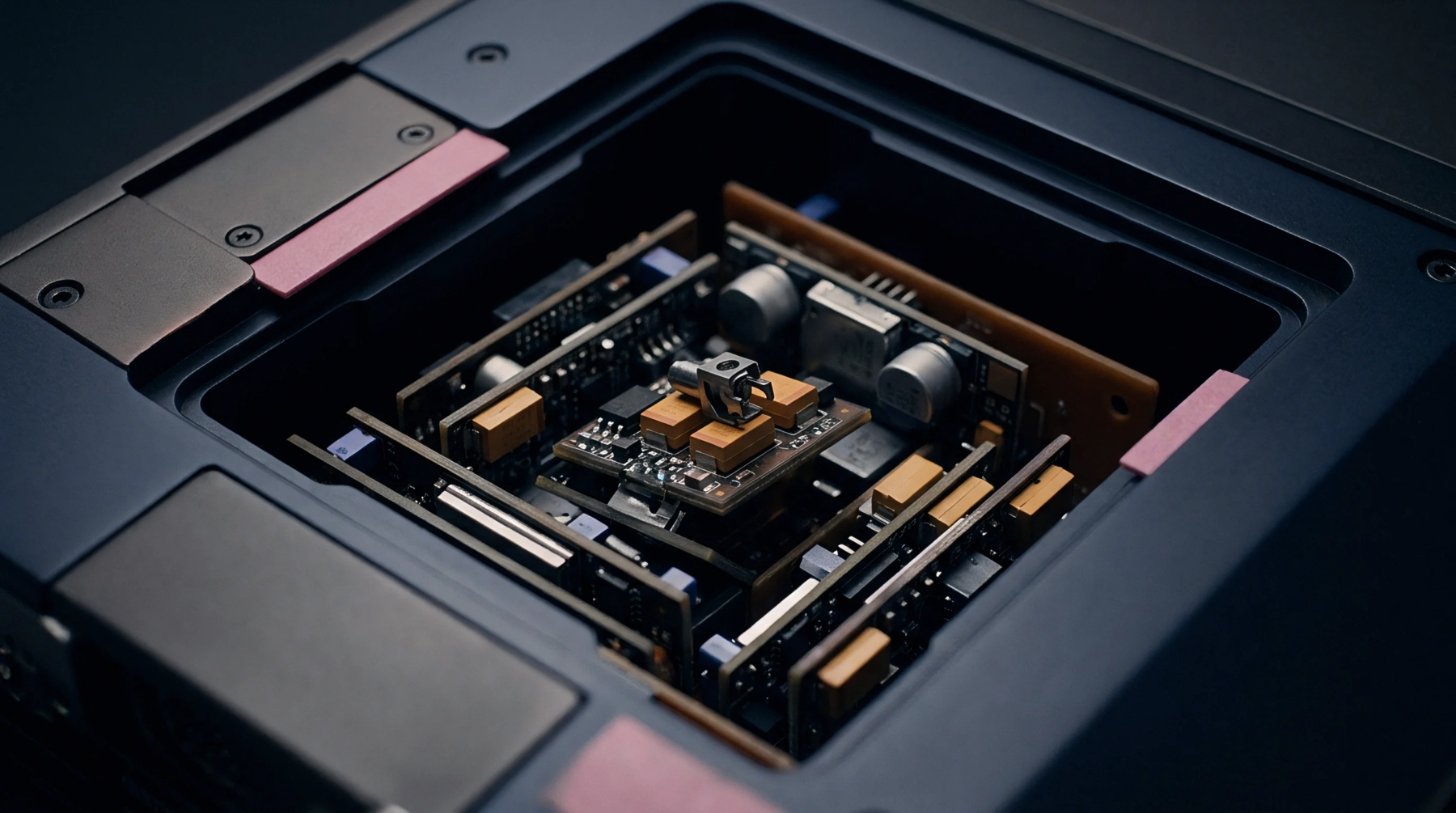
Technical documentation lists every discrete part and sub-assembly required to build a finished electronic product. The component bill of materials identifies part numbers, manufacturer names, component values and quantities for each item on a circuit board or inside an enclosure. This record creates a link between the engineering design and the procurement system.
It defines the exact physical makeup of the hardware at a specific revision level.
Hardware Specification
Engineering teams define the electrical requirements for each entry. The component bill of materials contains values for resistors, capacitors and integrated circuits alongside their tolerance ratings. It ensures that the procurement team buys parts that meet the thermal and voltage needs of the system.
Sourcing Control
Approved vendor lists limit where a factory can buy the hardware. Within the component bill of materials, each line item often points to a specific manufacturer to prevent the use of substandard substitutes. This control keeps the product quality consistent across different production lots.
When a supplier discontinues a part, the document must be updated to include an alternative that fits the original footprint and electrical profile.
Production Continuity
Manufacturing execution systems use the list to track inventory levels during assembly. A complete component bill of materials allows the factory to predict when a shortage might stop the line. It acts as the master reference for the kitting process where parts are gathered for the surface mount machines.
Without this data, the assembly of complex smart devices becomes impossible to coordinate.