Control Plane versus User Plane Transport Efficiency in Narrowband Deployments
Control Plane transport minimizes power for tiny payloads under 200 bytes, while User Plane transport provides superior efficiency for larger data transactions.
Control Plane transport minimizes power for tiny payloads under 200 bytes, while User Plane transport provides superior efficiency for larger data transactions.
Pulsed sub-GHz radio transmissions drive LiSOCl2 passivation and cell voltage delay, causing premature meter shutdown before rated battery capacity is consumed.

Sub-GHz real-time clock drift stems from tuning fork parabolic frequency shifts, forcing widened radio receive guard windows that drain battery reserves.
Milled PCB trenches and necked thermal traces isolate sub-microamp sleep crystals from radio amplifier heat to prevent frequency drift and window dilation.
Phase tracked guard windows shrink receiver active listen time to tens of microseconds, cutting wakeup energy by eighty percent.
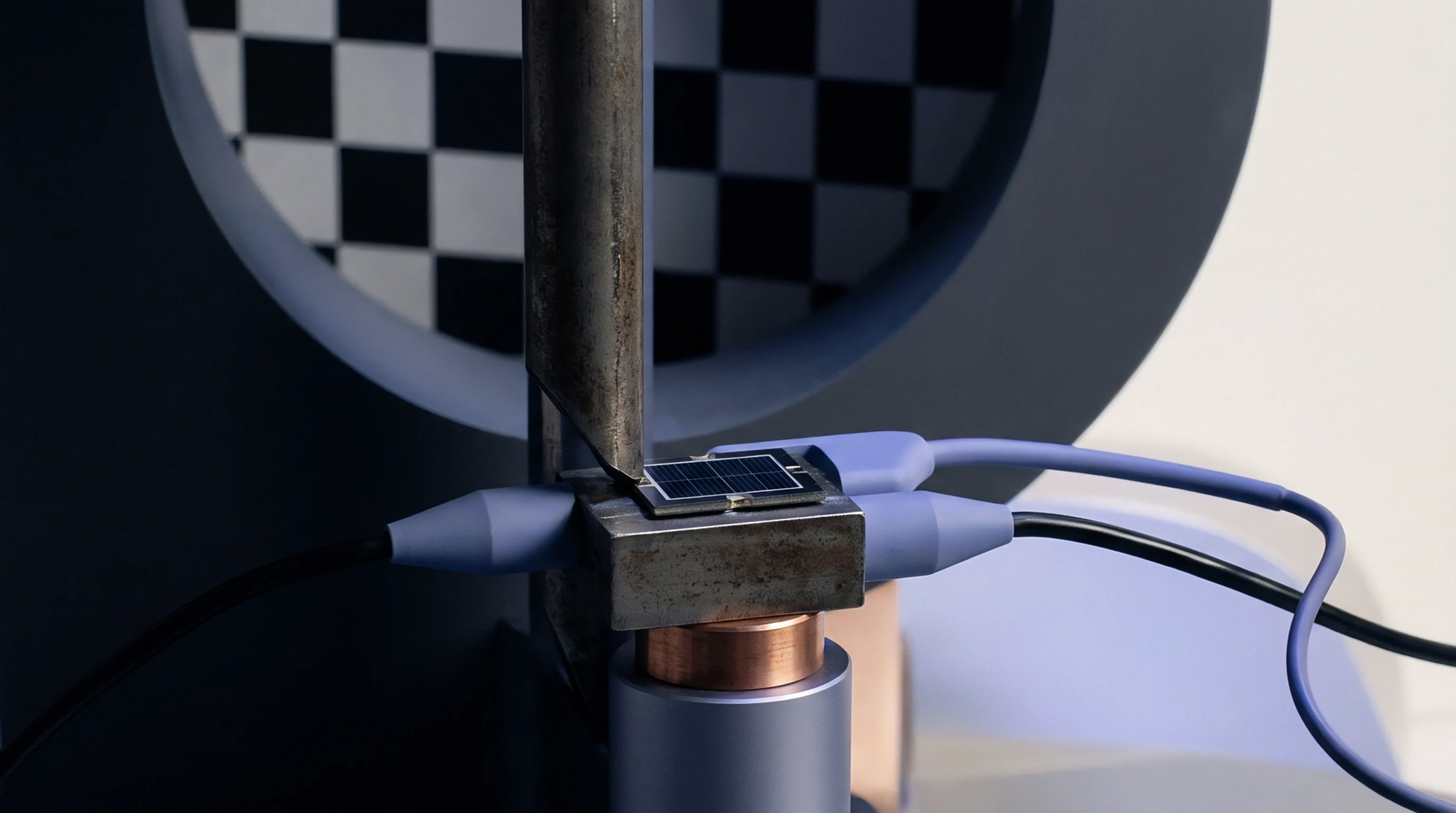
Sizing receiver guardbands to worst-case crystal thermal drift prevents slot collisions and preserves battery endurance in dense sub-gigahertz networks.

Eliminating external crystals reduces hardware costs but expands receiver guard windows, requiring tight thermal calibration loops to protect battery life.
Parametric contract clauses allocate unannounced silicon revision risks by linking physical RF and current draw deltas directly to invoice price reductions.
Sub-GHz protocols penetrate structural walls with 10 to 20 dB less attenuation than 2.4 GHz radios, securing long-range low-power indoor links.
Verify crystal-less sleep synchronization by combining dynamic polynomial thermal compensation with scaled receiver guard windows to maintain sliding time buckets safely.
Expertise is a utility, not a secret. sentiention™ publishes its working knowledge as open reference: intelligence layer covering the materials it sources, the markets it enters, and the reference that serves both.