
Turnkey Wireless Module Source Schematic Inspection and CAD File Handovers
Turnkey wireless module source handovers demand native CAD databases, compiled BSP source trees, test fixture scripts, and explicit IP assignment clauses.
Turnkey wireless module source handovers demand native CAD databases, compiled BSP source trees, test fixture scripts, and explicit IP assignment clauses.

Secondary sourcing succeeds when firmware build containerization, bit-for-bit escrow verification, and explicit mold shot-life accounting precede tool transfer.

Semicustom wireless module break-even hinges on offsetting upfront NRE and regulatory fees against unit BOM savings across yield-adjusted volume thresholds.

Selecting industrial Wi-Fi modules demands matching transmit power, receiver sensitivity, and hardware coexistence mechanisms to plant RF noise floor profiles.

Commercial recovery for post-production hardware rework in multi-source supply chains hinges on contractual root-cause attribution and automated debit offsets.

Dynamic sensor phase alignment drift stems from combined optical path flexure and clock latency during high-speed trajectories, demanding hardware-level synchronization.

Regulatory approval delays in Southeast Asian telecom markets erode margins through inventory holding costs, local re-testing, demurrage, and market obsolescence.
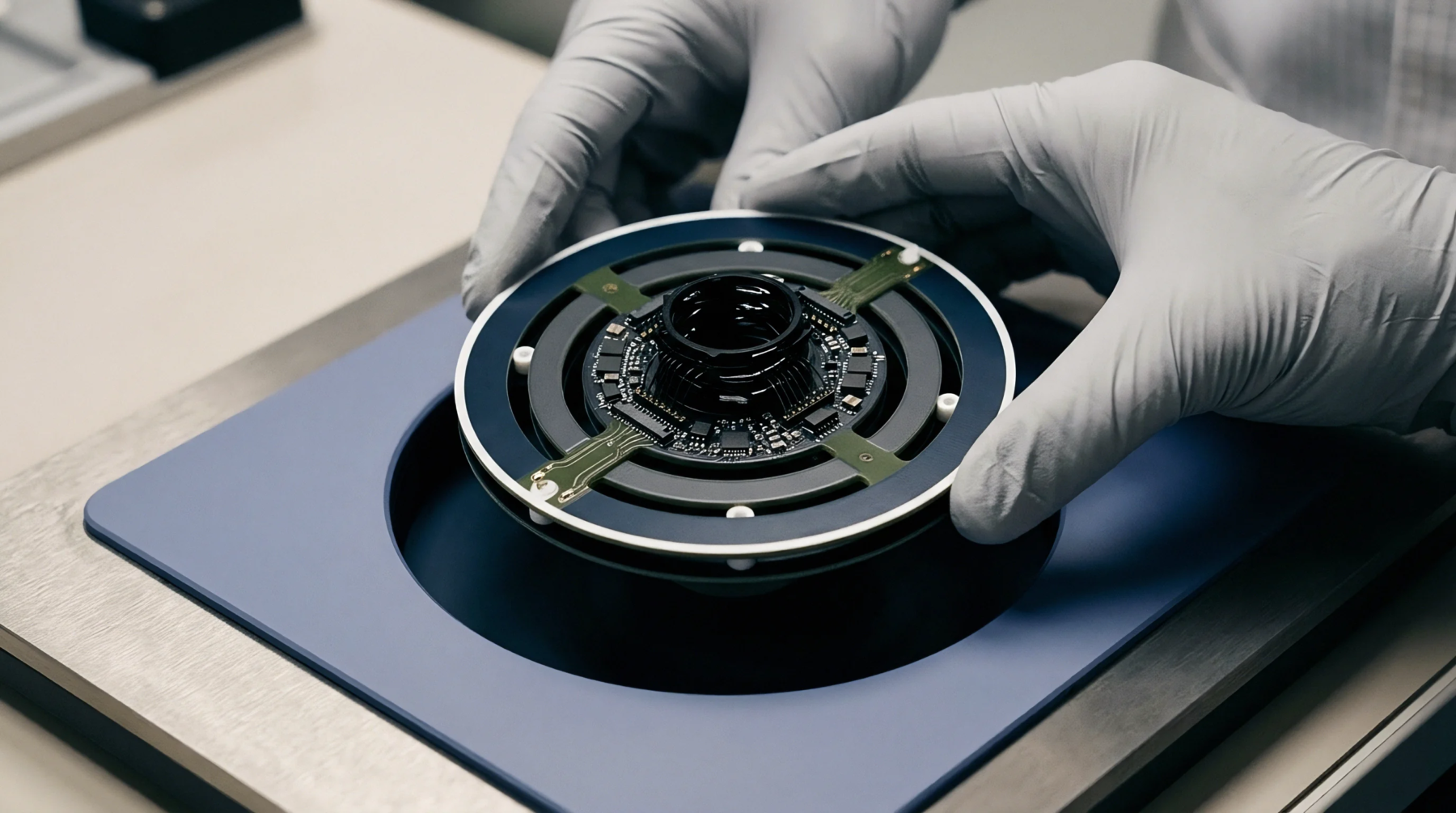
White-label products sold by competitors share baseline hardware, exposing both brands to identical silicon errata, component supply shocks, and vendor lock-in.

Standardizing RF front-end pad layouts allows single-PCB hardware deployments across distinct regional sub-GHz band plans without board respins.
Module IP management requires defining baseline assets, acquiring raw CAD and containerized build packages, and securing clear derivative assignment.
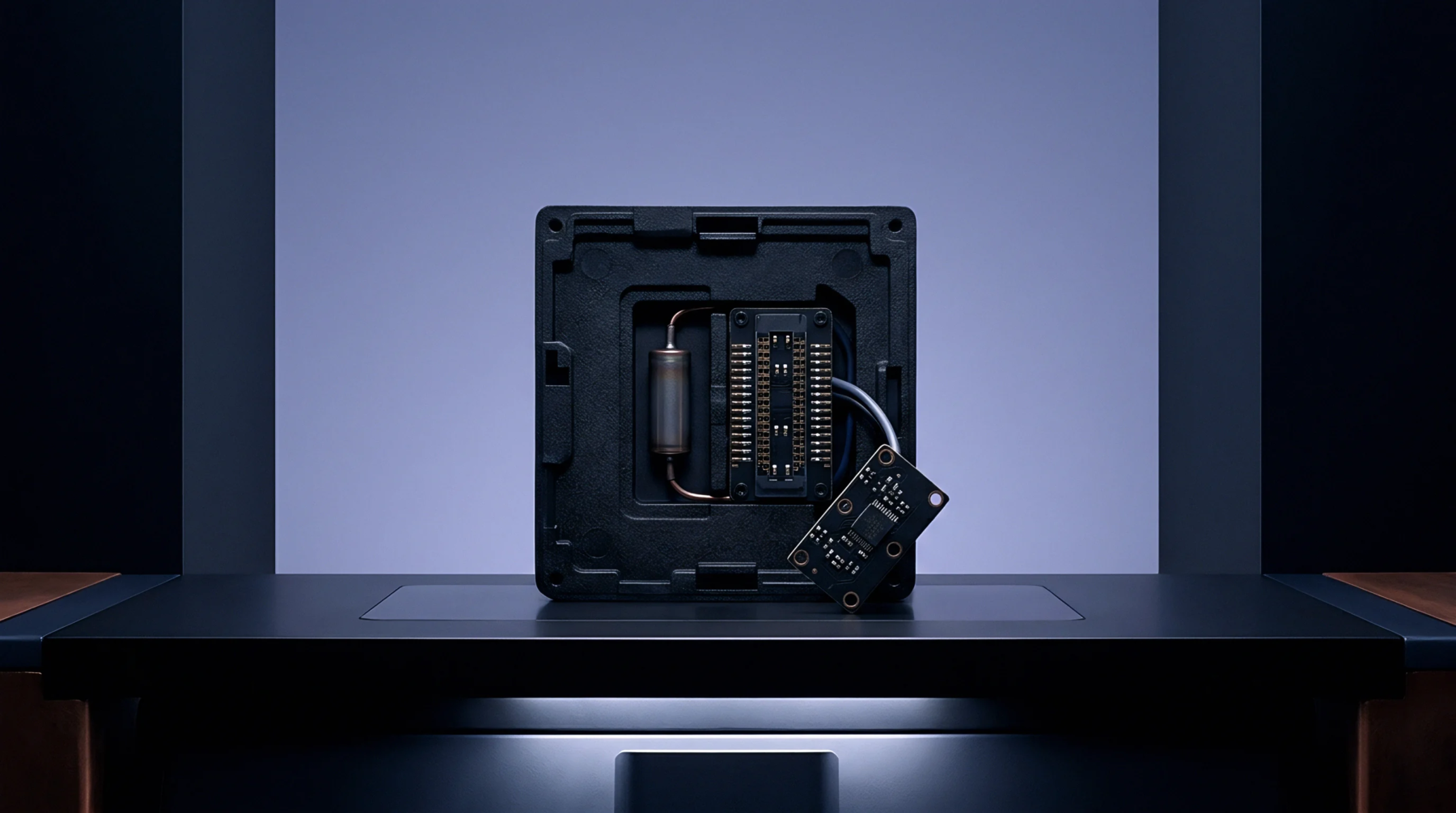
Maintaining transferred firmware repositories requires containerized build environments, physical testing rigs, and explicit SLAs to allocate silicon errata costs.

Electronic labeling harmonizes global hardware SKUs but mandates strict 3-click offline menu access and mandatory physical outer packaging fallback labels to pass border inspections.
Verify crystal-less sleep synchronization by combining dynamic polynomial thermal compensation with scaled receiver guard windows to maintain sliding time buckets safely.

Second-sourcing a semi-custom module two years post-launch demands complete native CAD source files, uncompiled firmware, and validated factory test jigs.

Wi-Fi throughput collapses in dense deployments when preamble misses and conservative energy detection thresholds trigger retry storms and modulation rate decay.
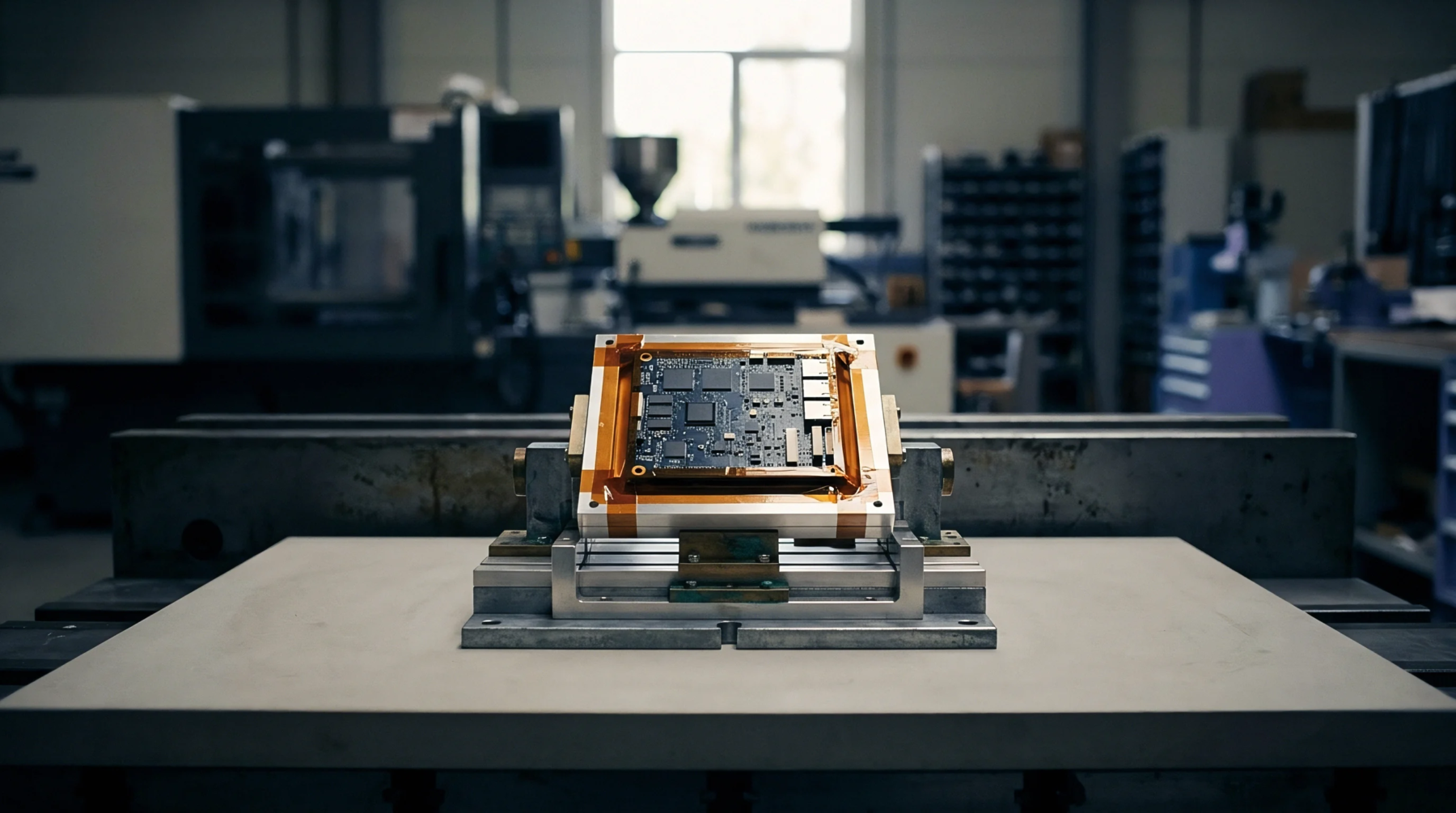
Engineering transfer demands native CAD files, containerized firmware source trees, buyer-owned tooling, and explicit IP assignment clauses before NRE sign-off.
Expertise is a utility, not a secret. sentiention™ publishes its working knowledge as open reference: intelligence layer covering the materials it sources, the markets it enters, and the reference that serves both.