Meaning
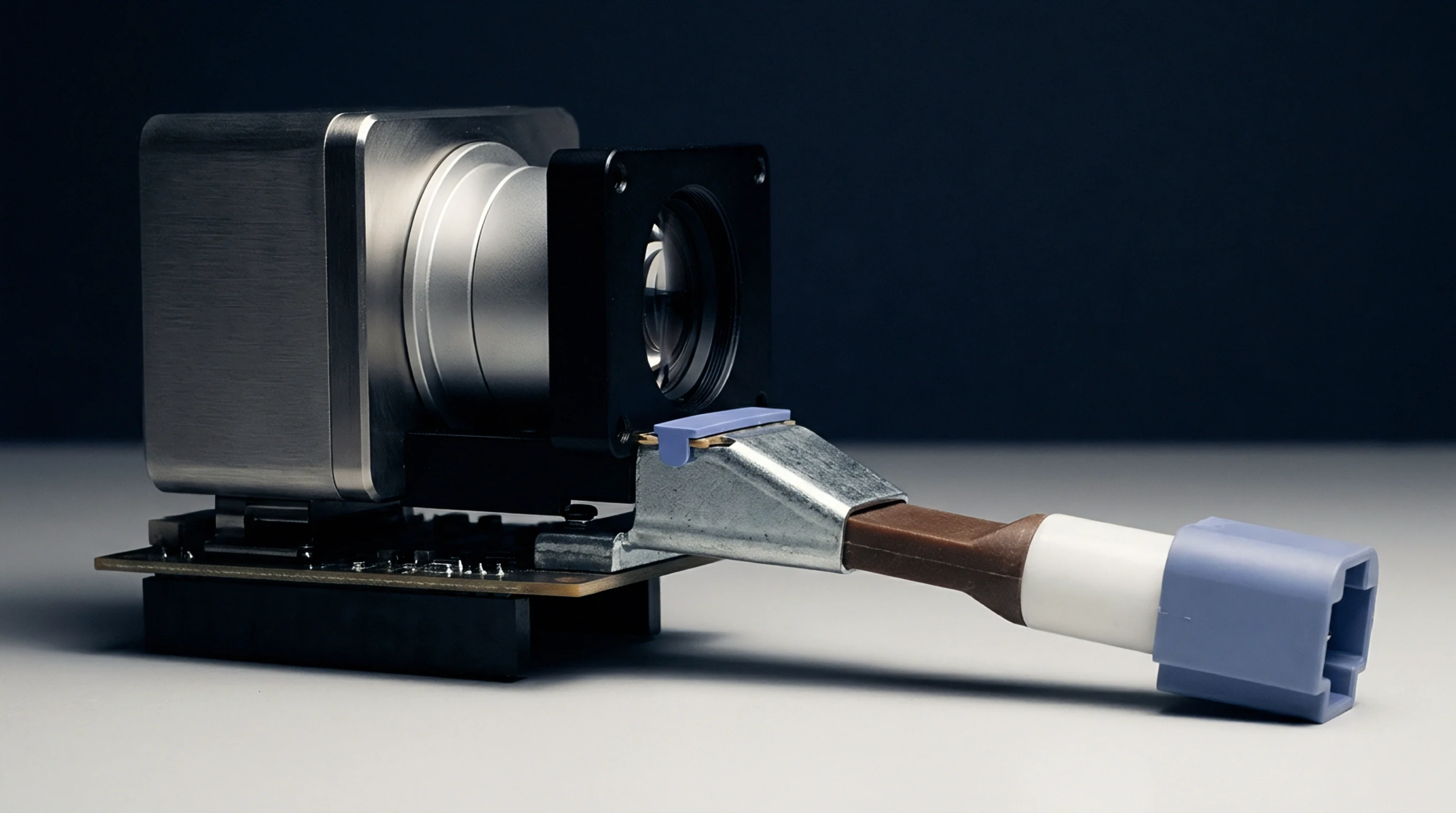
Mechanical components absorb and isolate oscillating forces to protect sensitive electronic assemblies and connectors from mechanical fatigue. The installation of vibration damping fixtures prevents the transmission of high-frequency disturbances from the external environment to the internal circuit board. This protection is necessary to maintain the integrity of solder joints and secure electrical connections.
Structural Isolation
The assembly utilizes elastomeric materials or metal springs to dissipate kinetic energy through internal friction. Vibration damping fixtures are positioned between the product enclosure and the mounting bracket to decouple the sensitive electronics from the surrounding structure. The selection of materials depends on the expected frequency range and thermal conditions of the deployment environment.
This configuration reduces the mechanical stress experienced by high-density connectors.
Hardware Longevity
Electronic devices installed in industrial or automotive environments face continuous acceleration forces that can cause physical failure. By utilizing these fixtures, the hardware avoids the micro-cracks in multi-layer boards that lead to intermittent connection failures. The damping mechanism secures the RF connectors and antennas, maintaining stable wireless performance over the operational life of the device.
This protective layer ensures the durability of the final assembly.
Environmental Qualification
The validation of the mechanical design requires subjecting the complete product to swept-sine and random vibration profiles on a shaker table. During these test sequences, sensor measurements verify that the vibration damping fixtures reduce the acceleration levels at the circuit board to within specified tolerances. Engineers run the test across different temperature extremes to ensure the elastomeric components do not harden or degrade.
The resulting compliance report is a prerequisite for industrial deployment certification.