
Turnkey Wireless Module Source Schematic Inspection and CAD File Handovers
Turnkey wireless module source handovers demand native CAD databases, compiled BSP source trees, test fixture scripts, and explicit IP assignment clauses.
Turnkey wireless module source handovers demand native CAD databases, compiled BSP source trees, test fixture scripts, and explicit IP assignment clauses.

Standardized machine-readable microcode errata manifests enable automated continuous static analysis tools to block hardware execution flaws during codebase transfers.

Dynamic reserve models weight empirical lab failure rates and schedule downtime penalties across target export regimes to price true host radio approval risk.

Automated hardware test rigs isolate silicon peripherals from host runners to validate driver stability across multi-year operating system kernel updates.

Managing errata workarounds in transferred firmware requires isolating stepping-specific register fixes to prevent fatal regressions across new silicon wafer lots.

Resolving substrate dielectric drift and IP custody requires strict coupon impedance verification combined with neutral escrow of native CAD files.
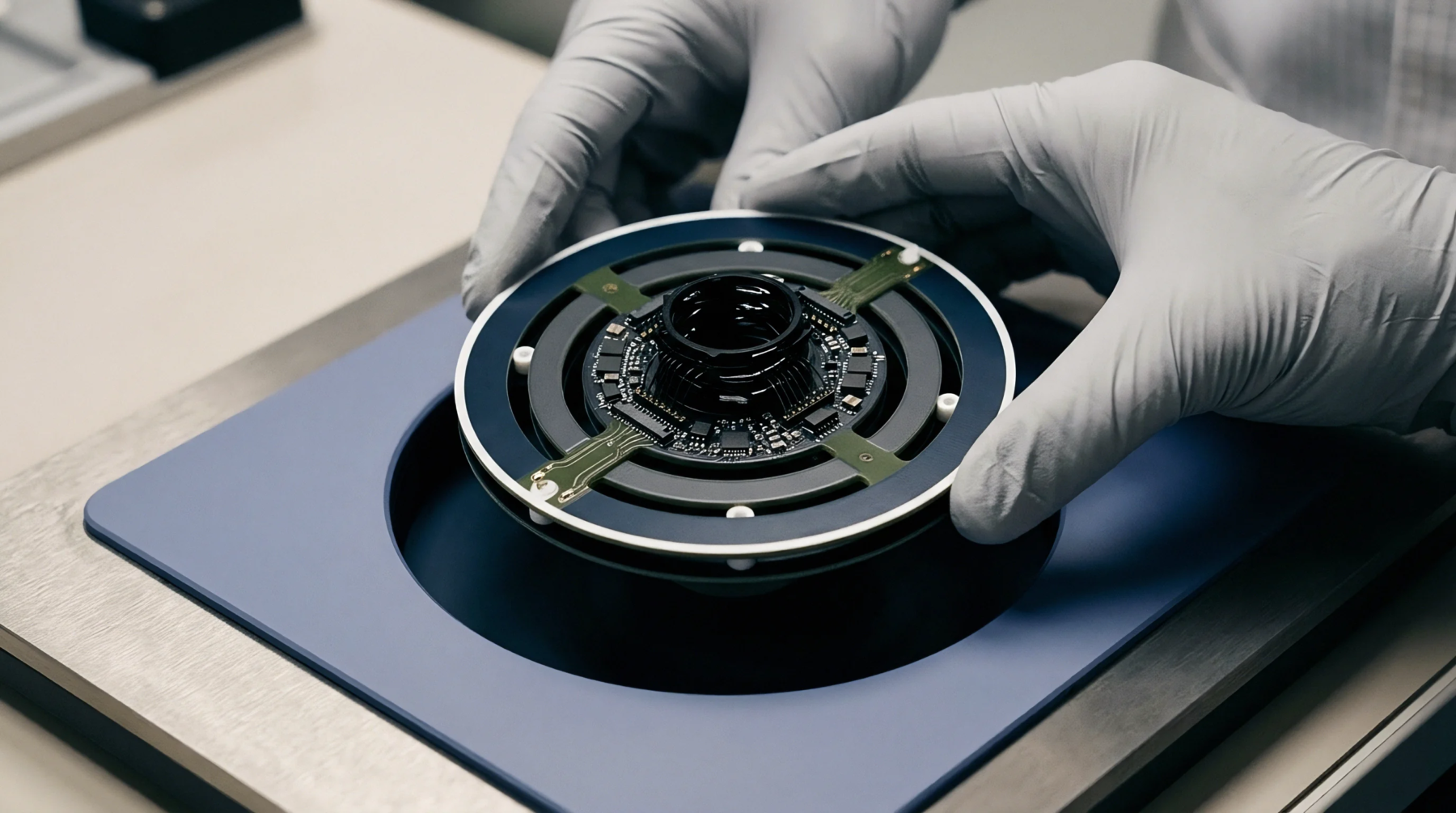
Dynamic firmware abstraction protocols and standardized test jigs eliminate operational failures caused by asynchronous silicon errata across alternate factories.

Maintain a 70/30 production split with strict monthly minimum volume floors to preserve secondary line yields and protect against idle overhead surcharges.

Distributed line-integral refractometry eliminates spatial aliasing in large-scale metrology by directly pairing optical dispersion or synchronized telemetry.

Ground allocation liability across hardware integration tiers requires explicit interface control documents defining return path impedances and chassis bonds.
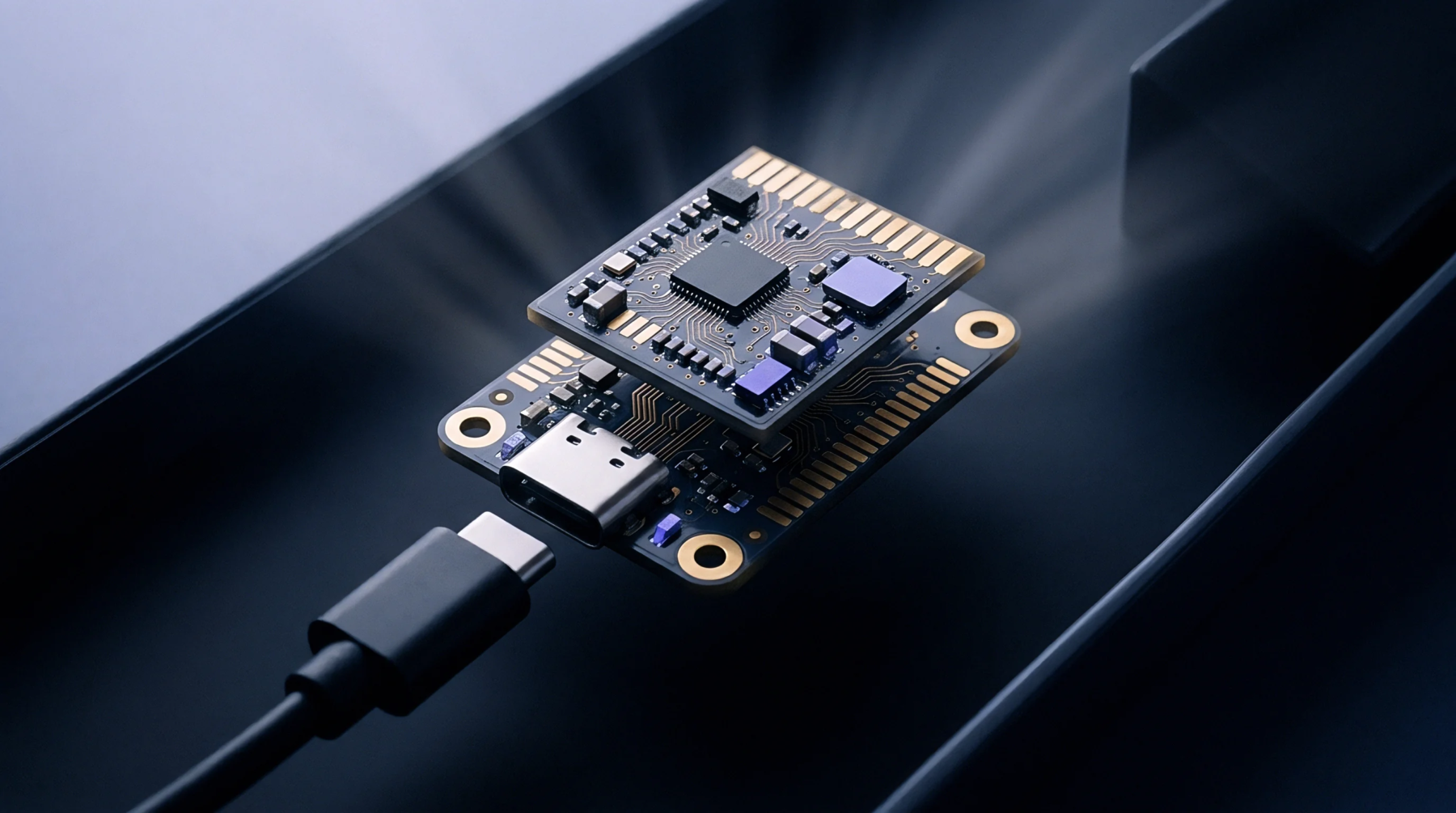
Auditing microcontroller die shrinks requires measuring sub-nanosecond edge rates with active probes and enforcing contractual IBIS simulation transfer gates.

Advanced lithography shrinks lower interface supply voltages and compress driver swing, requiring strict package channel extraction to prevent signal eye closure.

Baseline optical calibration on assembly lines eliminates mechanical housing tolerances and cross-talk offsets through traceable in-fixture stimulus standards.

Secondary source bring-up generates positive Net Present Value when unit cost savings and risk offsets exceed fixed tooling and qualification expenses.

Asset valuation baselines for electronics design transfers require native ECAD databases, uncompiled firmware source trees, and audited factory test tooling.

Containerize module fabrication data in IPC-2581C to lock CAM modifications, enforce netlist parity, and eliminate inter-site geometry discrepancies.

Dynamic register translation tables stored in OTP fuses or resolved at boot allow a single master firmware binary to run across varying multi-site hardware revisions.

Secondary sourcing succeeds when firmware build containerization, bit-for-bit escrow verification, and explicit mold shot-life accounting precede tool transfer.

Unbundling engineering fees isolates true component bill-of-materials costs from upfront development labor, preventing margin erosion at scale.

Automated multi-site boundary scan verifies module registers by routing broadcast stimulus to parallel sockets with isolated per-site response comparators.

Masking drivers isolate microcontroller silicon errata by enforcing atomic shadow register writes, protecting firmware across untracked foundry stepping changes.

Mathematical liability models use Shapley values and MPU trace logs to assign software recall costs based on exact SRAM fault contribution.

Optimal volume split modeling balances factory fixed cost overhead against country duty rates to minimize landed module cost.

Cross site RF test jig attenuation variances demand de-embedded scattering matrices, golden board transfer protocols, and automated thermal drift offsets.

Splitting manufacturing allocations causes yield divergence from stencil, reflow, and ATE variances, driving landed cost premiums up through scrap and NRE.

Amortizing non-recurring engineering fees hides volume risk, while secondary supplier setup demands complete native design files and independent test jig duplication.

Optimizing surface coatings and flexure compliance resolves thermal hysteresis limits in high-preload kinematic mounts by preventing interfacial micro-slip.

Unified spatial metrology bundling combines multi-station optical observations into single coordinate frames to eliminate drift during tool transfers.

Automated boundary scan coverage verification across padless revisions uses IPC-2581 CAD parsing, BSDL fault modeling, and revision differential net scoring.

Extracting structural defect models for modified surface mount nets maps parasitic RLC shifts to maintain signal integrity and structural test coverage.
Expertise is a utility, not a secret. sentiention™ publishes its working knowledge as open reference: intelligence layer covering the materials it sources, the markets it enters, and the reference that serves both.