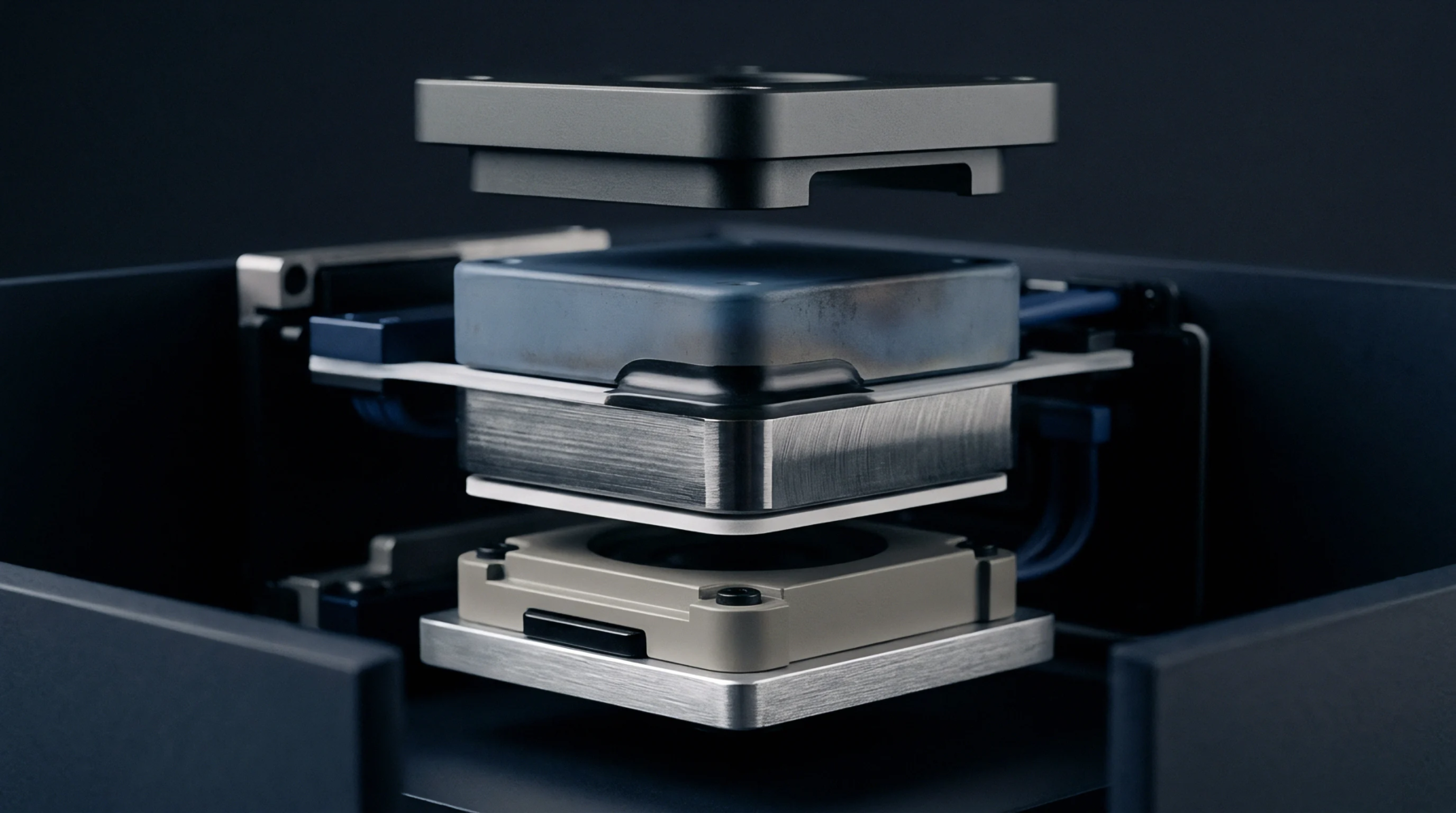
Predicting High Temperature Phase Distortion in Multi Layered Millimeter Wave Radome Polymers
Predicting millimeter wave radome thermal phase distortion demands temperature dependent dielectric matrix modeling prior to committing to tooling.
Predicting millimeter wave radome thermal phase distortion demands temperature dependent dielectric matrix modeling prior to committing to tooling.
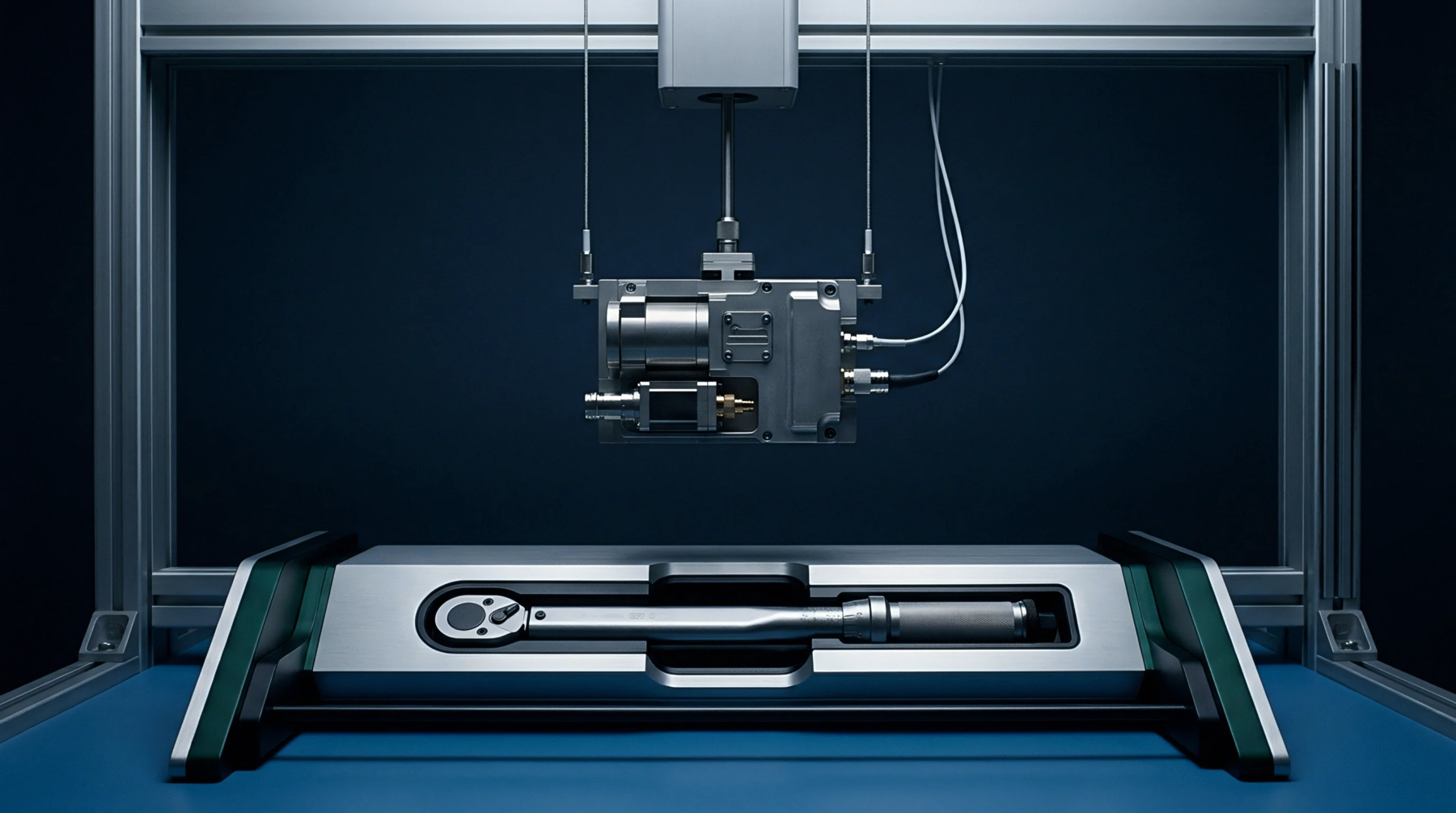
Thermal expansion sensor drift qualification demands empirical boundary layer mapping, kinematic structural loop decoupling, and cycle-based re-mastering.
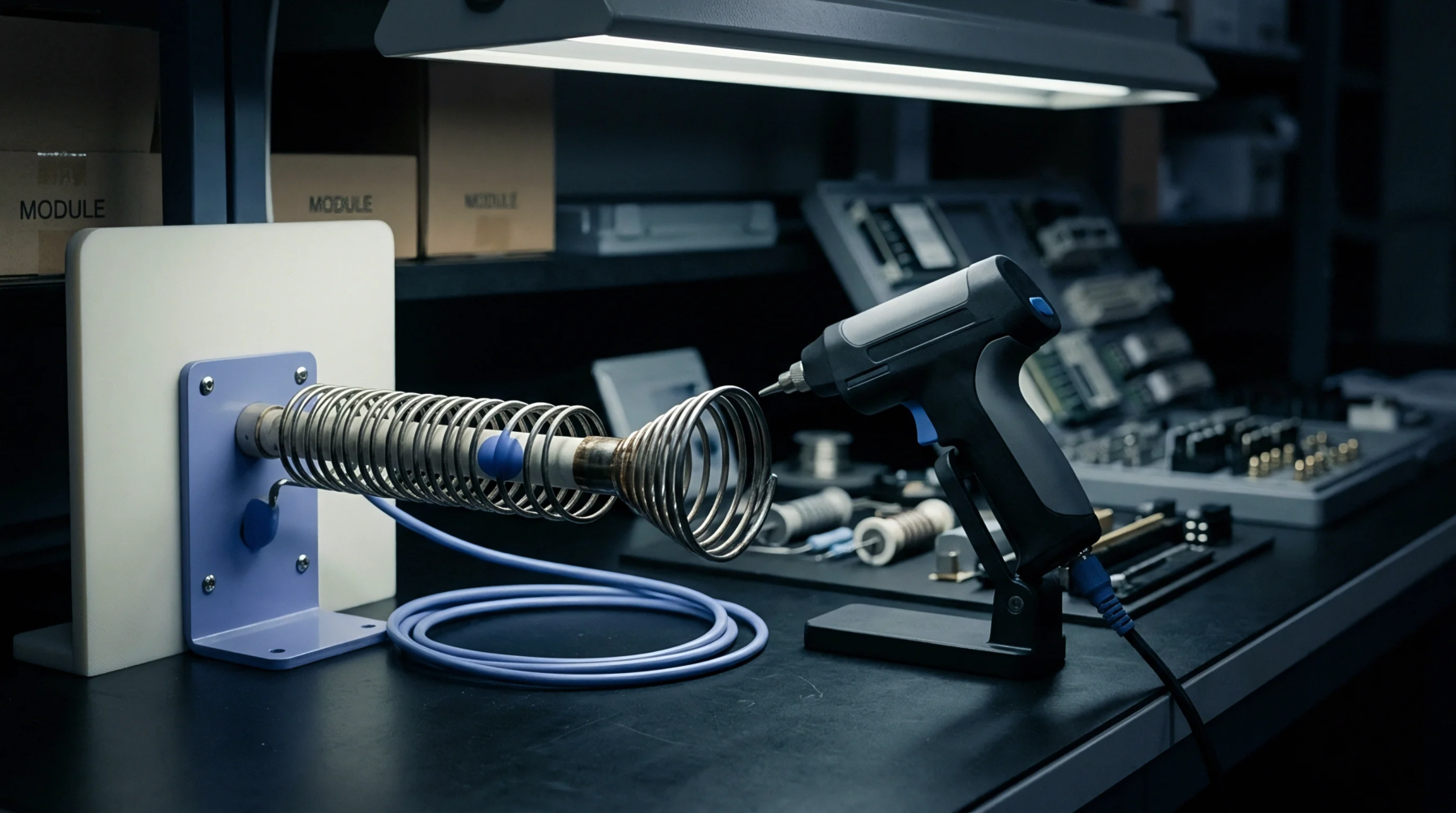
Cross site RF test jig attenuation variances demand de-embedded scattering matrices, golden board transfer protocols, and automated thermal drift offsets.
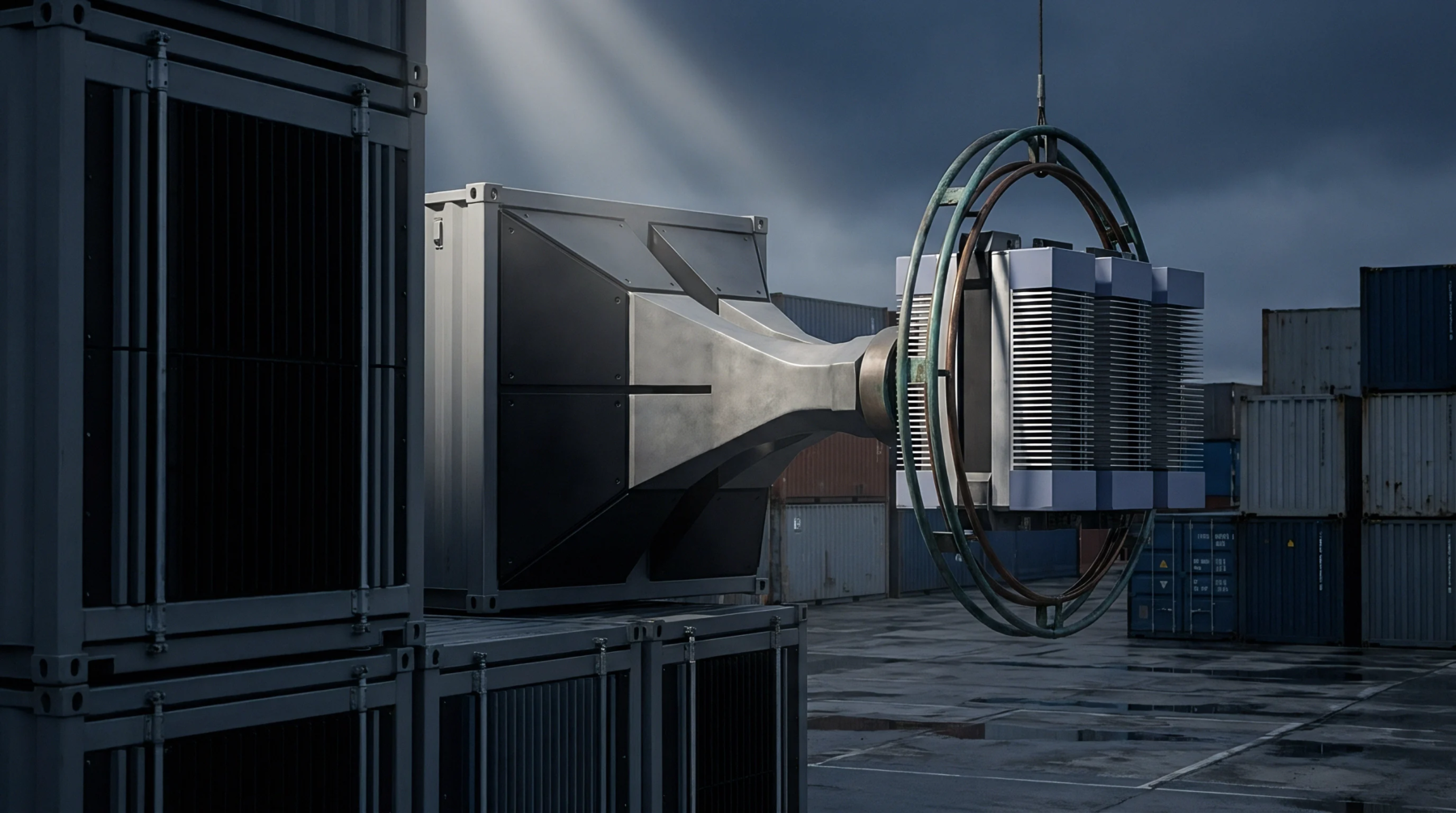
Thermal dielectric drift shifts substrate permittivity and trace impedance, detuning filters and risking band-edge non-compliance during climatic chamber testing.
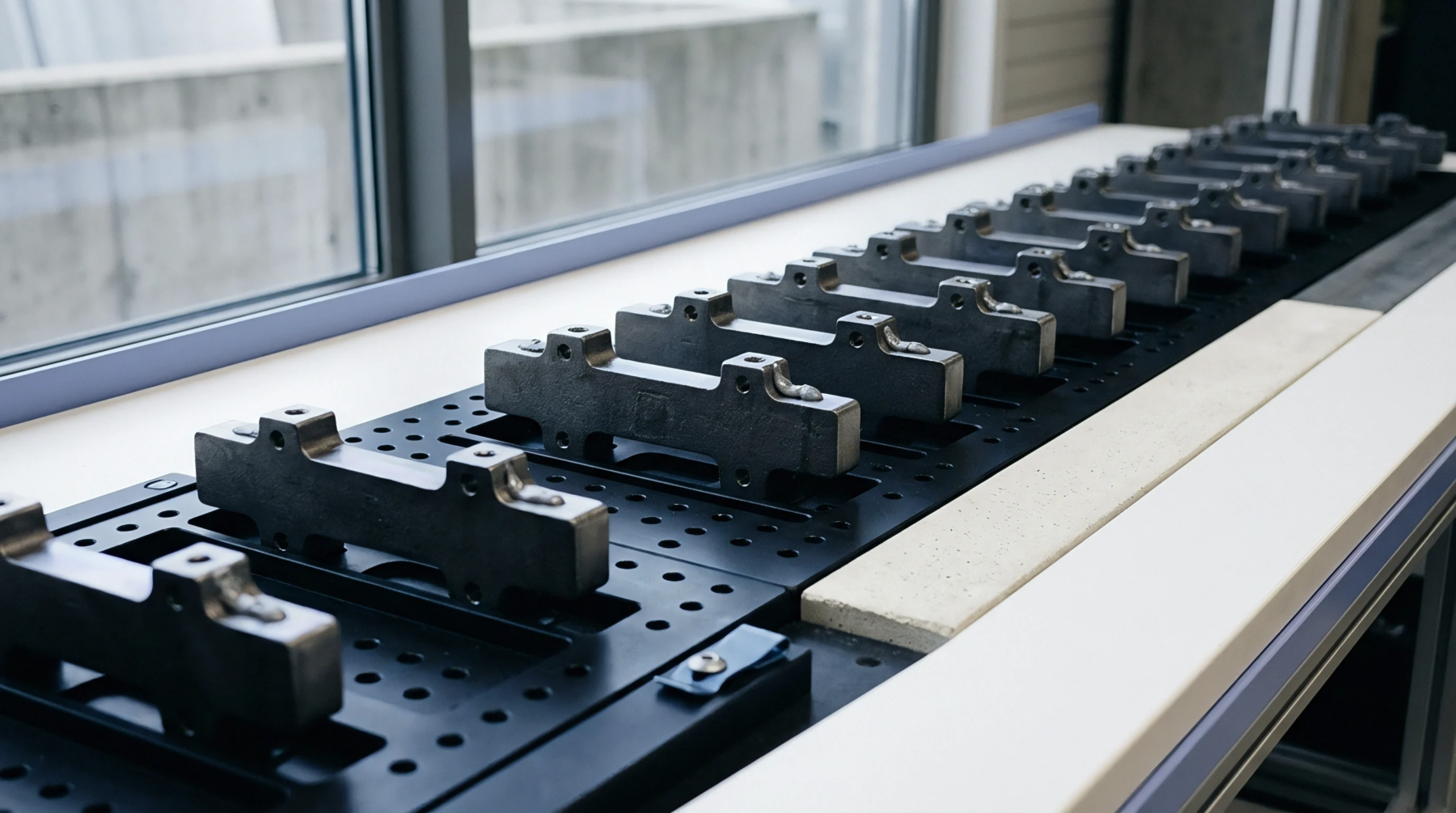
Characterizing thermal drift in multi-axis test fixtures eliminates artificial yield loss by isolating structural thermal expansion from true module electrical performance.
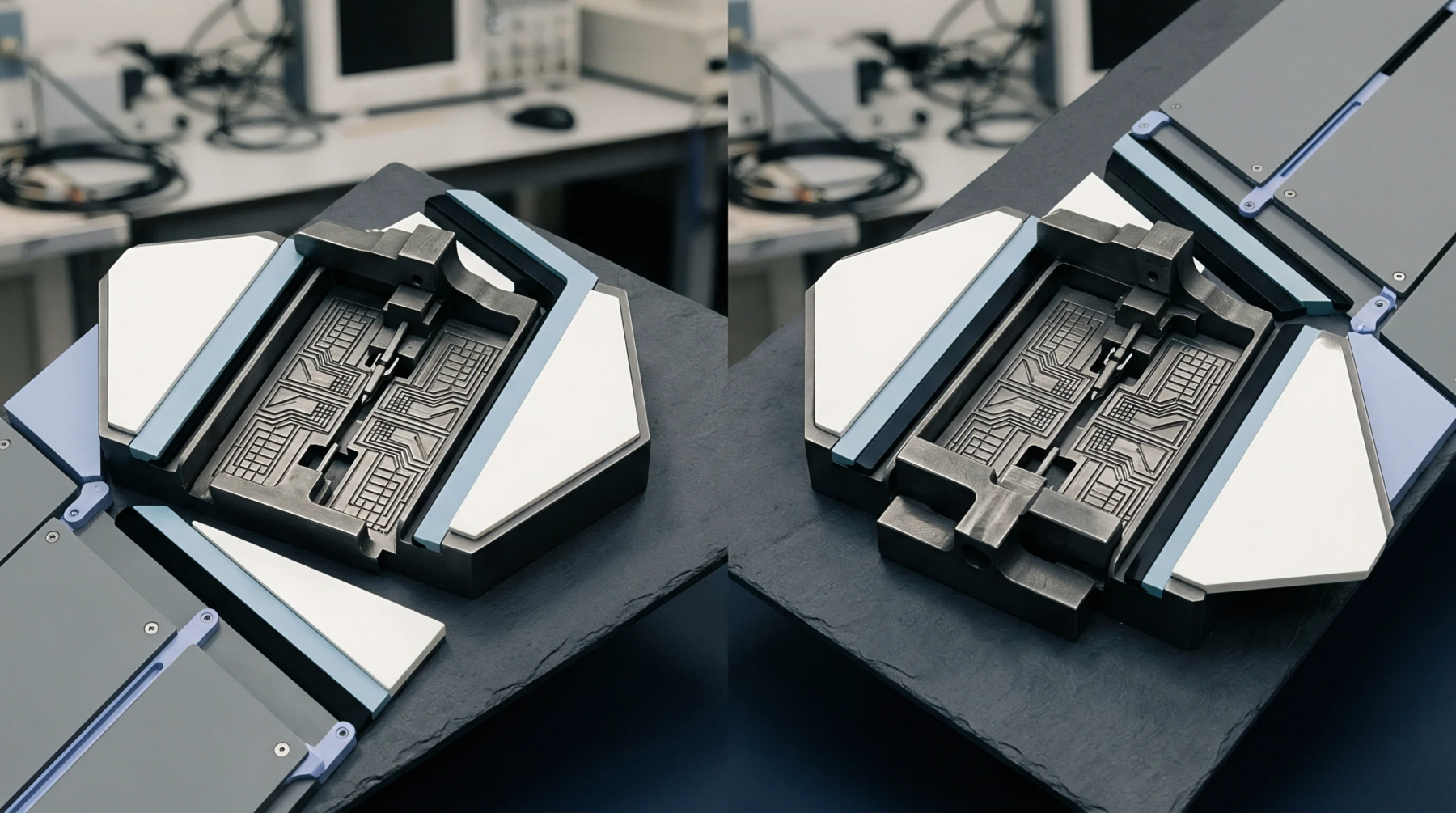
Substrate moisture absorption increases dielectric loss tangent, raising RF interconnect insertion loss and reducing long-term wireless link margins.

Crossborder transit calibration standards require ISO 17025 traceable metrology baselines and thermal soak verification to isolate transport drift from factory defect.
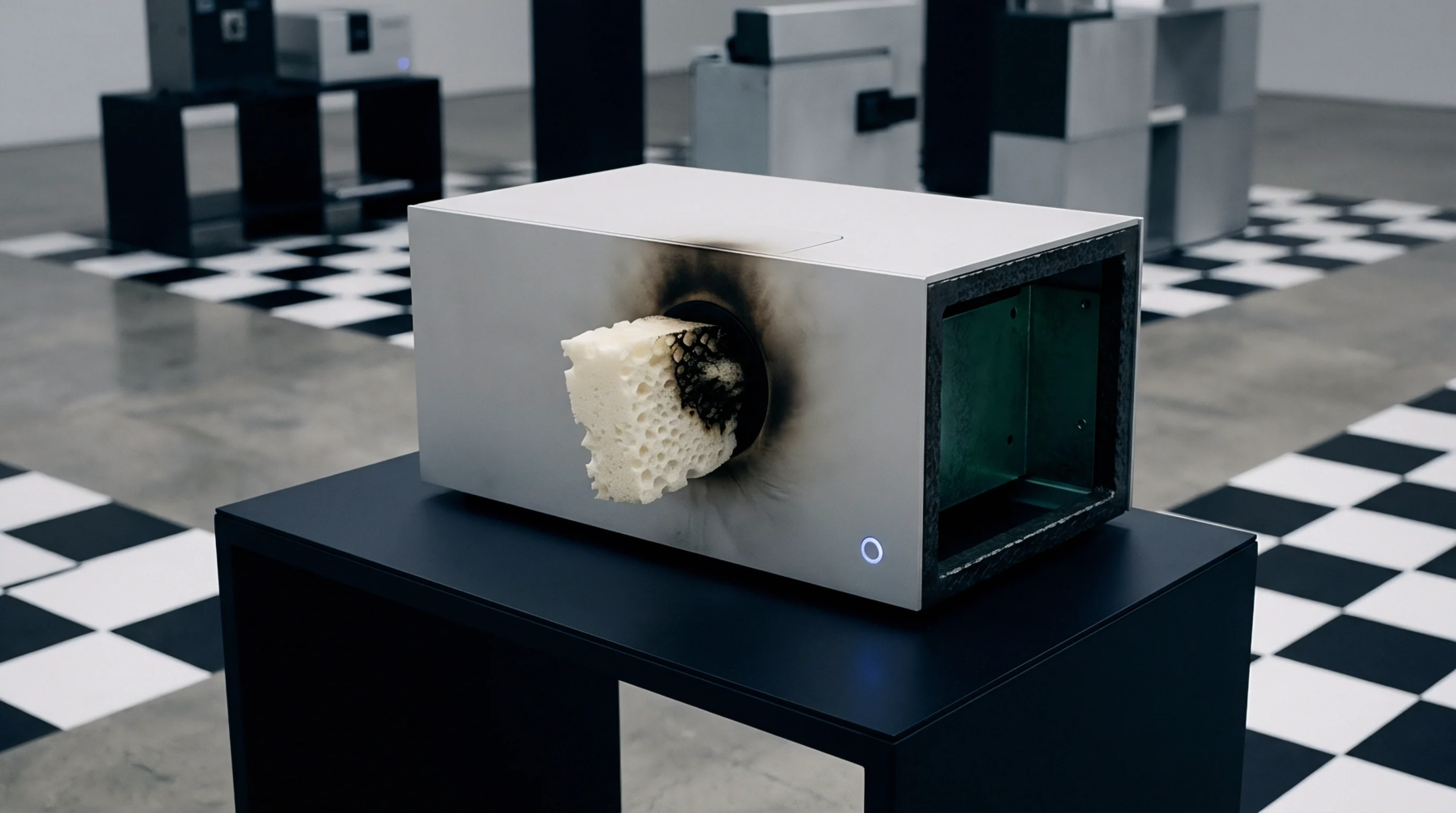
Potting encapsulation shifts multi-band antenna resonance via dielectric loading, requiring precise trace tuning and Class II Permissive Change filings.
Expertise is a utility, not a secret. sentiention™ publishes its working knowledge as open reference: intelligence layer covering the materials it sources, the markets it enters, and the reference that serves both.