
Turnkey Wireless Module Source Schematic Inspection and CAD File Handovers
Turnkey wireless module source handovers demand native CAD databases, compiled BSP source trees, test fixture scripts, and explicit IP assignment clauses.
Turnkey wireless module source handovers demand native CAD databases, compiled BSP source trees, test fixture scripts, and explicit IP assignment clauses.
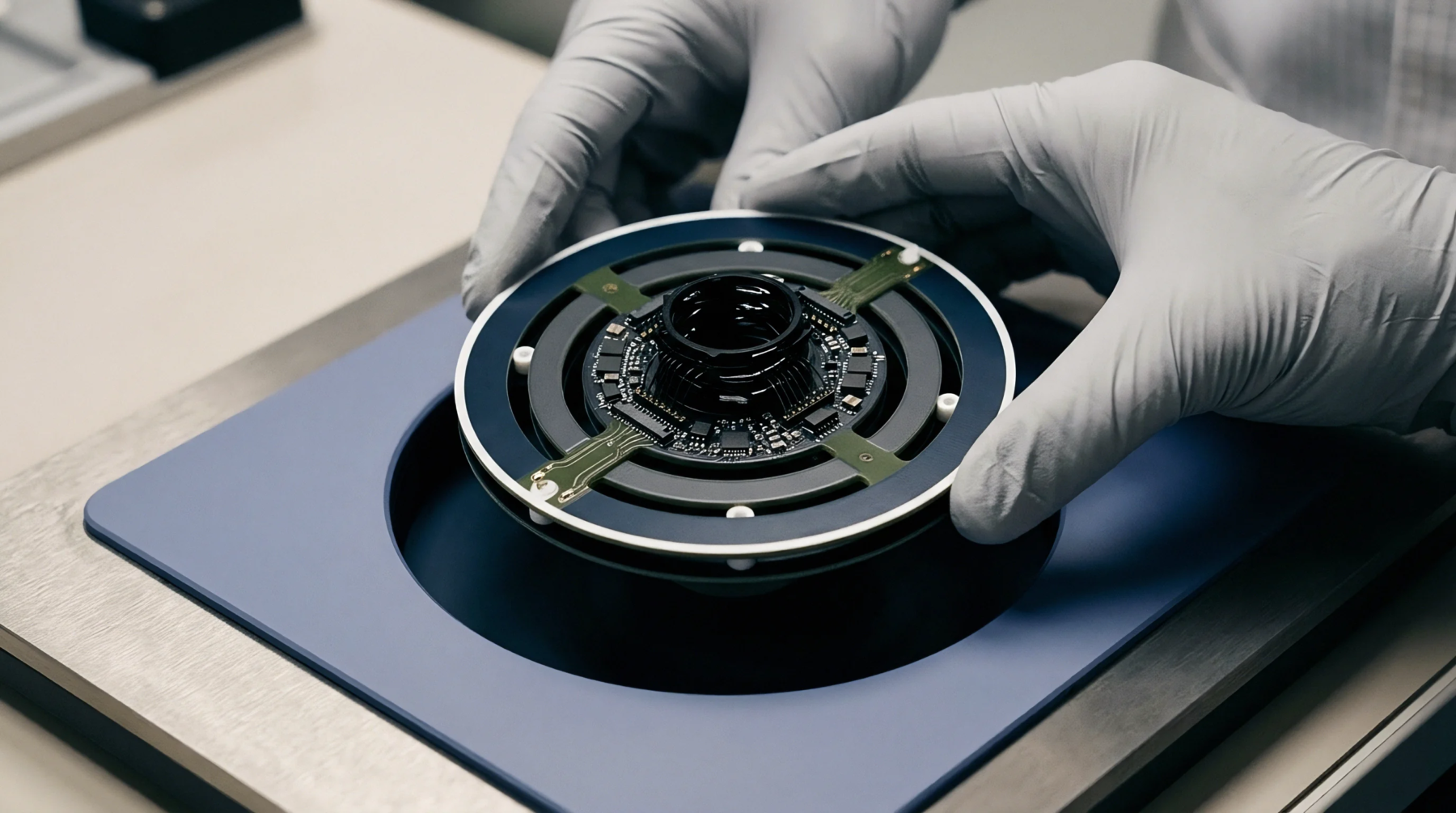
Dynamic firmware abstraction protocols and standardized test jigs eliminate operational failures caused by asynchronous silicon errata across alternate factories.

Maintain a 70/30 production split with strict monthly minimum volume floors to preserve secondary line yields and protect against idle overhead surcharges.

Structure hardware escrow with bit-exact build verification, secure factory OTP traceability keys, and tie field liability to physical failure mechanisms.

Verifying native CAD and firmware source files during design transfer prevents unlinked components, build failures, and costly manufacturing delays.

Amortizing non-recurring engineering fees hides volume risk, while secondary supplier setup demands complete native design files and independent test jig duplication.

Securing firmware source repositories and native EDA CAD files in module procurement demands explicit foreground IP allocation and audited build scripts.

Semicustom wireless module break-even hinges on offsetting upfront NRE and regulatory fees against unit BOM savings across yield-adjusted volume thresholds.

Commercial recovery for post-production hardware rework in multi-source supply chains hinges on contractual root-cause attribution and automated debit offsets.

Post-production change control requires frozen revision baselines, strict PCN risk classification, delta testing, and explicit contractual cost allocation.
Establishing hardware and firmware transfer rights demands uncompiled source code, raw layout schematics, build containers, and verified test fixtures.
White-label products sold by competitors share baseline hardware, exposing both brands to identical silicon errata, component supply shocks, and vendor lock-in.

Standardizing RF front-end pad layouts allows single-PCB hardware deployments across distinct regional sub-GHz band plans without board respins.

Lock bills of materials contractually and require automated feeder verification to eliminate unannounced component substitutions in turnkey electronics sourcing.

Regulatory certification failure liability depends on linking contract milestone payments and indemnification clauses to accredited lab test reports.
Module IP management requires defining baseline assets, acquiring raw CAD and containerized build packages, and securing clear derivative assignment.
Unbundling firmware drivers and test fixtures requires explicit source repositories, containerized builds, physical CAD files, and audited fixture escrow.
Evaluating dual source transfer packages requires auditing source documentation completeness, matching physical substrate parameters, and tracking landed costs.
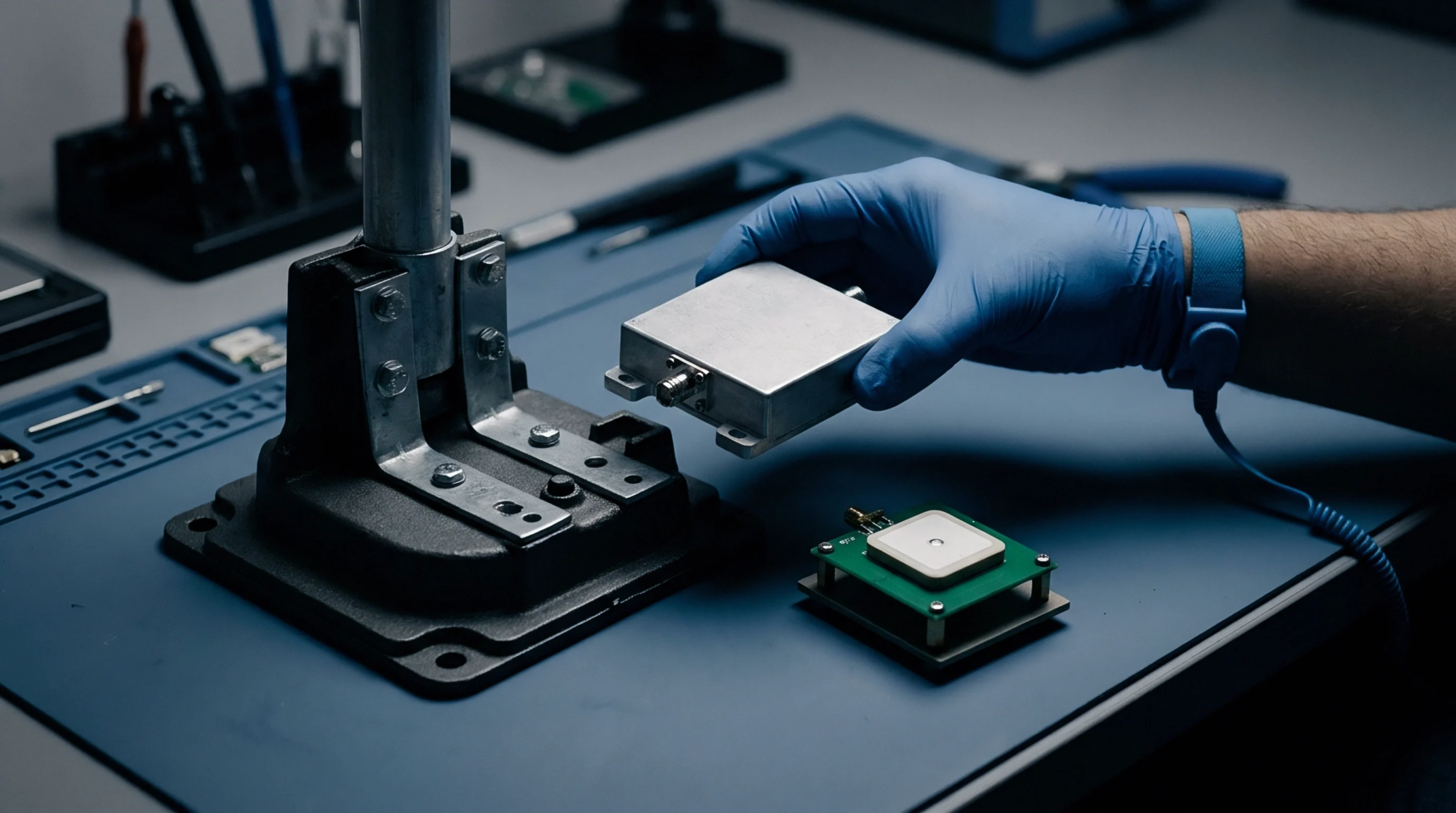
Unbundling non-recurring engineering fees from unit prices protects hardware margins and guarantees access to native design databases during manufacturing scale.

Design transfer success depends on complete native CAD files, containerized firmware builds, unambiguous test specs, and explicit commercial exit clauses.

Unapproved silicon stepping changes alter timing, power, and register behavior; enforce 180-day PCN SLAs, automated parametric screens, and strict contract indemnities.
Verify crystal-less sleep synchronization by combining dynamic polynomial thermal compensation with scaled receiver guard windows to maintain sliding time buckets safely.

Unbundling hidden engineering hours from unit quotations exposes true manufacturing costs, restores IP ownership, and prevents locked-in margin erosion.

Second-sourcing a semi-custom module two years post-launch demands complete native CAD source files, uncompiled firmware, and validated factory test jigs.

Sourcing ready modules minimizes upfront NRE and regulatory risk for mid-volume hardware, while custom discrete designs optimize unit landed cost at scale.
Expertise is a utility, not a secret. sentiention™ publishes its working knowledge as open reference: intelligence layer covering the materials it sources, the markets it enters, and the reference that serves both.