Meaning
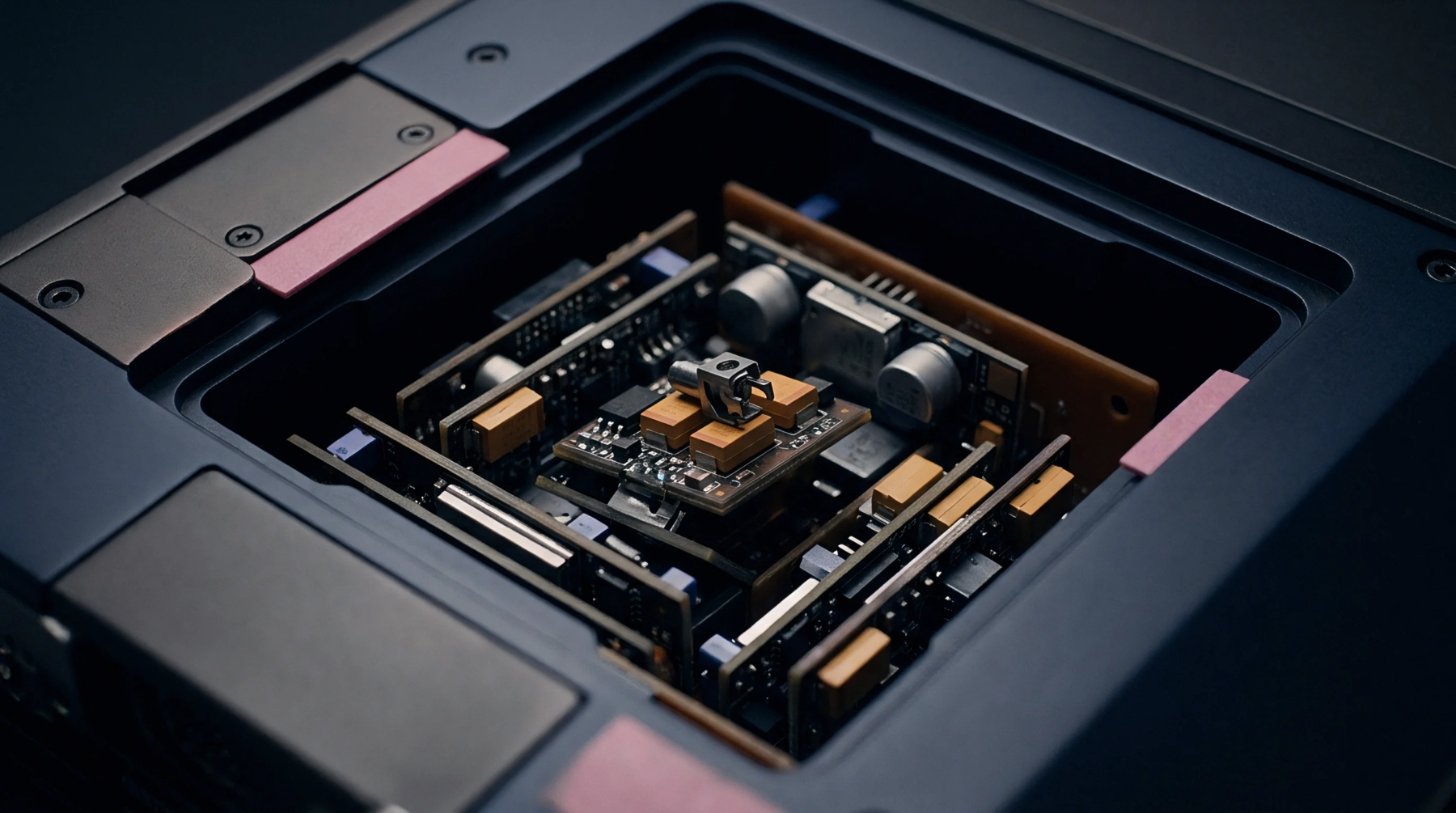
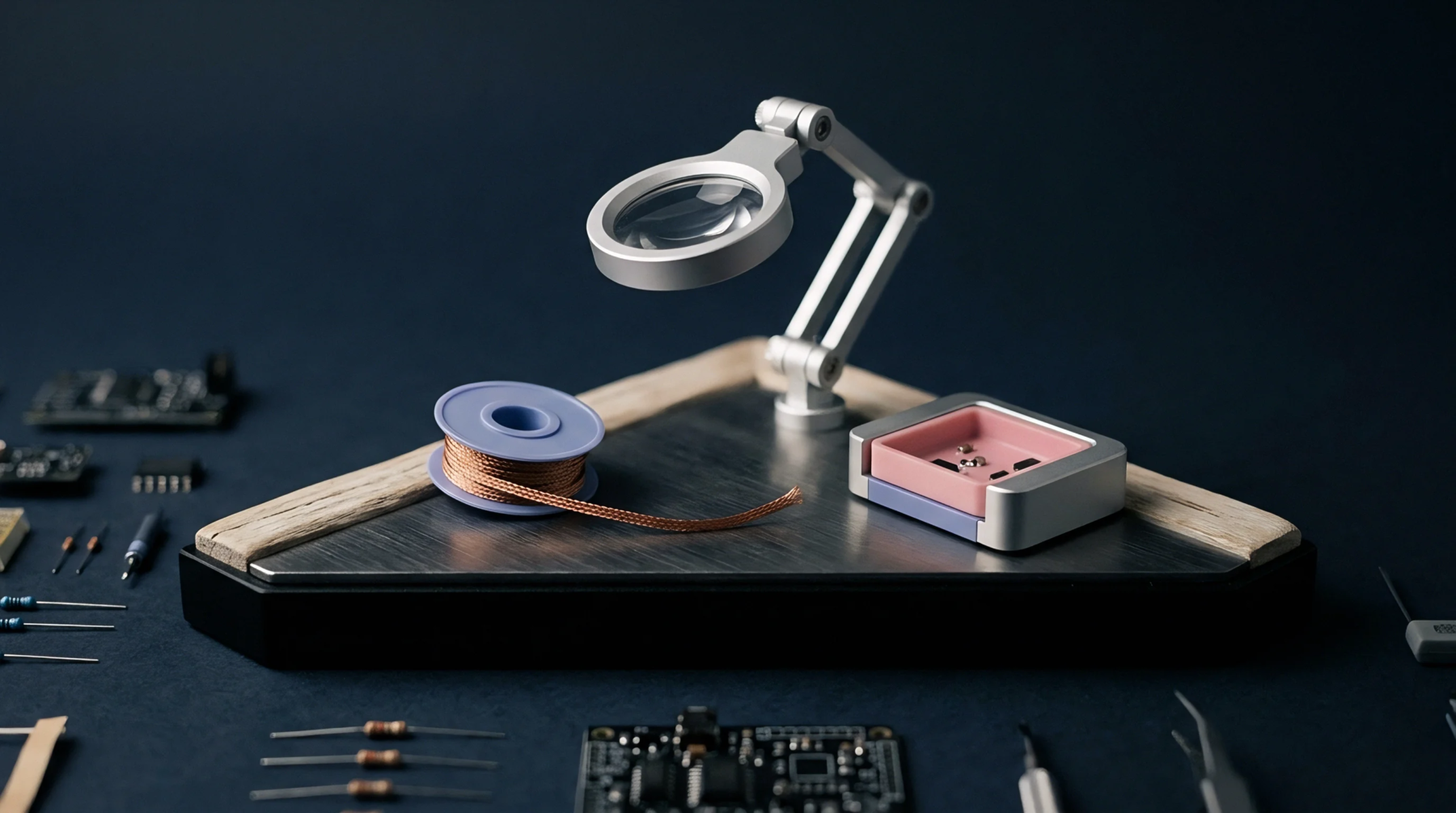
Surface mount technology is an automated manufacturing method for placing electronic components directly onto the printed circuit board substrate rather than inserting leads through predrilled holes. This technique governs physical board assembly density, solder paste deposition volumes, and reflow profile parameters while stopping at bare board fabrication and final functional test execution. Automated pick and place machines position miniature resistors, capacitors, and integrated circuits onto pads coated with solder paste.
Subsequent thermal reflow melts the alloy paste to form permanent mechanical and electrical joints.
Thermal Budget
Managing the thermal budget during reflow requires strict control over conveyor speeds and heating zone temperatures to prevent component damage. Surface mount technology relies on uniform heat transfer across densely populated assemblies where heavy ground planes sink energy away from adjacent smaller lands. Production engineers verify these profiles using thermocouple test boards passed through the reflow oven prior to volume manufacturing runs.
Exceeding maximum temperature limits degrades semiconductor junctions and warps the underlying laminate material. Cooling rates must remain gradual to avoid thermal shock fracturing the newly formed solder fillets.
Mechanical Stress
Drop testing and vibration screening evaluate how assemblies withstand operational loads transmitted through enclosures and mounting brackets. Surface mount technology subjects solder joints to shear forces whenever differential thermal expansion occurs between ceramic packages and FR4 circuit boards. Stiffeners and corner glue dots reinforce vulnerable BGAs against bending moments encountered during final product housing installation.
Designers calculate standoff heights carefully to absorb these mechanical deformations without propagating cracks through the intermetallic compound layers.
Assembly Yield
Automated optical inspection systems capture high resolution images immediately after reflow to detect bridging, tombstones, and missing parts before electrical power tests begin. Surface mount technology depends on repeatable paste printing and component placement accuracy to maintain high first pass manufacturing yields. Operators review defect logs generated by these inspection tools to adjust squeegee pressure and feeder alignment on the assembly line.
Quality assurance teams track defect rates per million opportunities to validate supplier component solderability and paste release performance.