
Co Located Multi Transmitter RF Intermodulation Pre Scan Verification
Pre-scan verification of co-located multi-transmitter intermodulation prevents restricted band failures and costly re-spins before final market filings.
Pre-scan verification of co-located multi-transmitter intermodulation prevents restricted band failures and costly re-spins before final market filings.

Maintain explicit grantee agency agreements and independent grant lineages to execute multi-market permissive changes when module vendors alter hardware.

Multi-vendor radio module substitutions qualify for Class II Permissive Changes only when pin alignment, output power, and radiated emissions match baseline testing.
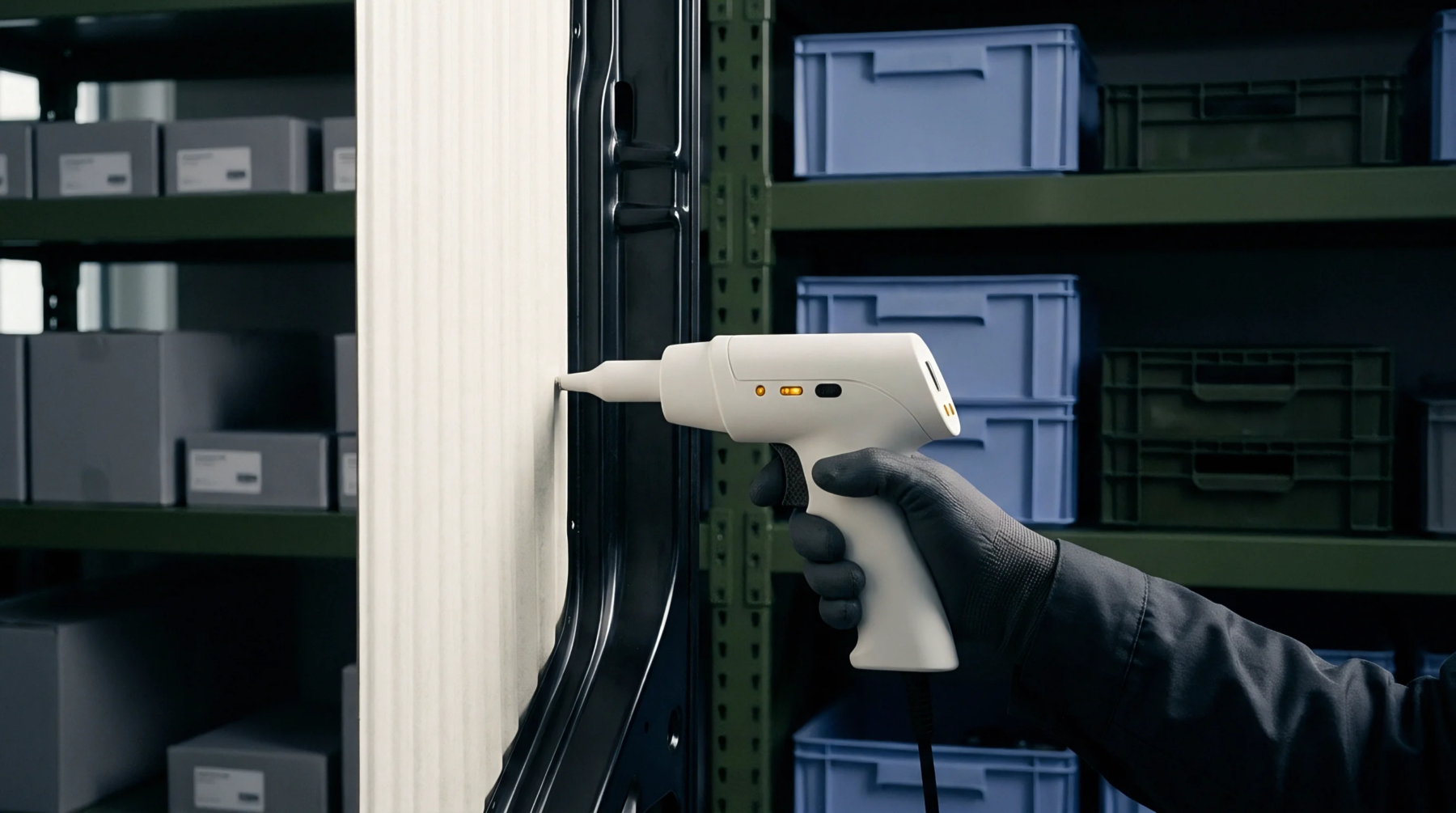
Diagnosing parasitic radiated emissions requires tracing clock harmonic return loops, suppressing cavity resonance, and validating simultaneous transmission grants.

Co-located radio Class II Permissive Changes demand radiated intermodulation scans and exposure summation when transmitter antennas sit within 20 cm.

Mitigate co-located spurious emissions by maximizing inter-antenna isolation, placing steep acoustic wave filters at transceiver ports, and verifying concurrent transmission under KDB 996369 rules.

Internal RF coupling converts near-field reactive energy into unintended far-field emissions through enclosure seams, ground breaks, and unshielded host wiring.

Coordinating multi-radio permissive changes requires early intermodulation scanning, proactive grant transfers, and simultaneous SAR sum calculations before filing.

Modular radio approvals cover baseline intentional radiation but transfer host level unintentional emissions, SAR exposure, and final assembly compliance to the integrator.
Expertise is a utility, not a secret. sentiention™ publishes its working knowledge as open reference: intelligence layer covering the materials it sources, the markets it enters, and the reference that serves both.