
Co Located Multi Transmitter RF Intermodulation Pre Scan Verification
Pre-scan verification of co-located multi-transmitter intermodulation prevents restricted band failures and costly re-spins before final market filings.
Pre-scan verification of co-located multi-transmitter intermodulation prevents restricted band failures and costly re-spins before final market filings.
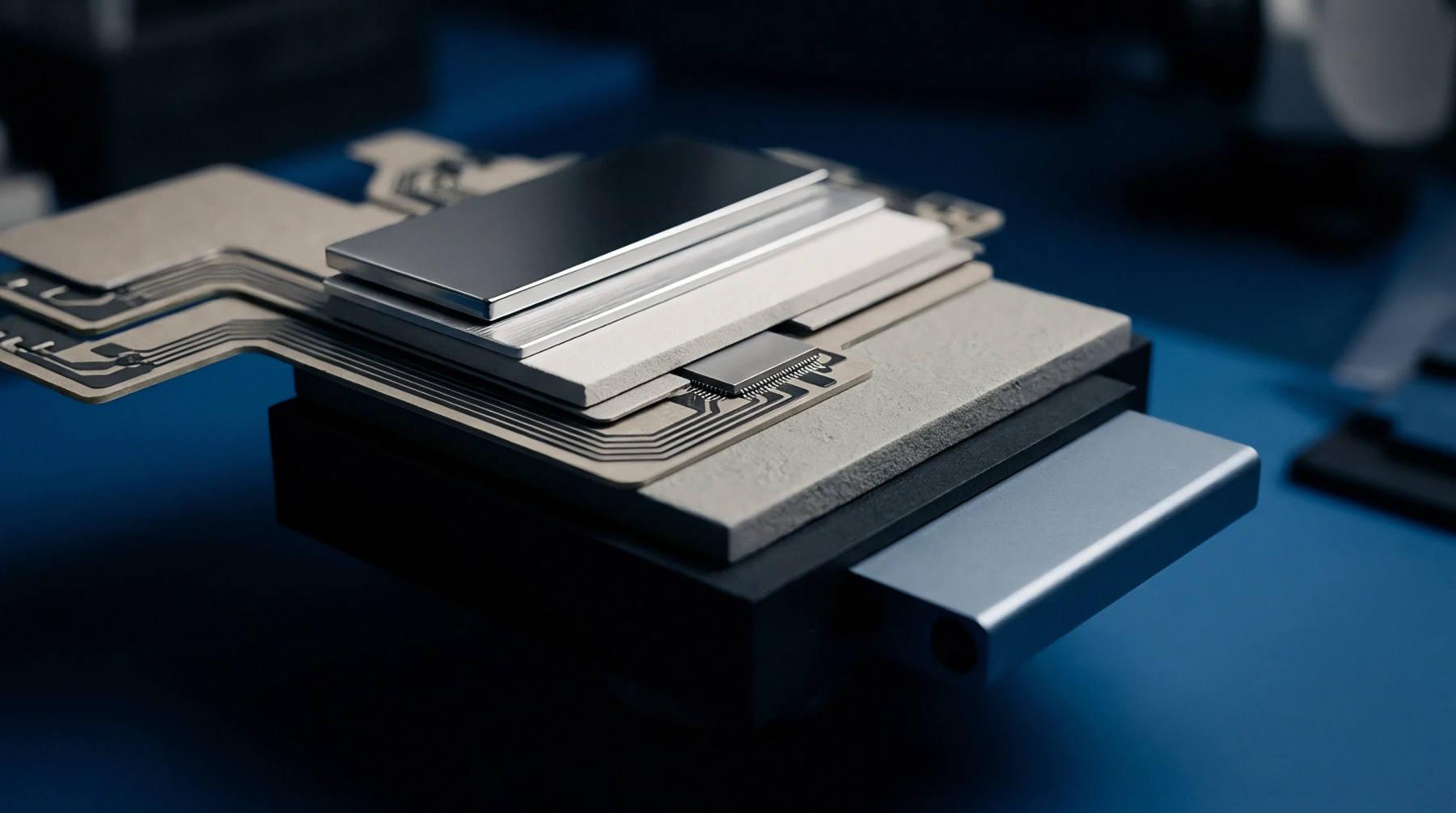
Resin variations alter near-field dielectric loading, detuning antennas and triggering costly re-testing to maintain market authorization grants.

Altering modular radio host enclosures requires Class Two Permissive Changes when material shifts detune antennas or elevate radiated spurious emissions.

Host enclosure modifications alter near field dielectric loading pulling antenna resonance out of band, degrading radiated efficiency, and forcing regulatory filings.

Installing certified wireless modules into custom metal enclosures shifts radiated spurious profiles, demanding Class II permissive changes when margins breach.

Host entry audits validate embedded transmitter grants by cross-referencing host antenna gain, spurious radiation reports, and local regulatory filings.
Dynamic reserve models weight empirical lab failure rates and schedule downtime penalties across target export regimes to price true host radio approval risk.

Radio measurement uncertainty differences across accredited labs require mandatory 6 dB design guardbands to prevent market surveillance failures.
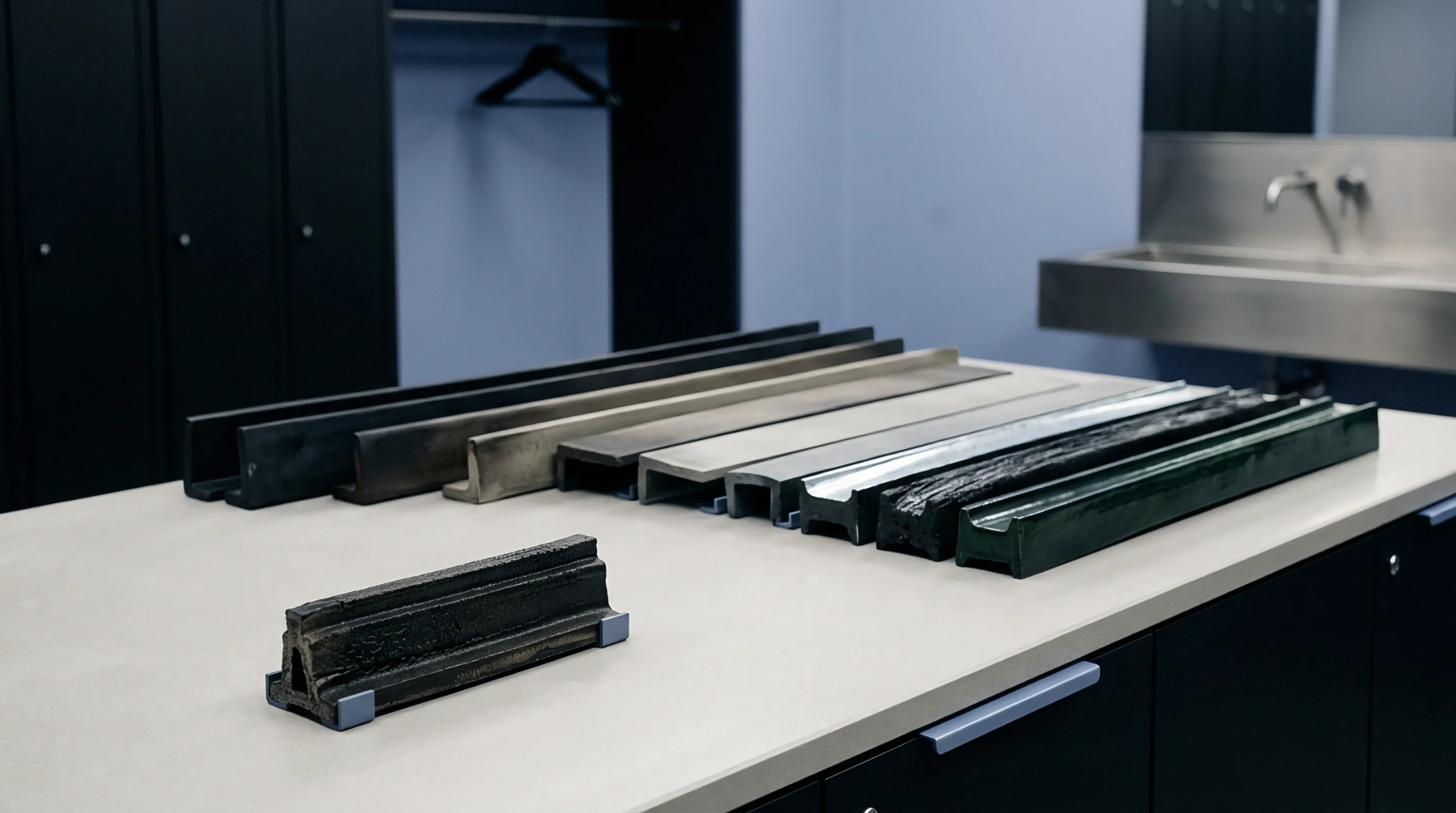
A unified radio test plan executed in accredited chambers minimizes duplicate scans, reduces retest risks, and opens multi-market regulatory approval streams.
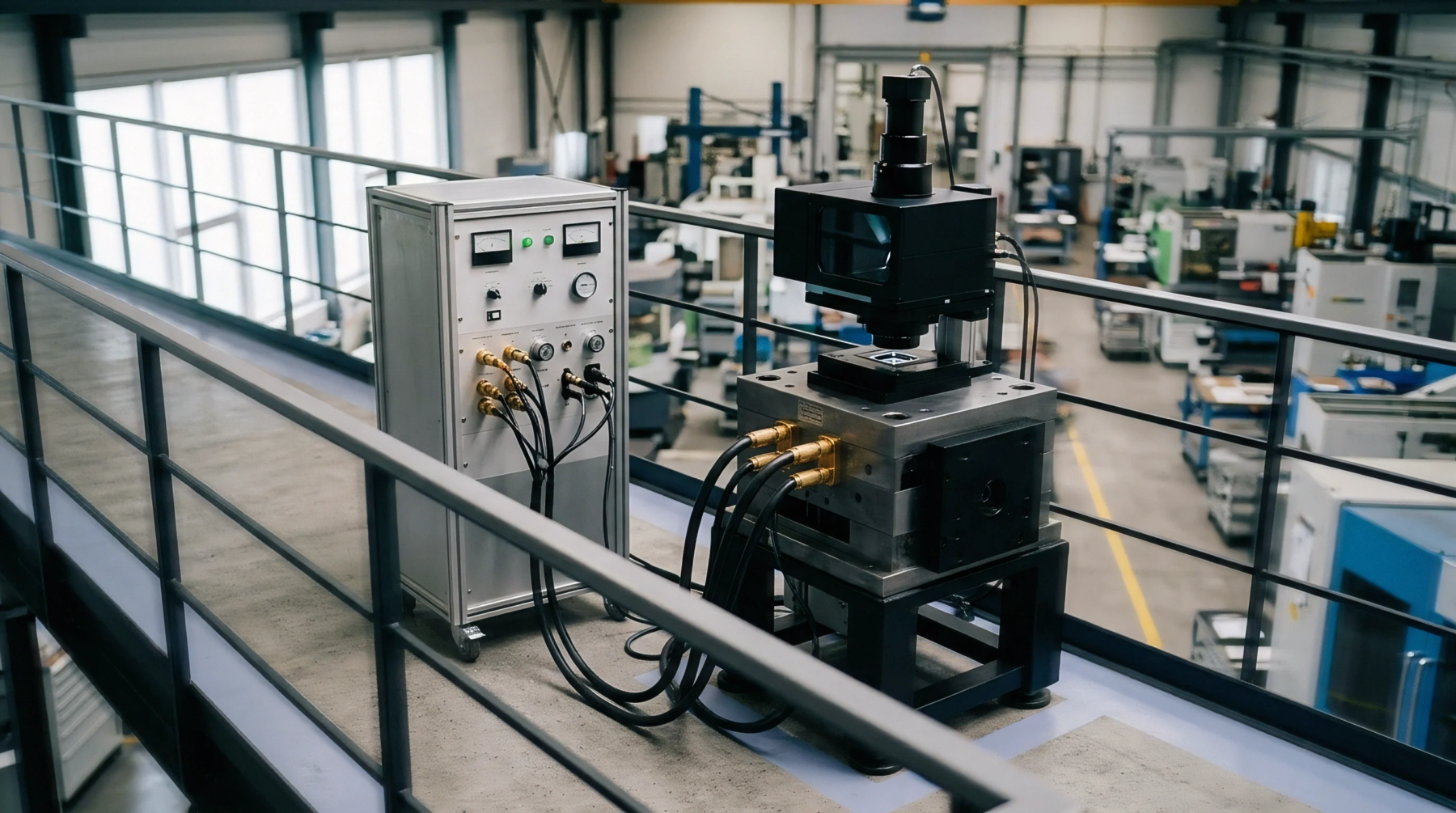
Quantifying mmWave radiated spurious uncertainty expansion factors converts raw measurement deviations into defensible ninety-five percent compliance margins.

Modifying modular antennas triggers FCC Class II Permissive Changes whenever gain, radiator type, or host SAR conditions alter baseline RF compliance.
CE module approvals do not cover host integration; host manufacturers must execute physical delta testing and compile a full RED Technical File.

Matching dielectric change limits across FCC, ETSI, and MIC avoids regulatory re-filing traps when modifying encapsulated radio potting compounds.

Class Two Permissive Changes are triggered when physical, antenna, or firmware modifications alter RF emissions or RF exposure without exceeding original grant limits.

Modular radio updates split into minor Class I file updates and major Class II filings based on measured shifts in radiated power, emissions, and frequency bands.
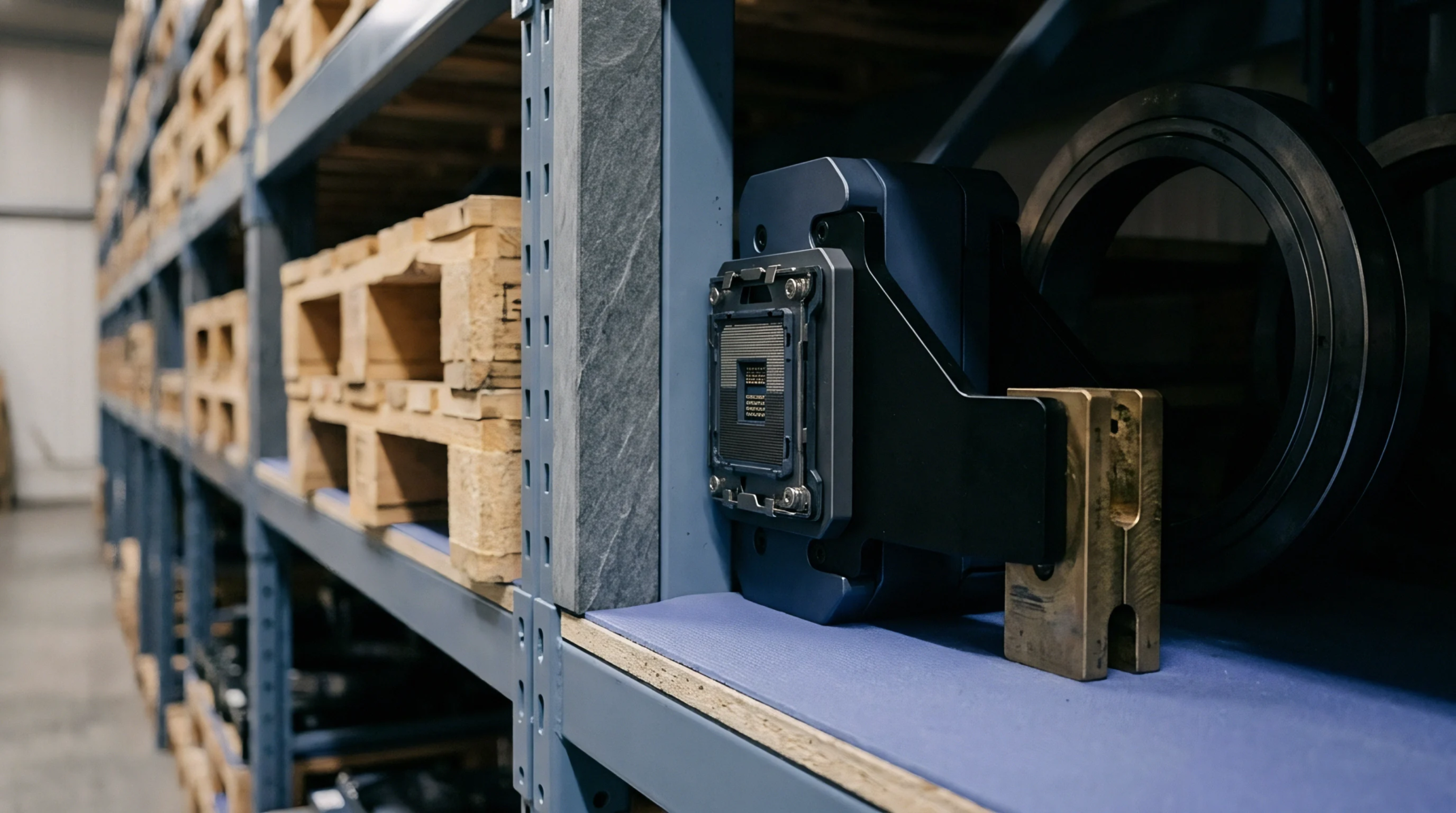
Hardware encryption power spikes trigger regulatory test failures, extending logistics label type approval timelines by eight to fourteen weeks across global markets.

Hardware root of trust integration requires active bus testing and targeted permissive change filings to preserve modular radio compliance across global markets.

Selecting secure hardware for off-grid tags requires balancing cryptographic active bursts against primary cell passivation and radiated spurious emission limits.
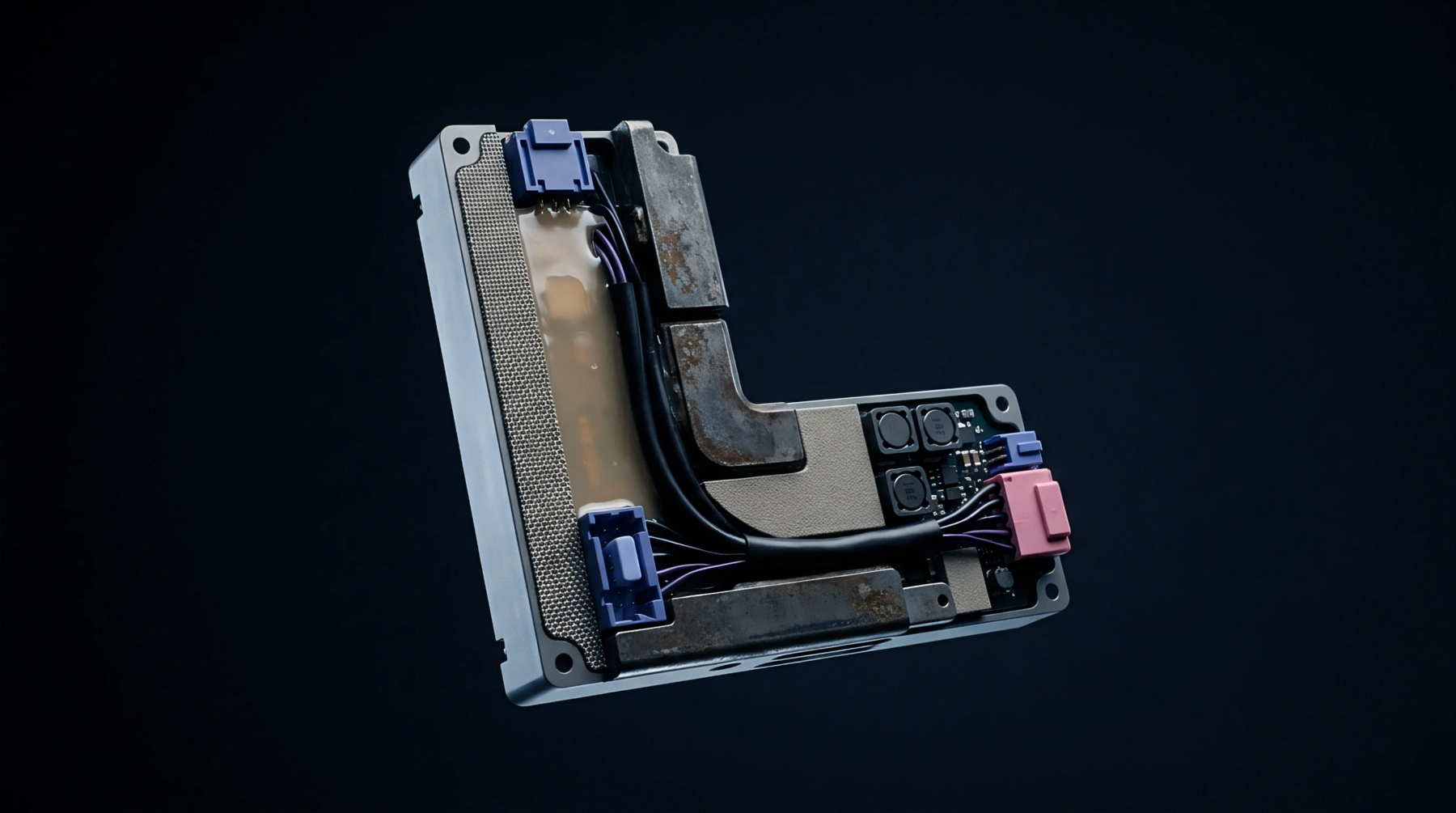
Internal metallic cavity modes coupling into co-located sub-6GHz radios create desense and spurious failures controllable by absorber placement and enclosure sizing.

Unbroken ground planes beneath RF traces and tight stitching via spacing eliminate parasitic slot radiation and prevent costly regulatory chamber retests.
Encapsulated mmWave beamforming modules require OTA spatial metrology and dielectric phase calibration to secure compliant modular grants and host approval.

Maintain explicit grantee agency agreements and independent grant lineages to execute multi-market permissive changes when module vendors alter hardware.

Multi-vendor radio module substitutions qualify for Class II Permissive Changes only when pin alignment, output power, and radiated emissions match baseline testing.

Minimum antenna separation depends on transmitter power, receiver blocking thresholds, intermodulation mixing products, and regulatory simultaneous exposure ratios.
Expertise is a utility, not a secret. sentiention™ publishes its working knowledge as open reference: intelligence layer covering the materials it sources, the markets it enters, and the reference that serves both.