Meaning
Radio equipment directive article 3 2 establishes the fundamental requirement that wireless communication hardware must utilize the radio spectrum effectively to avoid harmful interference. Manufacturers of red article 3 2 compliant systems ensure that their transmitters and receivers share bands with existing users without degrading service quality. This legislation covers equipment that emits or receives radio waves for communication or radiodetermination purposes.
Compliance signifies that the product undergoes assessment against harmonized standards for transmitter output, receiver blocking, and spectral mask adherence. A device failing these technical benchmarks lacks authorization for placement within the European market.
Radio Efficiency
Spectral congestion forces designers to prioritize transmission efficiency during the hardware development phase. Red article 3 2 demands that frequency usage remains within assigned boundaries to minimize noise floors in dense operating environments. Engineers verify this parameter through laboratory testing where a signal generator replicates typical occupancy patterns while the equipment under test operates.
Should the device exhibit poor frequency stability, it occupies adjacent channels and disrupts other nodes sharing the bandwidth. Manufacturers document these test results in the technical file to demonstrate that the radio interface performs within defined limits across all temperature ranges. Product validation occurs before the declaration of conformity reaches the final assembly stage.
Interference Immunity
Receiver performance constitutes the secondary pillar of red article 3 2 because hardware must maintain functionality while subject to external signals. Devices often face saturation from high energy emissions present in the environment where the unit resides. A robust receiver rejects out-of-band energy while maintaining sensitivity to the target signal frequency.
Hardware validation involves injecting modulated noise into the antenna port to measure the bit error rate or signal degradation threshold. Manufacturers select high-quality filters and low-noise amplifiers to ensure the internal circuitry provides selectivity against unwanted harmonics. If the receiver fails these assessments, the design requires shielding updates or improved front-end filtering.
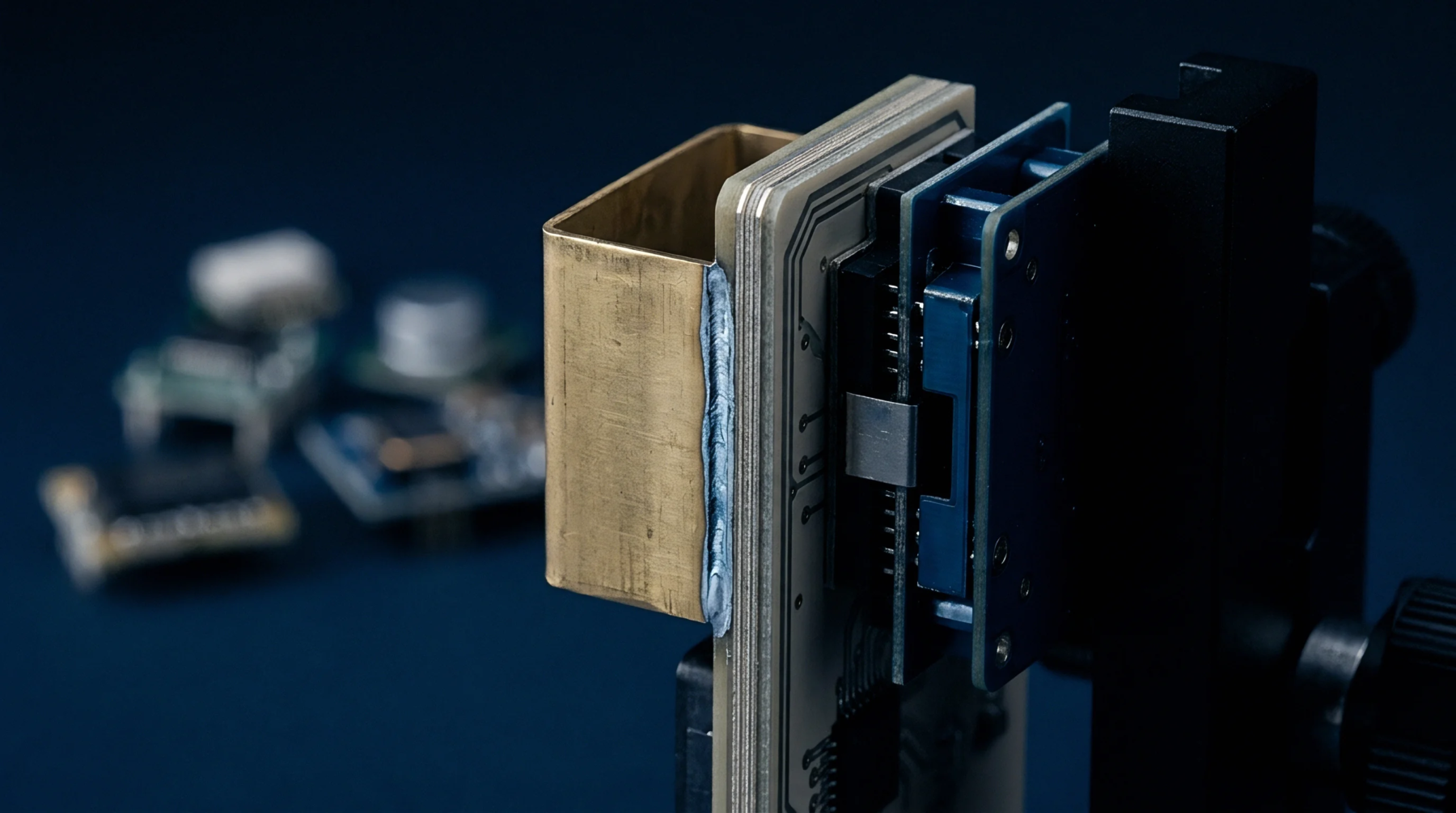
Proper layout prevents board-level coupling that allows high-frequency noise to bypass the intended signal paths.
Compliance Verification
Testing protocols establish the specific measurement conditions required for certification bodies to grant approval for equipment deployment. Verification proceeds by comparing the emission profile against established limits for power, bandwidth, and spurious content defined in the relevant harmonized standards. Each manufacturer provides a comprehensive test report detailing the operational modes and antenna gain settings used during the evaluation.
Third-party laboratories conduct these audits to maintain impartiality between the supplier and the regulatory authorities responsible for spectrum management. Once the data confirms that red article 3 2 metrix are satisfied, the documentation enables the affixing of the required markings on the physical chassis. Final certification rests upon the ability of the device to operate as intended without causing electromagnetic dysfunction in proximity to other licensed wireless equipment.