Meaning
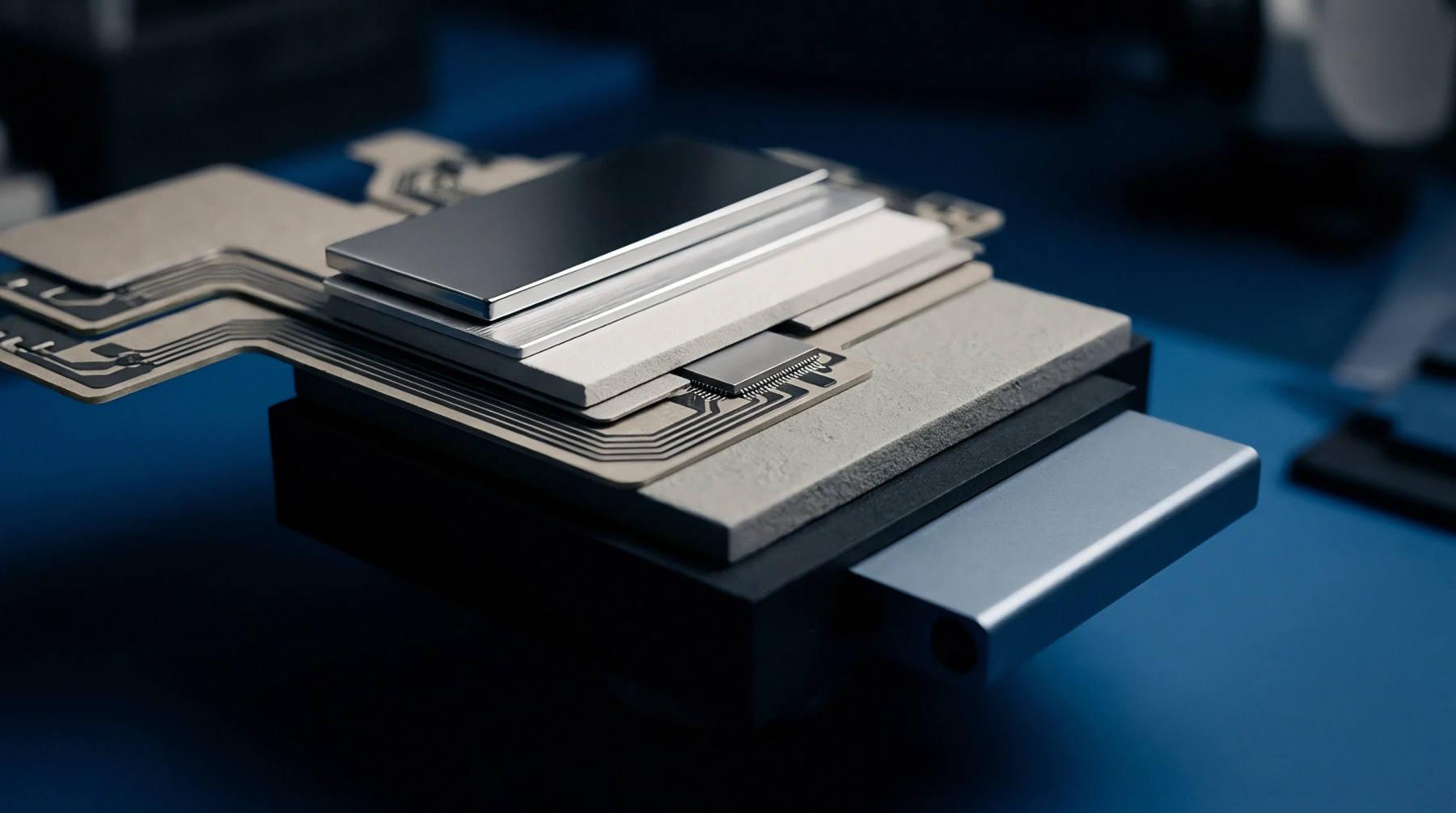
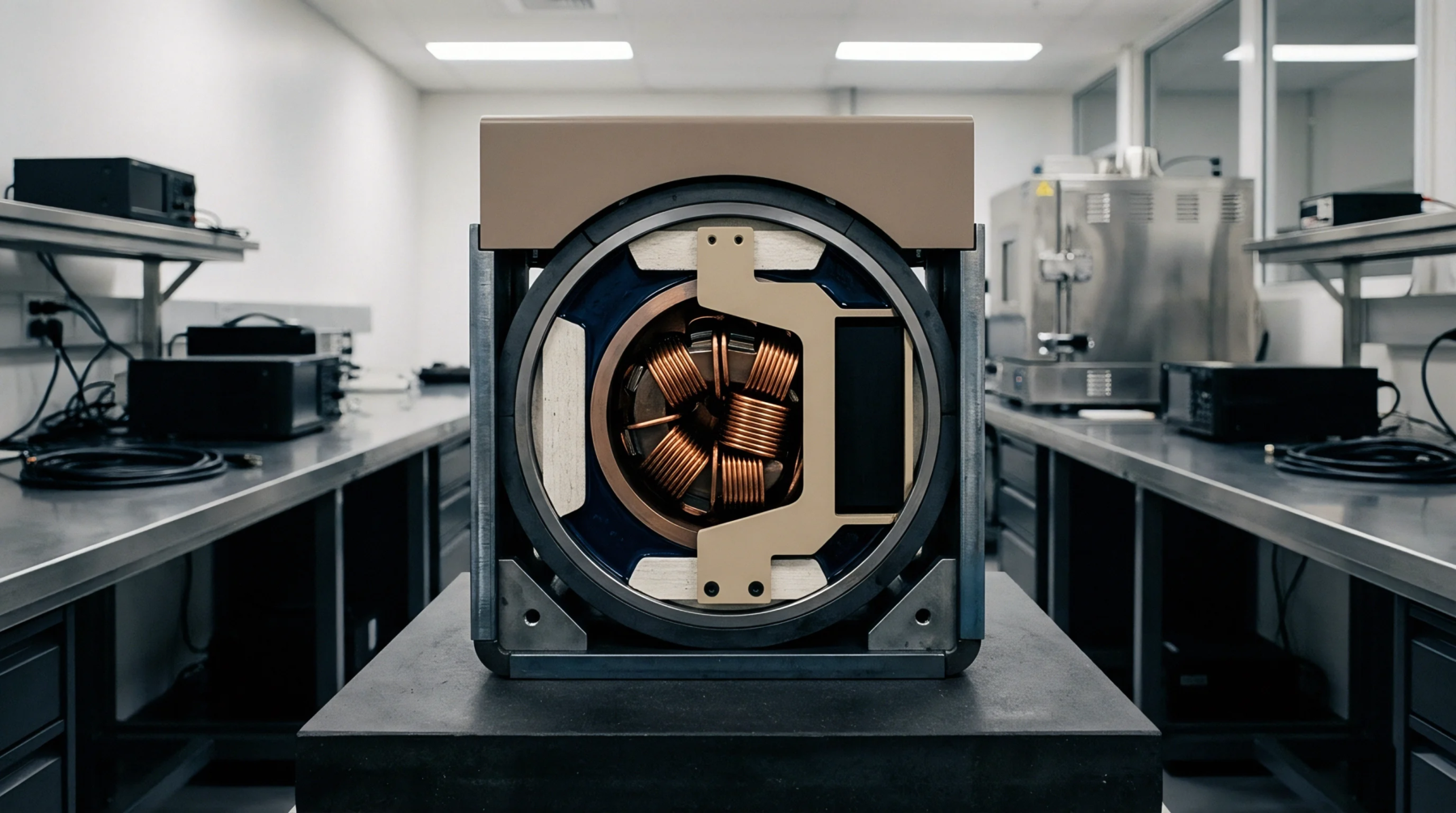
Electromagnetic coupling relies on the inductive interaction of alternating magnetic fields between two coils situated inside the non-radiative reactive zone of a transmitter. Near field coupling establishes a short range transmission channel where the operational distance remains significantly smaller than the wavelength of the carrier frequency. This physical phenomenon governs inductive power transfer and short distance data exchange inside portable enclosures, limiting efficiency beyond the immediate boundary of the induction coil perimeter.
Inductive Topology
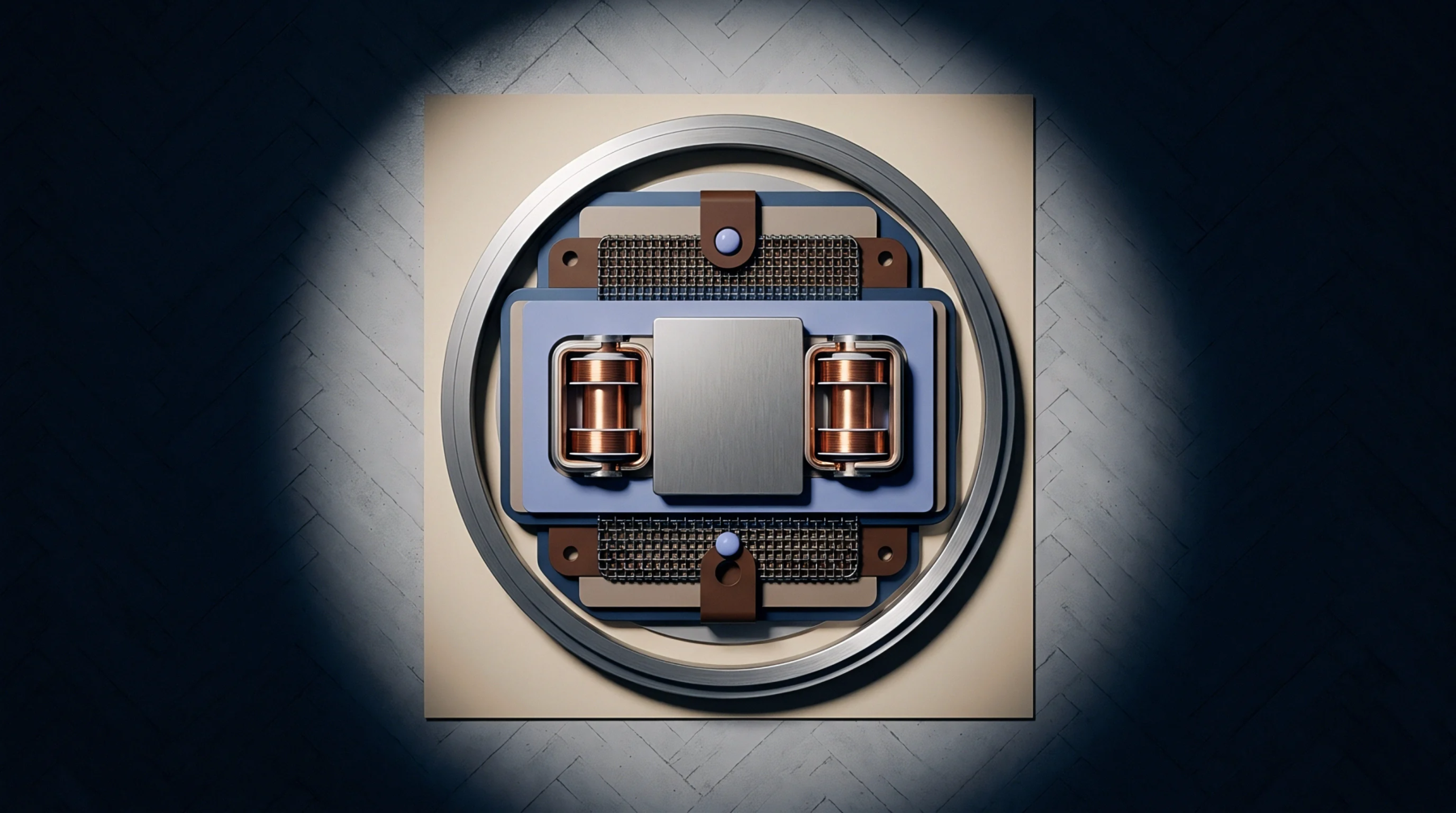
Antenna geometry dictates the mutual inductance available between adjacent printed circuit boards during mechanical assembly. Transmitting loops and receiving coils experience impedance shifts whenever metallic chassis components encroach upon the magnetic flux path inside the device housing. Engineers balance turns ratio against parasitic capacitance to preserve resonance stability during thermal expansion cycles.
Thermal Budget
High frequency current circulating through compact windings generates ohmic losses that elevate internal enclosure temperatures during continuous charging operation. Copper trace resistance combined with core hysteresis contributes to the thermal load transferred directly to neighboring semiconductor packages on the mother board. Design teams verify operating margins by monitoring steady state temperature rise during type approval testing before issuing production sign off documentation.
Field Confinement
Magnetic shielding materials restrict flux leakage from interfering with sensitive analog sensors mounted nearby on the same integration plane. Ferrite sheets absorb stray lines of force and prevent eddy current generation inside aluminum back covers. Laboratory technicians measure magnetic field attenuation using spectrum analyzers during electromagnetic compatibility compliance checks to confirm boundary containment before assembly release.