Meaning
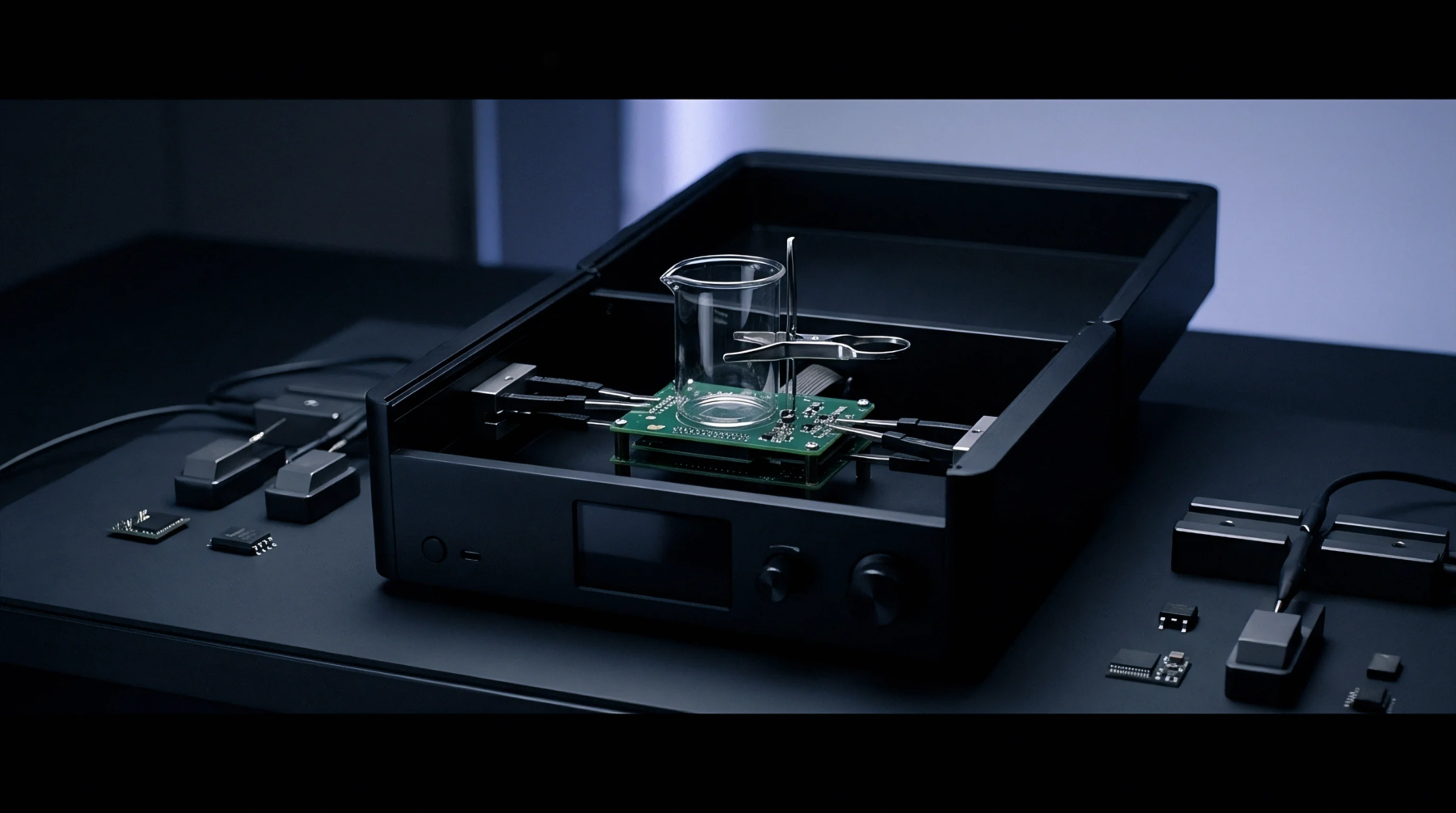
Radiated power measurement denotes the arithmetic mean of the receiver sensitivity across all directions of a spherical surface surrounding a mobile communication device. This total isotropic sensitivity provides a primary metric for assessing radio performance by accounting for signal reception quality in varying orientations. Test chambers house the device under study to capture these values across a full three dimensional field.
Equipment operators calculate the value by averaging the measured sensitivity levels obtained at different angles of rotation. Standards bodies define the thresholds required for certification to guarantee reliable connectivity under diverse environmental conditions. The measurement assumes a uniform distribution of incident power and ignores specific spatial interference patterns.
It stops applying when the device architecture moves from an omnidirectional antenna design to high gain directional systems that prioritize specific focal zones over general coverage.
Radiated Methodology
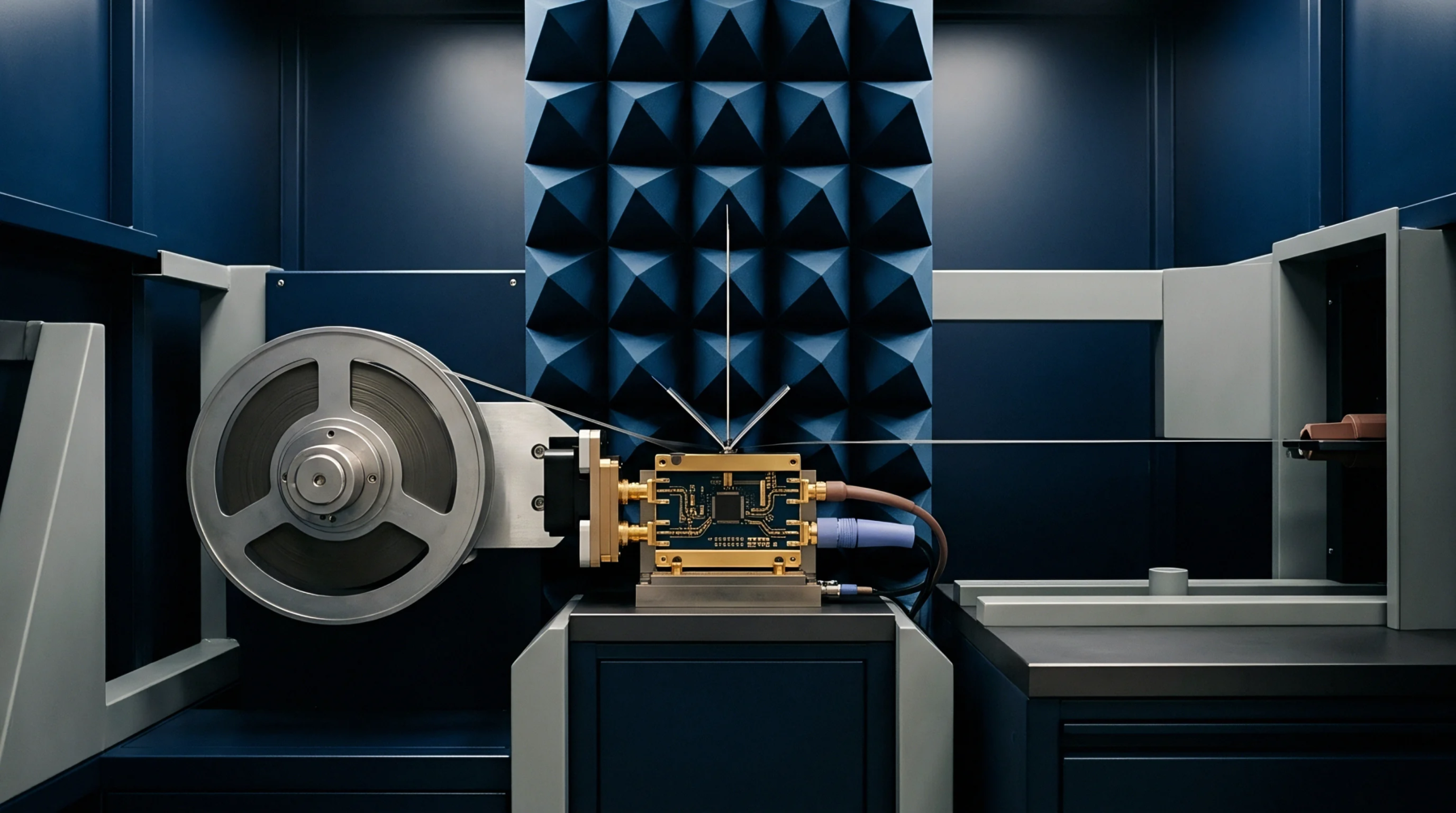
Engineers determine the value during a controlled procedure inside an anechoic chamber. They mount the device on a motorized turntable to cycle through a precise grid of coordinates. A signal generator emits a wave pattern that interacts with the receiver at each distinct position.
The hardware records the power level needed to maintain a bit error rate below a defined limit. Technicians gather these data points to compute the integration of the sensitivity pattern over the entire sphere. Signal loss through the enclosure and internal hardware interference directly affects the final numeric outcome for the prototype.
Performance Calibration
Designers utilize this measurement to gauge how antenna placement inside a dense chassis alters reception capability. Minor shifts in component positioning or battery orientation create significant variances in the signal absorption profile. A device performing well in a lab environment might fail real world deployment if the internal layout obstructs specific incoming signals from the periphery.
The calibration process identifies these blind spots early in the engineering phase to allow for corrective changes in the mechanical housing. Consistent sensitivity across the spherical measurement domain indicates a balanced antenna integration that reduces dropouts during handset movement.
Qualification Threshold
Regulatory bodies require this data as part of the formal certification documentation for network access approval. Approval teams examine the sensitivity results to ensure that a piece of hardware maintains a link with base stations regardless of user orientation or device tilt. The resulting verification confirms that the antenna system operates within the range necessary to support standard network protocols.
When these numbers fall below a required decibel limit, the hardware fails the certification cycle until physical modifications correct the reception deficiency. Failure to meet these specific requirements prevents the release of the hardware into the consumer market. A lower value in decibel milliwatts represents superior sensitivity because the receiver functions effectively on weaker incoming signals.