Meaning
Comprehensive dossier containing every item of technical evidence needed to demonstrate that a specific electronic product meets all regional and global compliance standards. It stays at the manufacturer headquarters or with an authorized agent as the definitive archive used to defend the product during official audits or market investigations. The technical construction file includes full circuit schematics, internal board layouts, material safety declarations and the actual reports from standardized laboratory testing.
It serves as the deep technical bedrock that supports the claims made in more public facing declarations like the eu doc or certificates of conformity. Any change to the firmware or hardware components must be carefully recorded inside this file to ensure the legal compliance chain is never broken. Maintaining this file is a mandatory legal requirement for companies placing devices into the international market.
Archive Structure
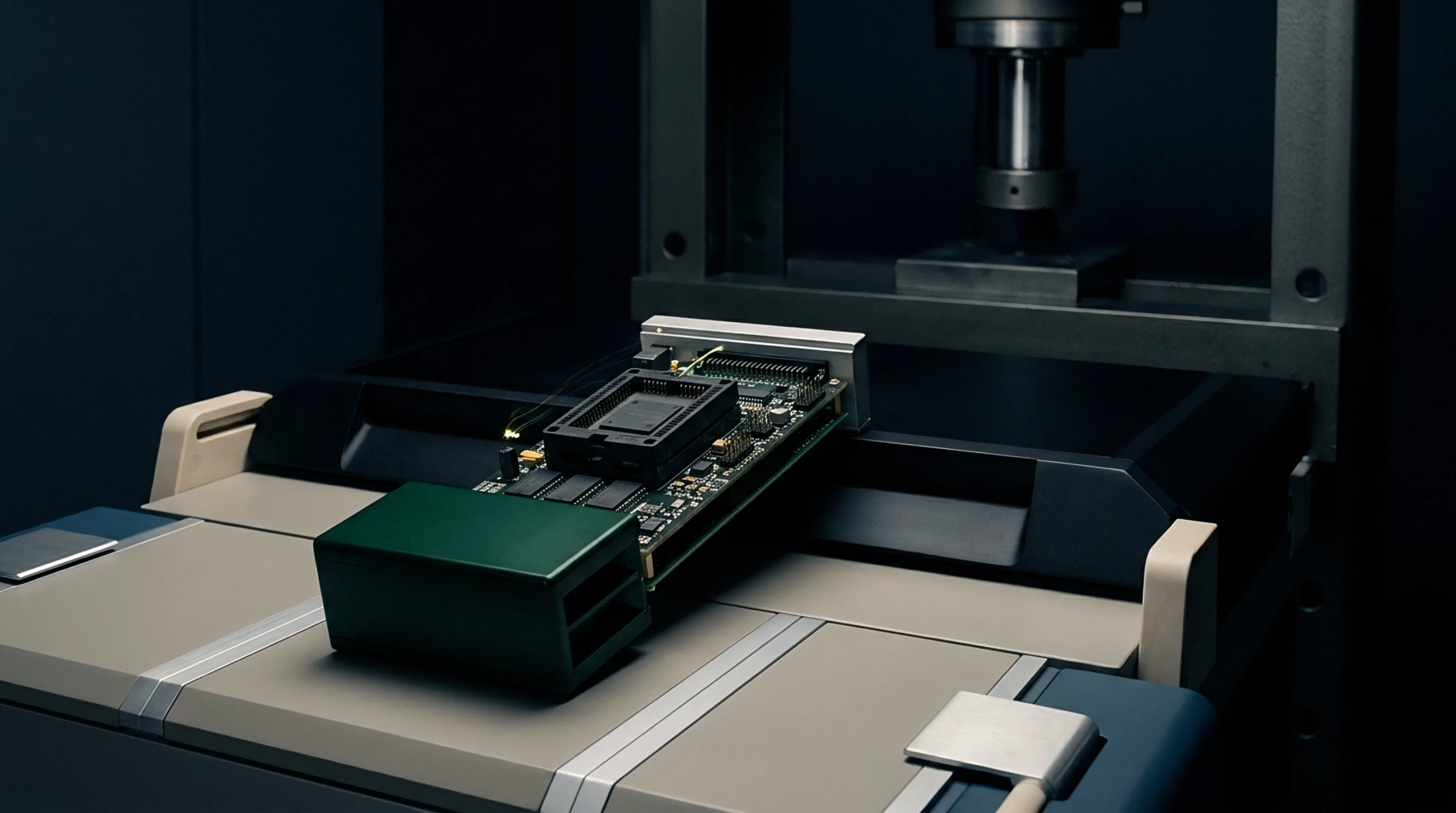
Organizing the documentation within a technical construction file requires a chronological list of test reports sorted by the specific regulatory requirements they satisfy. This list starts with initial prototyping logs and culminates in the final verified sweeps of production ready samples taken from the assembly line. It covers safety assessments for electrical shock alongside radio frequency emission results and evidence of hazardous material compliance.
Manufacturers must ensure that every sub component within the folder is up to date and correctly linked to the specific hardware revisions active in the field. When a company changes its supplier for external antennas, the details of the update and relevant verification data must land here immediately. This centralized storage simplifies the response to customer inquiries or legal challenges regarding the safe design of the connectivity gear.
Validation Purpose
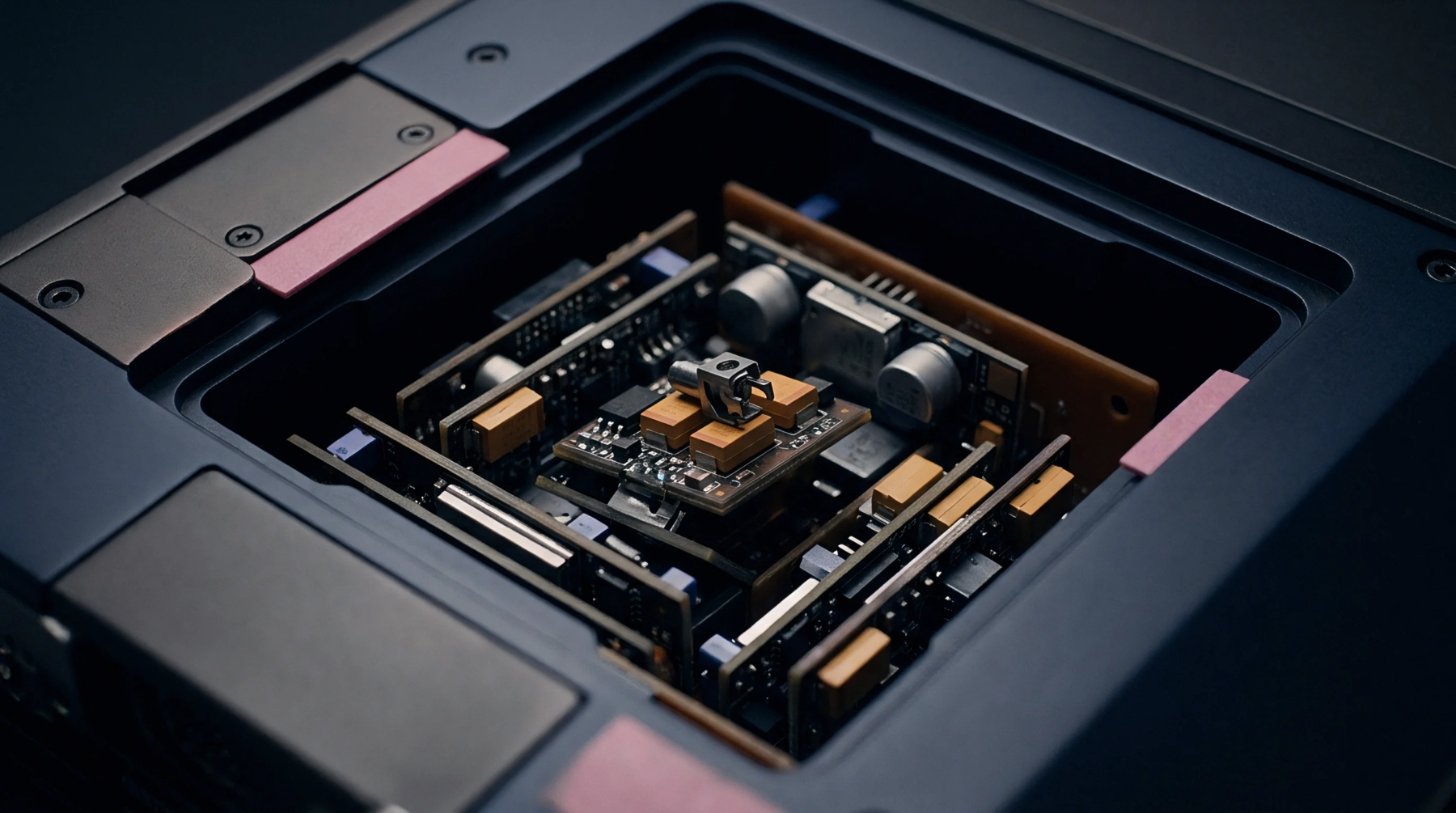
Regulatory inspectors from market surveillance bodies use the technical construction file as their primary point of check when verifying that labels match actual technical performance. It identifies which specific modules are integrated into the host and how those modules are configured to maintain their approved behavior. By including photographs of the internal hardware, the folder prevents unauthorized modifications from going unnoticed in the commercial supply chain.
The folder also provides the instructions needed to reconstruct the original test environment should a lab failure need to be replicated or troubleshot. Successfully maintaining this folder proves that the brand prioritizes technical honesty and systematic verification over simple commercial expediency. It is an essential asset during any safety audit that could lead to widespread product recalls.
Revision Cycle
Updating the data inside the technical construction file happens every time a software patch alters the transmission power or when a mechanical component is replaced. This activity ensures that the document remains a live representation of the units currently stored in warehouses around the globe. If obsolete tests are kept without clear replacement markers, the file could fail an audit due to a lack of current data.
Professional compliance leads assign specific revision numbers to the folder to match the product lifecycle stages and regional variants. This clarity protects the profit of the organization by avoiding the massive fines that occur when authorities find incomplete or misleading documentation packages. Regular reviews of this content prepare the engineering team for future upgrades without duplicating expensive foundational lab work.