Meaning
Electromagnetic behavior occurring within a conductive enclosure where certain frequencies create standing wave patterns. Internal reflections within the metal box coincide with an integer multiple of the half wavelength of a signal to create the effect of cavity resonance. The internal space acts as a resonator that amplifies energy at specific frequencies while suppressing it at others.
Modal Frequency
Internal geometry of the housing dictates the specific points where energy builds up. Calculations for these modes rely on the length, width, height, and volume of the void. A rectangular cavity has a fundamental frequency identified by the lowest order mode.
Enclosure Suppression
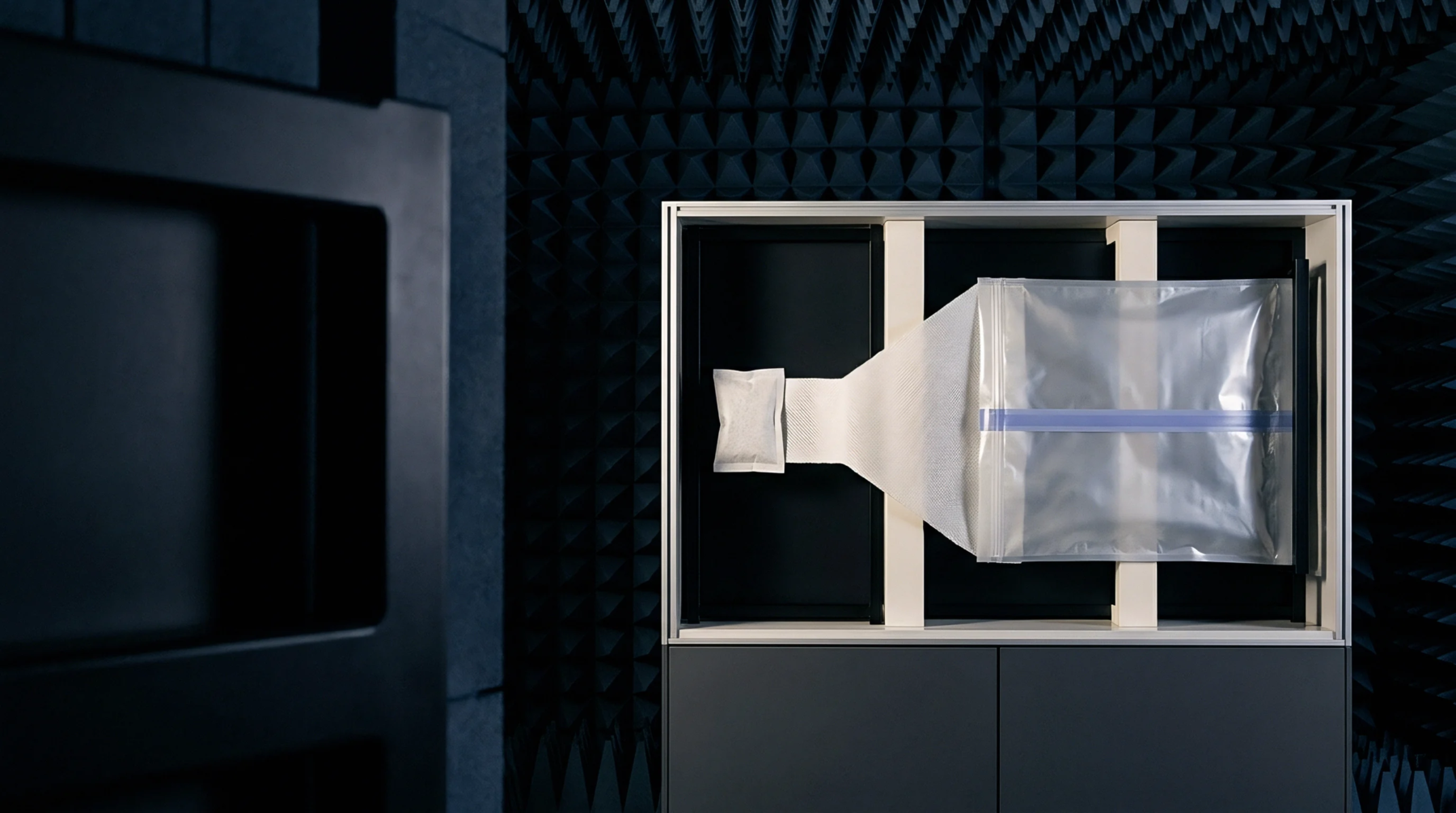
Managing the internal reflections requires the introduction of lossy materials or structural changes. Ferrite absorbers convert the circulating magnetic energy into heat to dampen the effect. Placing these materials at the points of maximum field intensity provides the most efficient reduction.
Another method involves the use of internal walls to break the volume into smaller sections with higher resonant frequencies that sit above the operating range.
Signal Impact
Uncontrolled resonance interferes with the performance of sensitive radio circuits. Coupling between traces increases when the enclosure supports a resonant mode at the frequency of the signal. This leads to unintended feedback or increased radiated emissions during compliance testing.
A stable design maintains the resonance well away from the fundamental clock or carrier frequencies.