Meaning
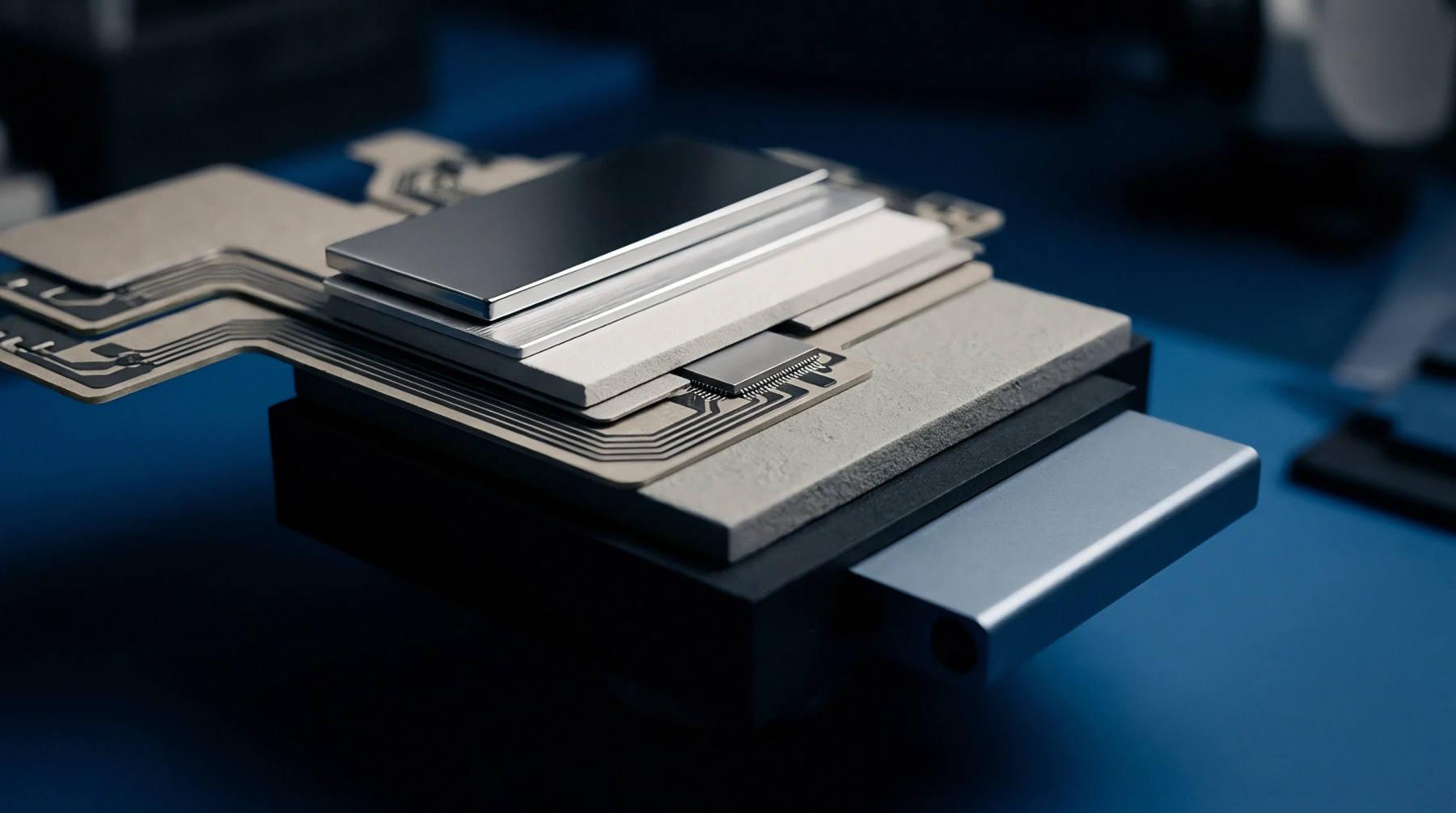
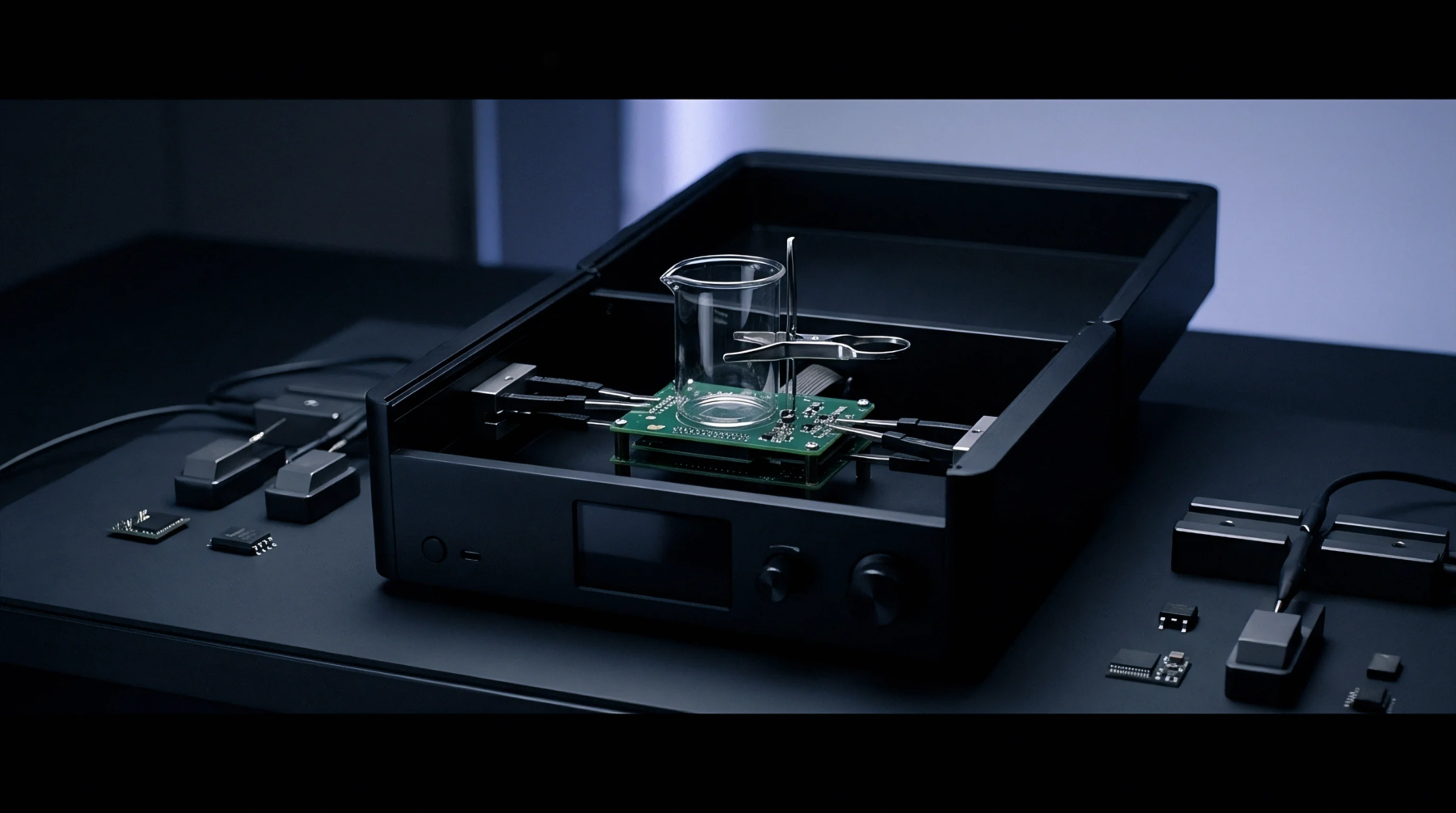
Dissipation factors describe the ratio of energy lost as heat to the energy stored in a dielectric material when subjected to an alternating electric field. The loss tangent is a critical parameter in the selection of printed circuit board substrates for high-frequency designs. Higher values indicate that the material will convert more of the radio signal into thermal energy, which reduces the range of an antenna.
Signal Attenuation
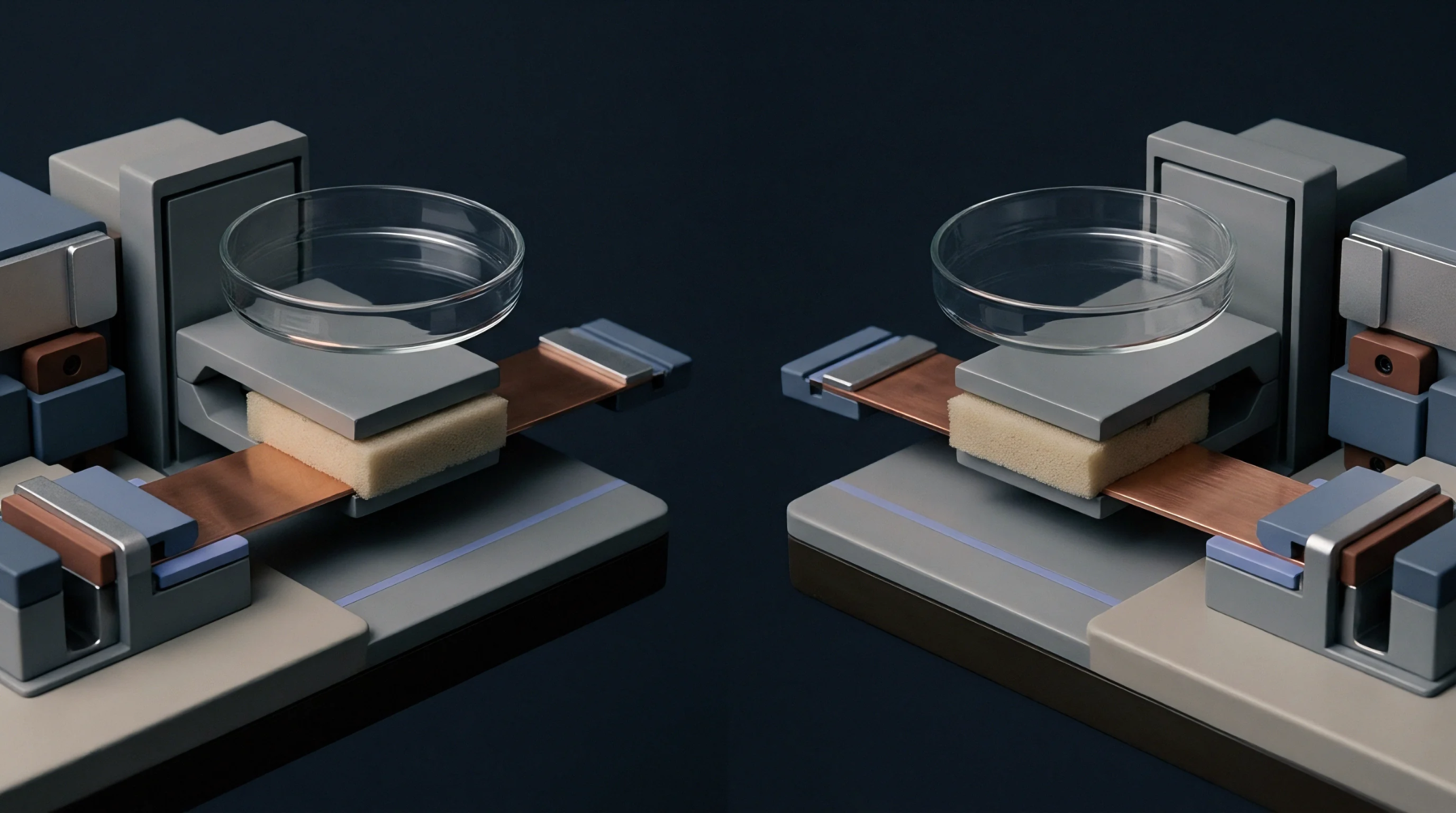
Waves traveling through a medium with a high dissipation factor experience a rapid decrease in amplitude. This effect becomes more pronounced as the frequency increases into the gigahertz range. Designers choose materials like teflon or specialized ceramics for microwave applications to minimize these transmission losses.
By reducing the energy absorbed by the board, the system maintains a higher signal-to-noise ratio at the receiver.
Thermal Dissipation
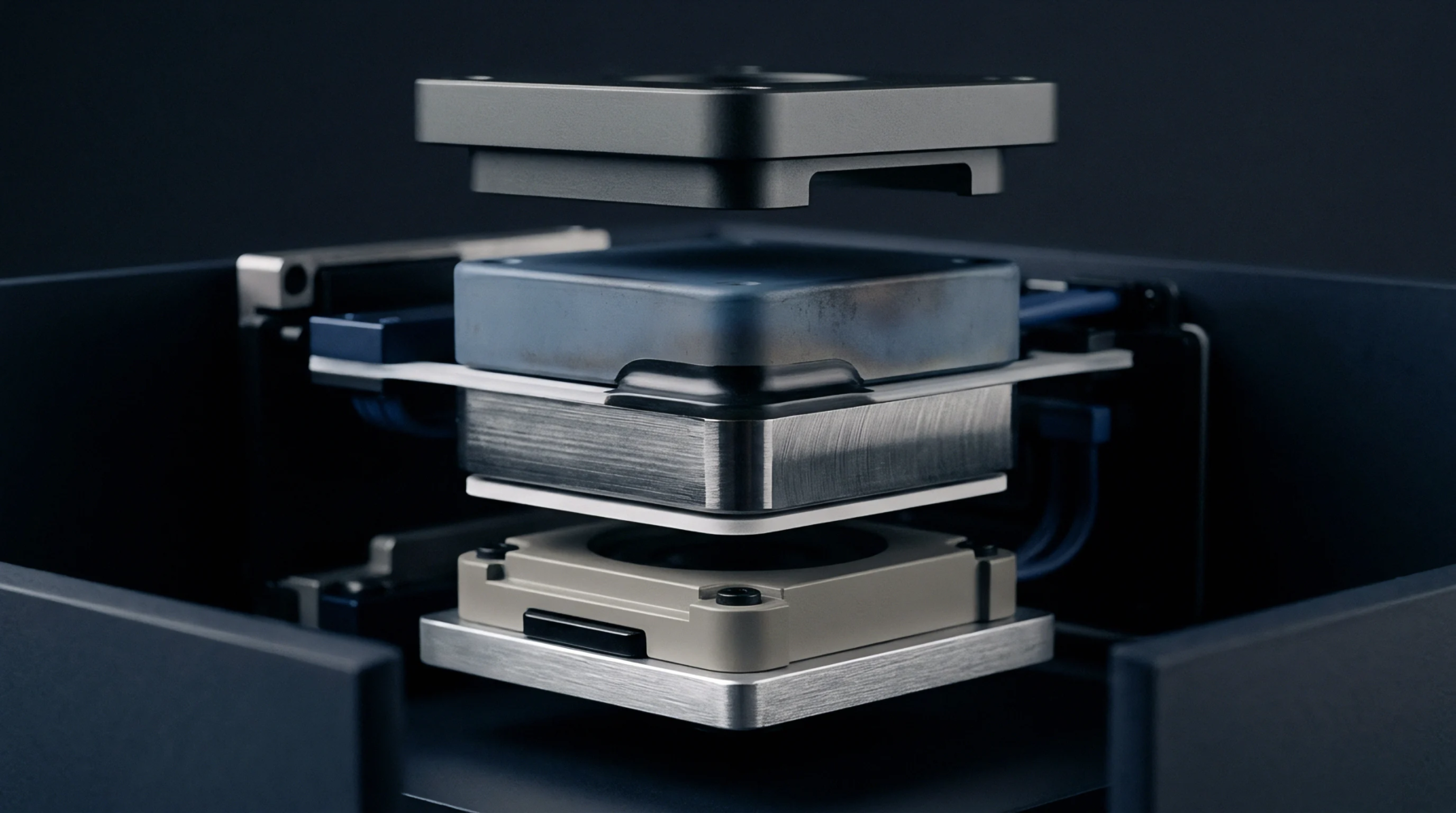
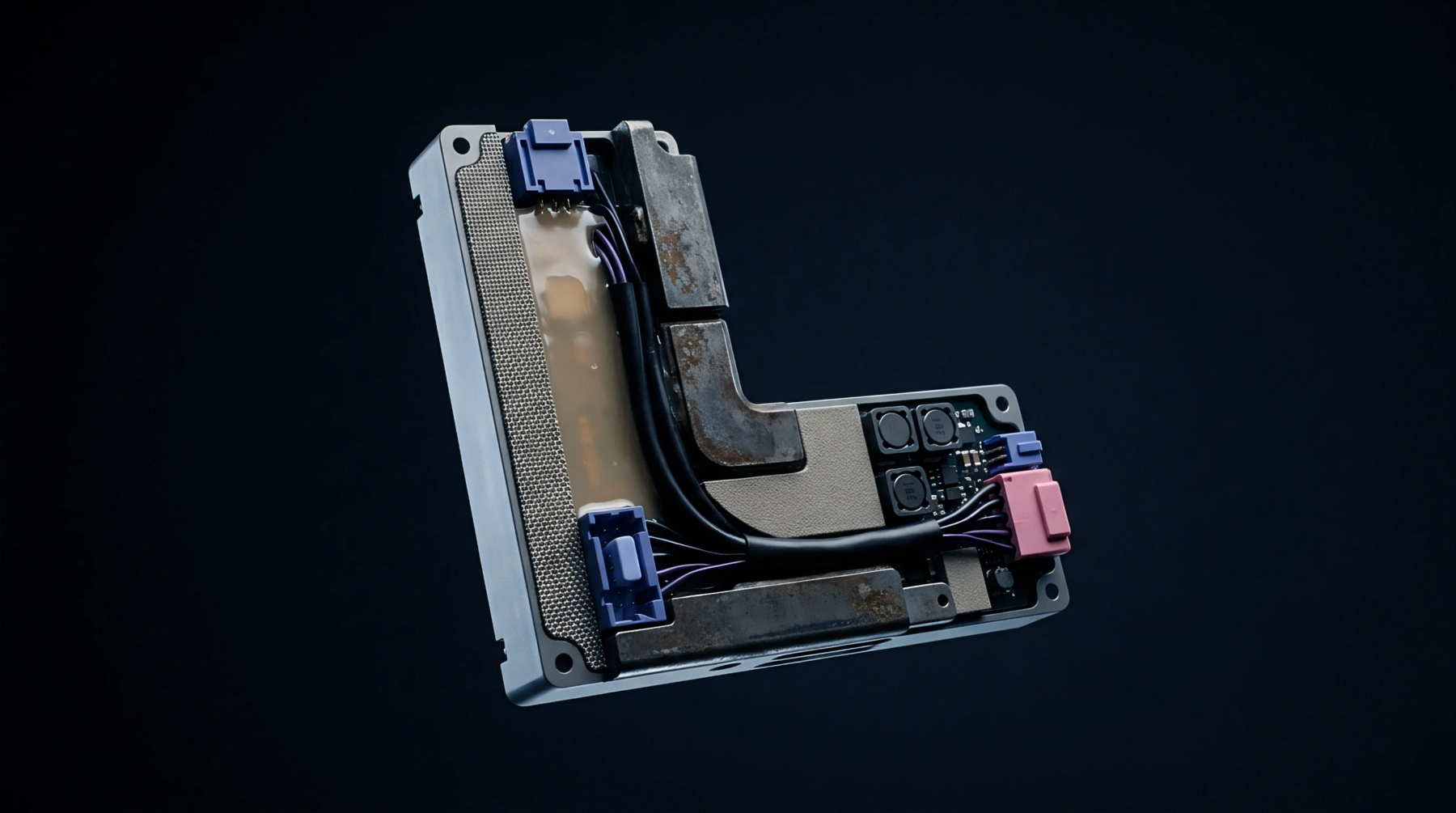
Energy absorbed by the substrate does not simply disappear but manifests as a temperature rise within the board. In high-power transmitters, this heat can lead to the delamination of copper traces or the failure of nearby components.
Material Selection
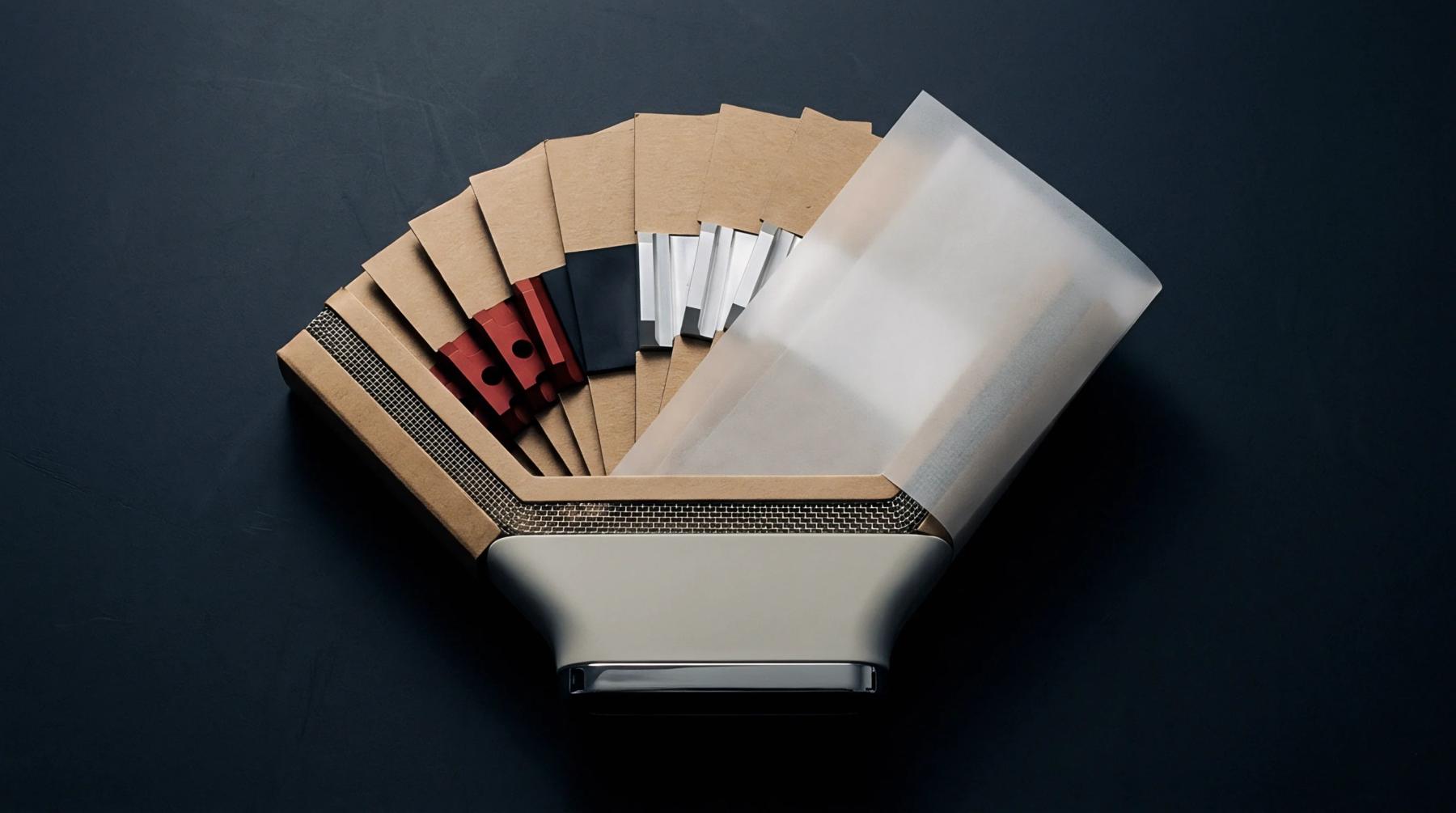
Standard glass-reinforced epoxy boards are inexpensive but exhibit poor performance at high frequencies. Higher quality laminates offer a lower loss tangent at the cost of increased manufacturing complexity.