
Co Located Multi Transmitter RF Intermodulation Pre Scan Verification
Pre-scan verification of co-located multi-transmitter intermodulation prevents restricted band failures and costly re-spins before final market filings.
Pre-scan verification of co-located multi-transmitter intermodulation prevents restricted band failures and costly re-spins before final market filings.
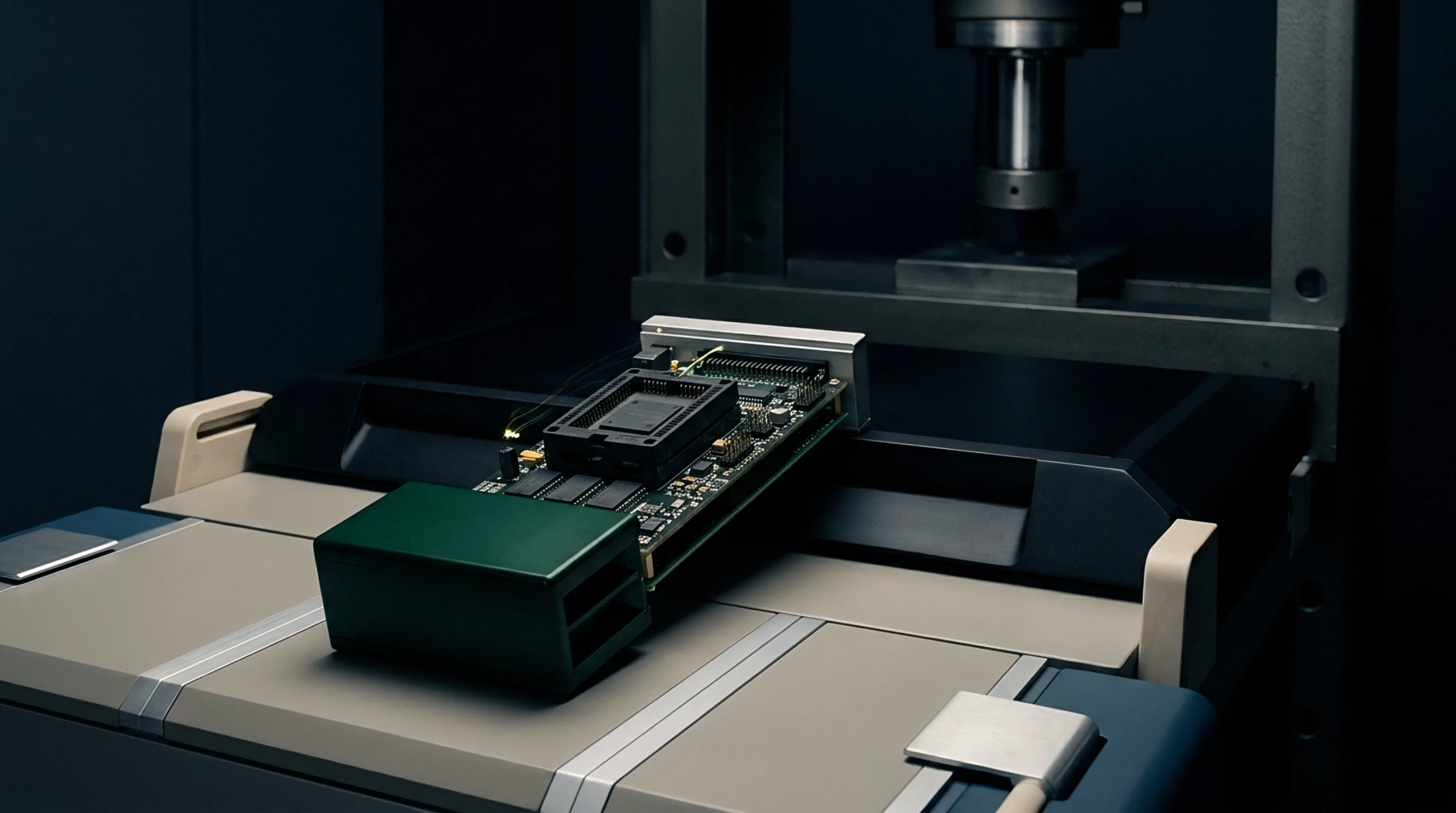
Tripartite escrow covenants allow host integrators to release proprietary RF firmware source code directly to EU market surveillance auditors during compliance audits.

Resin variations alter near-field dielectric loading, detuning antennas and triggering costly re-testing to maintain market authorization grants.

Altering modular radio host enclosures requires Class Two Permissive Changes when material shifts detune antennas or elevate radiated spurious emissions.

Host enclosure modifications alter near field dielectric loading pulling antenna resonance out of band, degrading radiated efficiency, and forcing regulatory filings.

Host entry audits validate embedded transmitter grants by cross-referencing host antenna gain, spurious radiation reports, and local regulatory filings.

Dynamic reserve models weight empirical lab failure rates and schedule downtime penalties across target export regimes to price true host radio approval risk.

A unified radio test plan executed in accredited chambers minimizes duplicate scans, reduces retest risks, and opens multi-market regulatory approval streams.

Class Two Permissive Changes are triggered when physical, antenna, or firmware modifications alter RF emissions or RF exposure without exceeding original grant limits.

Modular radio updates split into minor Class I file updates and major Class II filings based on measured shifts in radiated power, emissions, and frequency bands.

Hardware encryption power spikes trigger regulatory test failures, extending logistics label type approval timelines by eight to fourteen weeks across global markets.

Hardware root of trust integration requires active bus testing and targeted permissive change filings to preserve modular radio compliance across global markets.

Selecting secure hardware for off-grid tags requires balancing cryptographic active bursts against primary cell passivation and radiated spurious emission limits.
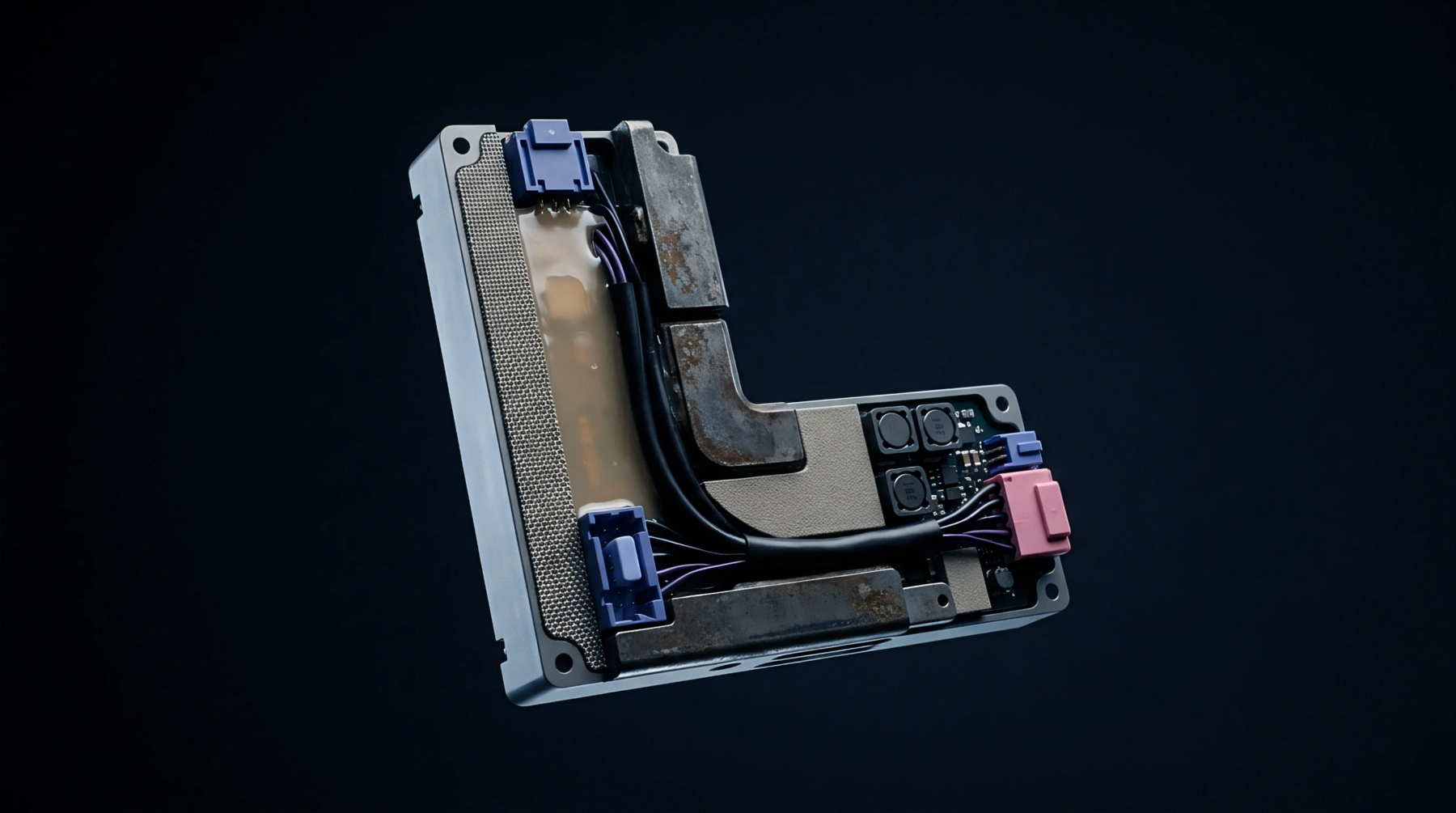
Internal metallic cavity modes coupling into co-located sub-6GHz radios create desense and spurious failures controllable by absorber placement and enclosure sizing.

Radiated spurious emissions in multi-radio designs demand aggressive board-level isolation and predictive intermodulation filtering to secure market approvals.

Unbroken ground planes beneath RF traces and tight stitching via spacing eliminate parasitic slot radiation and prevent costly regulatory chamber retests.

Trap-rich polysilicon layers beneath buried oxide pin interface carriers to eliminate parasitic conduction and lower sub-6 GHz harmonic generation.

Dual-function wireless transceiver modules classify under HS code 8517.62 as finished transmission apparatus under General Rules of Interpretation 1 and 6.

Maintain explicit grantee agency agreements and independent grant lineages to execute multi-market permissive changes when module vendors alter hardware.

Minimum antenna separation depends on transmitter power, receiver blocking thresholds, intermodulation mixing products, and regulatory simultaneous exposure ratios.

Antenna detuning shifts transmitter power amplifier load impedance away from nominal conjugate match, slashing power added efficiency and draining battery reserves.

Resolving host enclosure resonances relies on identifying cavity modes and sealing seam apertures before submitting embedded radios for regulatory scans.
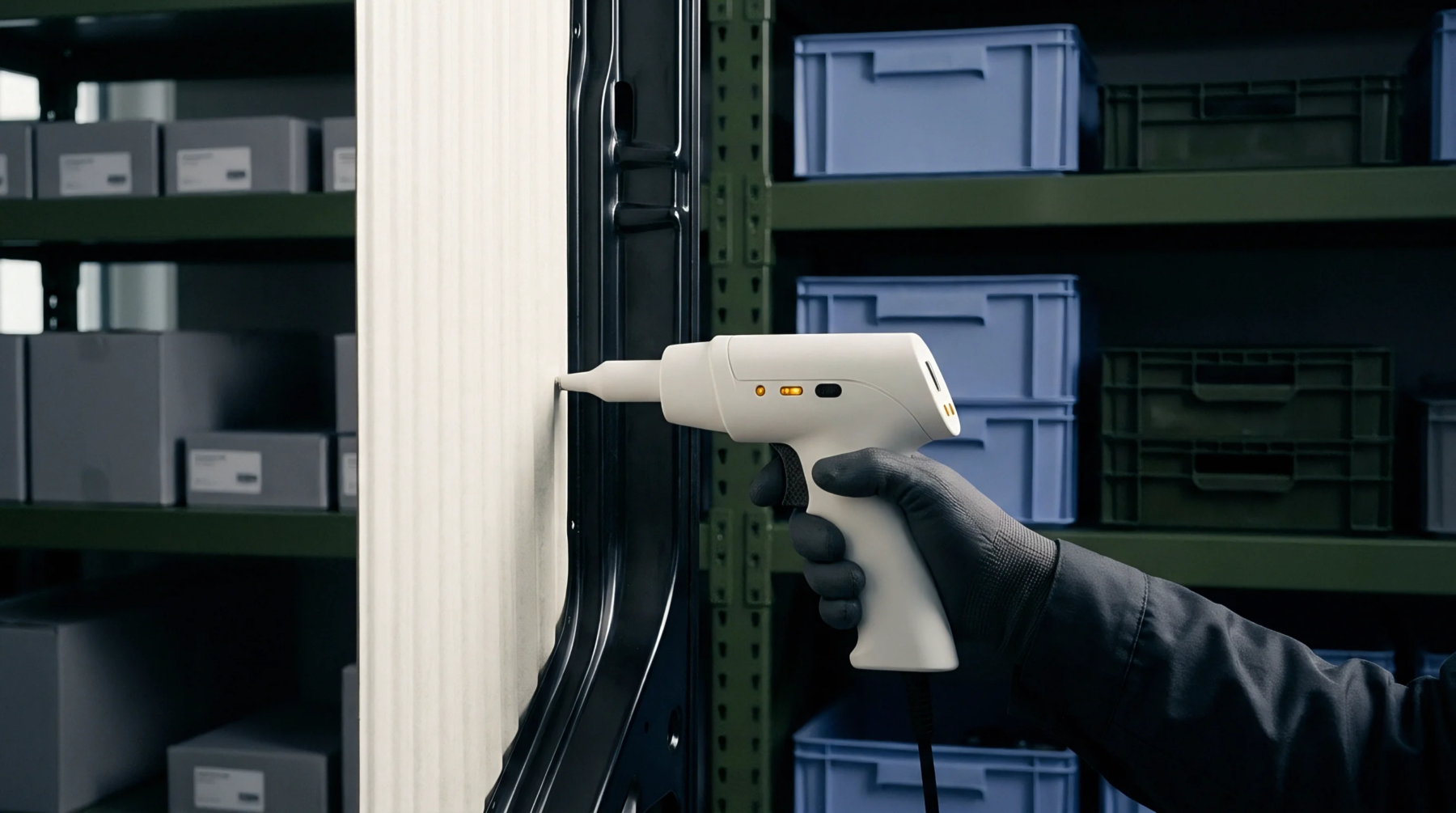
Diagnosing parasitic radiated emissions requires tracing clock harmonic return loops, suppressing cavity resonance, and validating simultaneous transmission grants.

Reconciling international MRA discrepancies in modular radio dossiers requires structured delta testing to satisfy regional radiated limits and CAB scopes.
Aggressive dynamic CCA elevation trades spatial isolation for medium concurrency, raising co-channel interference floors and forcing MCS drops on distant stations.

Verify laboratory regulatory recognition listings rather than general accreditation badges to prevent unbudgeted retesting and market entry delays.

IEEE 802.11ax OBSS-PD threshold scaling elevates preamble detection up to -62 dBm while mandating a proportional 1:1 transmit power back-off to balance reuse.
Dynamic Clear Channel Assessment adjusts signal detection thresholds to suppress deferral and restore airtime in high-density Wi-Fi networks.
Expertise is a utility, not a secret. sentiention™ publishes its working knowledge as open reference: intelligence layer covering the materials it sources, the markets it enters, and the reference that serves both.