
Comparing LoRaWAN Spreading Factor Airtime Costs against Cellular Repetition Overhead
SF12 airtime expands energy consumption by sixty-four times over SF7 while NB-IoT repetitions multiply battery drain linearly per transport block transmission.

SF12 airtime expands energy consumption by sixty-four times over SF7 while NB-IoT repetitions multiply battery drain linearly per transport block transmission.

Resolve third-party IP impasses during radio conformity audits by using direct regulatory sub-dockets, pre-negotiated escrow covenants, and sealed test binaries.

Statutory possessory liens override arbitral emergency surrender orders until the buyer confirms the order in local court or substitutes cash escrow.
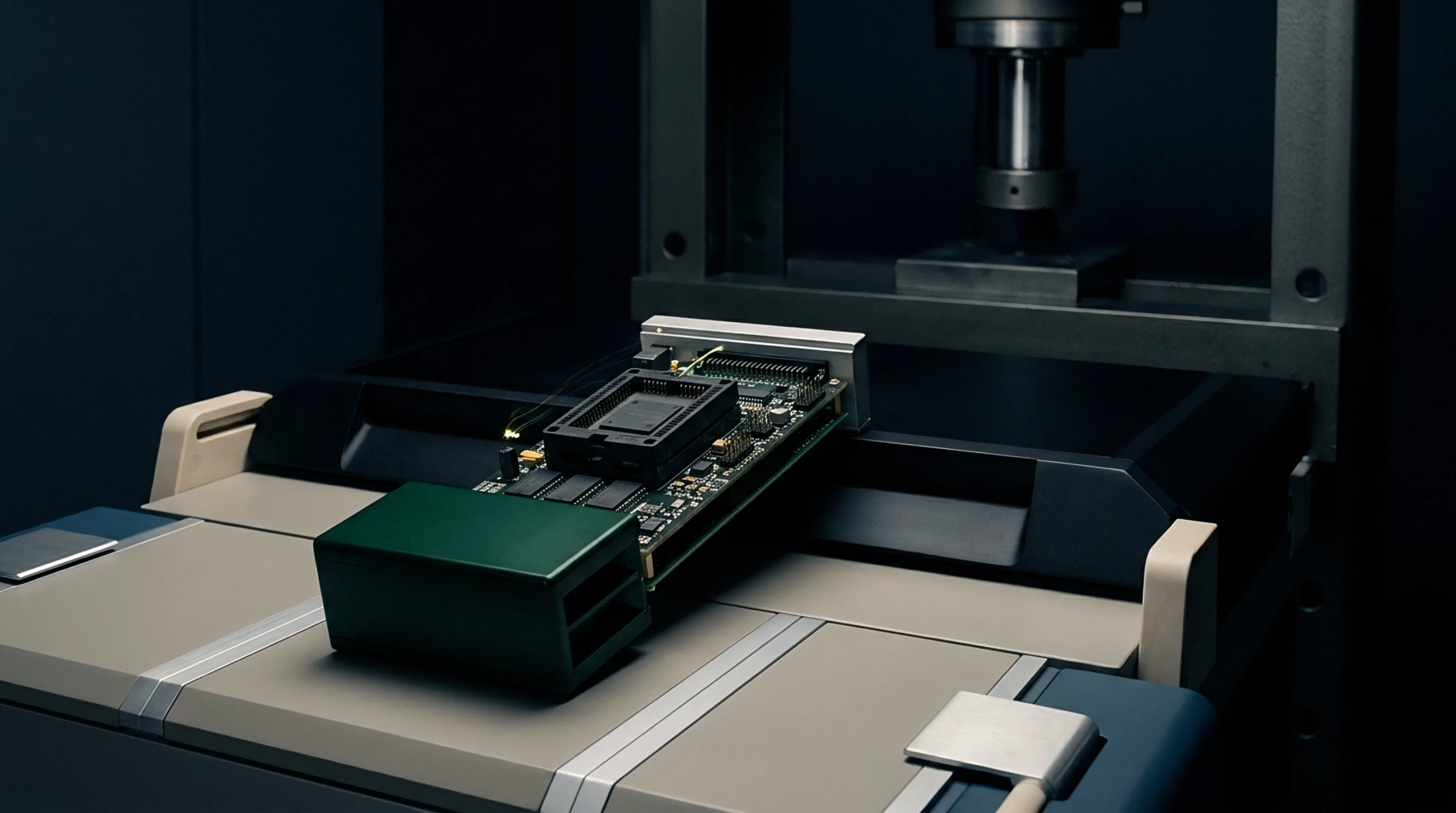
Tripartite escrow covenants allow host integrators to release proprietary RF firmware source code directly to EU market surveillance auditors during compliance audits.

Cross-border tooling recovery requires local asset registry filings, physical marking, and explicit statutory lien waivers to defeat local retention claims.
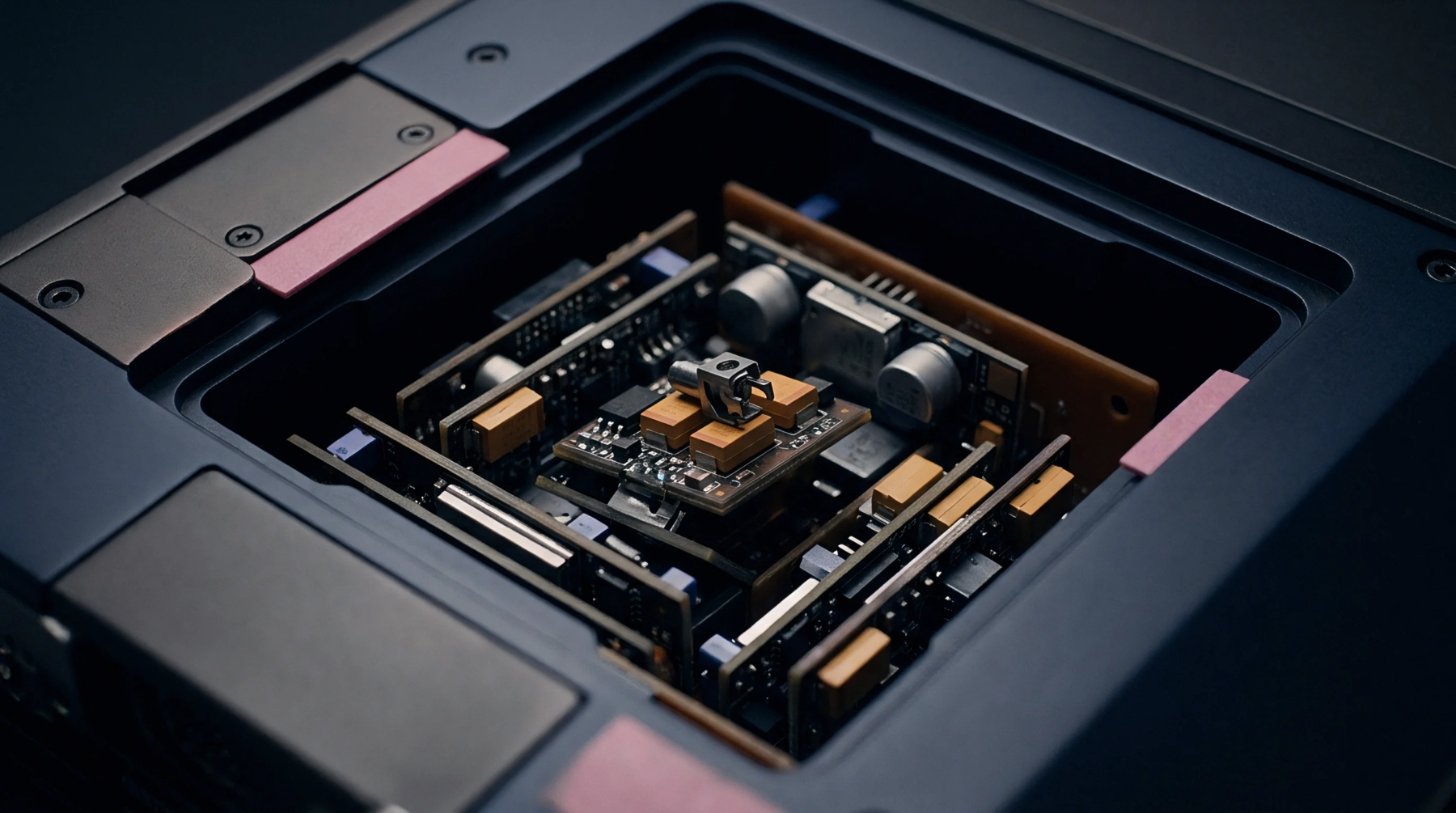
Escrow depositories safeguard module IP while providing host integrators verified technical construction files required for regulatory compliance audits.
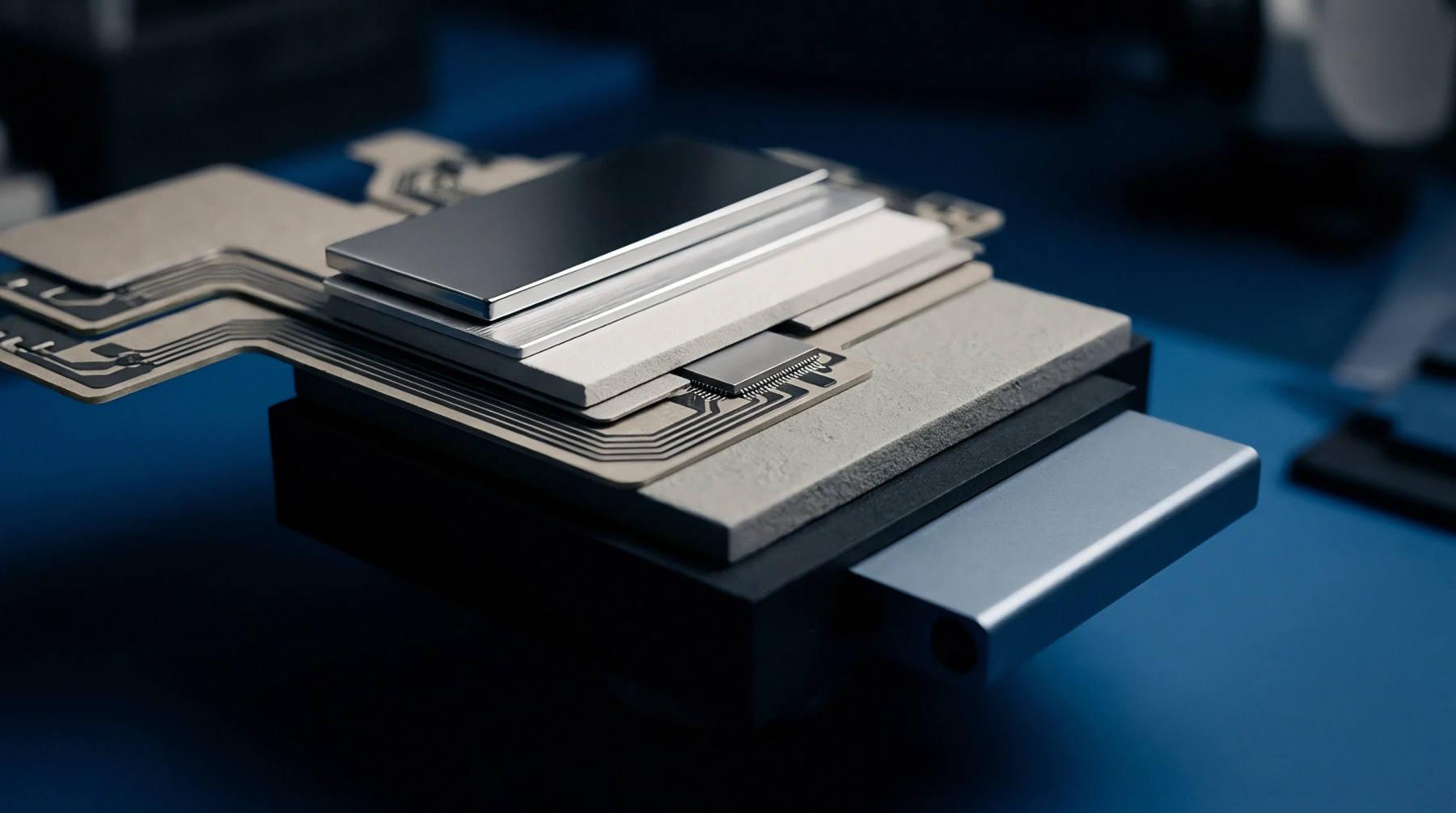
Resin variations alter near-field dielectric loading, detuning antennas and triggering costly re-testing to maintain market authorization grants.
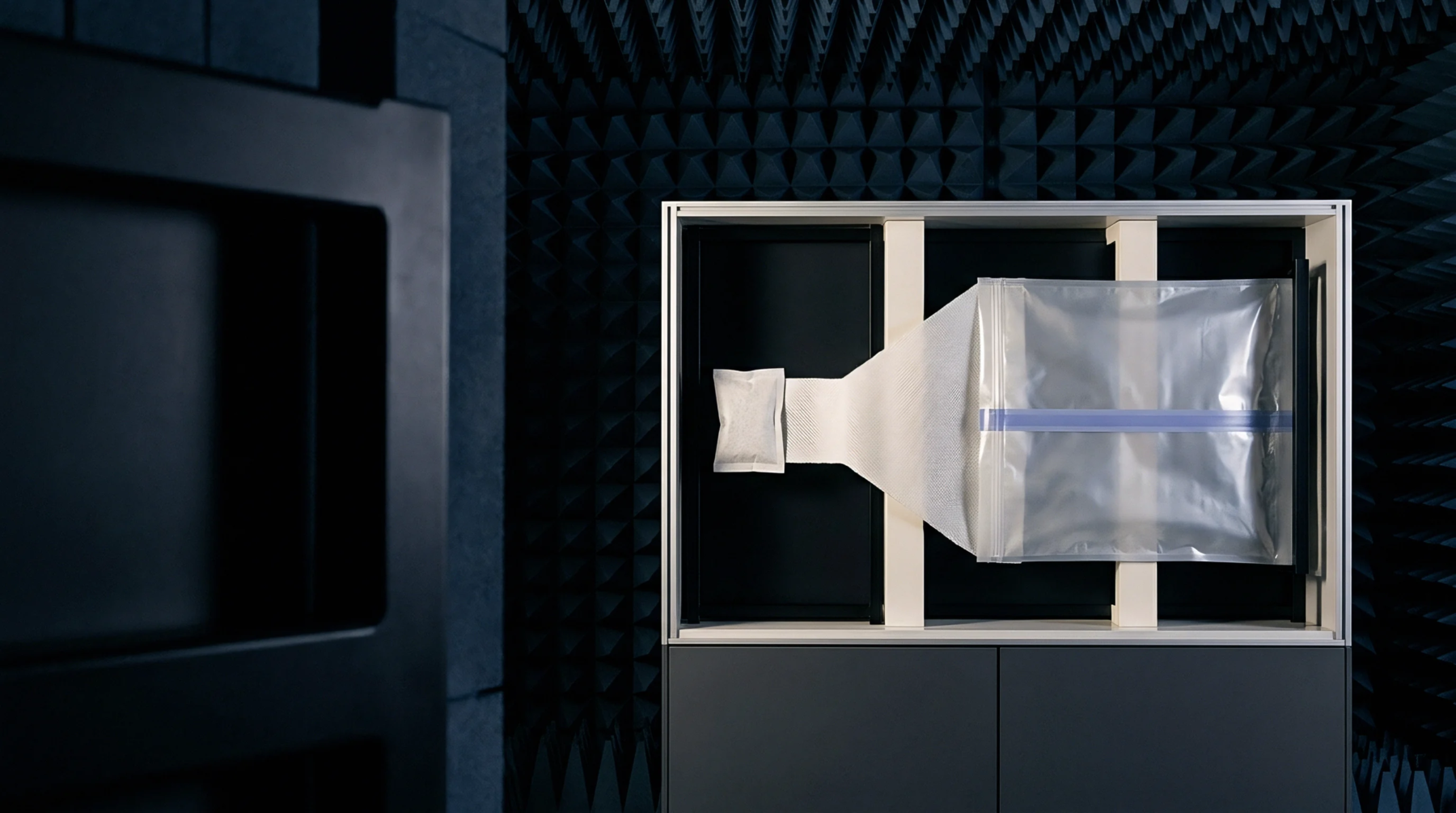
Emergency arbitral surrender orders break factory possessory liens only when paired with cash substitute security and local court replevin writs.
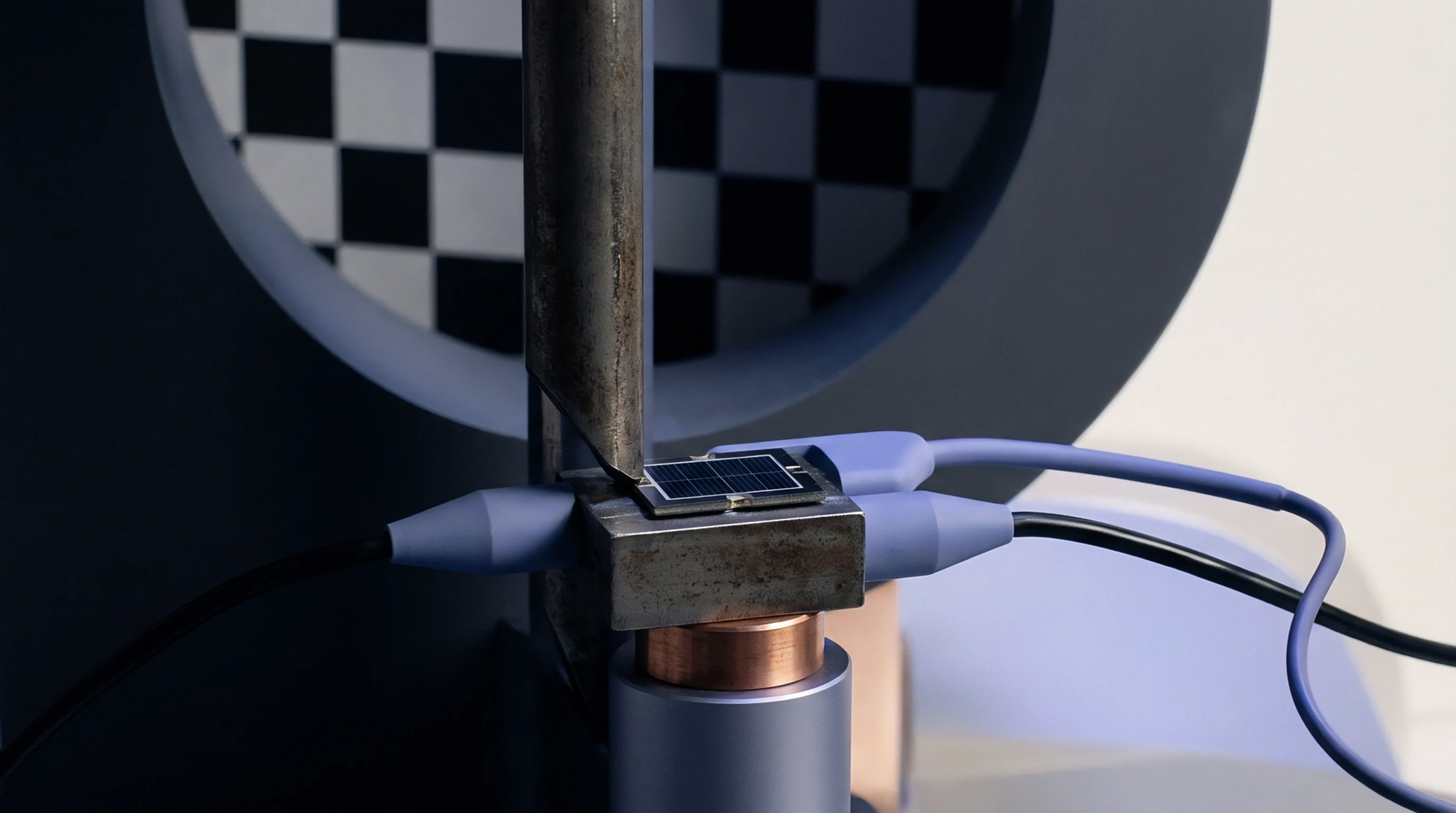
Manage dynamic contact resistance drift by isolating sense lines with four-wire Kelvin probes and active cooling to prevent electrothermal asperity creep.

Altering modular radio host enclosures requires Class Two Permissive Changes when material shifts detune antennas or elevate radiated spurious emissions.

Sub-GHz link margin calculations require combining receiver sensitivity, regulatory power limits, log-distance path loss, and enclosure detuning losses.

Guardbanding converts metrological measurement uncertainty into tightened acceptance limits to prevent defective production lots from reaching field deployment.

Dynamic guard window algorithms prevent link loss under severe thermal swings by adjusting sub-GHz receive windows to crystal thermal lag and temperature derivative rates.
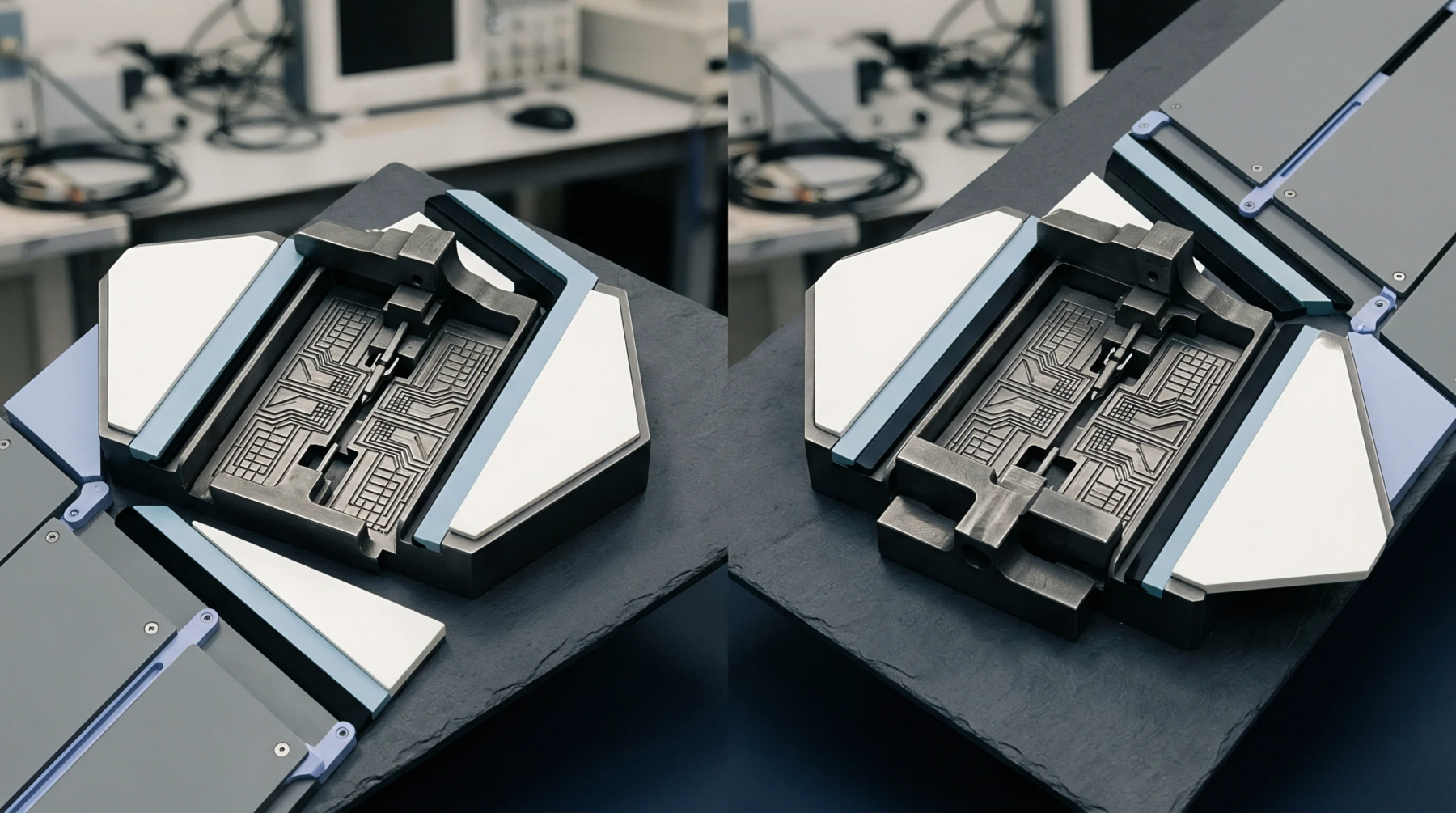
Designing automated contact interface boards for high-volume semiconductor testing requires balancing pin wiping mechanics, high-frequency signal integrity, and mechanical stiffener design to prevent substrate deflection under multi-hundred-kilogram contactor loads.
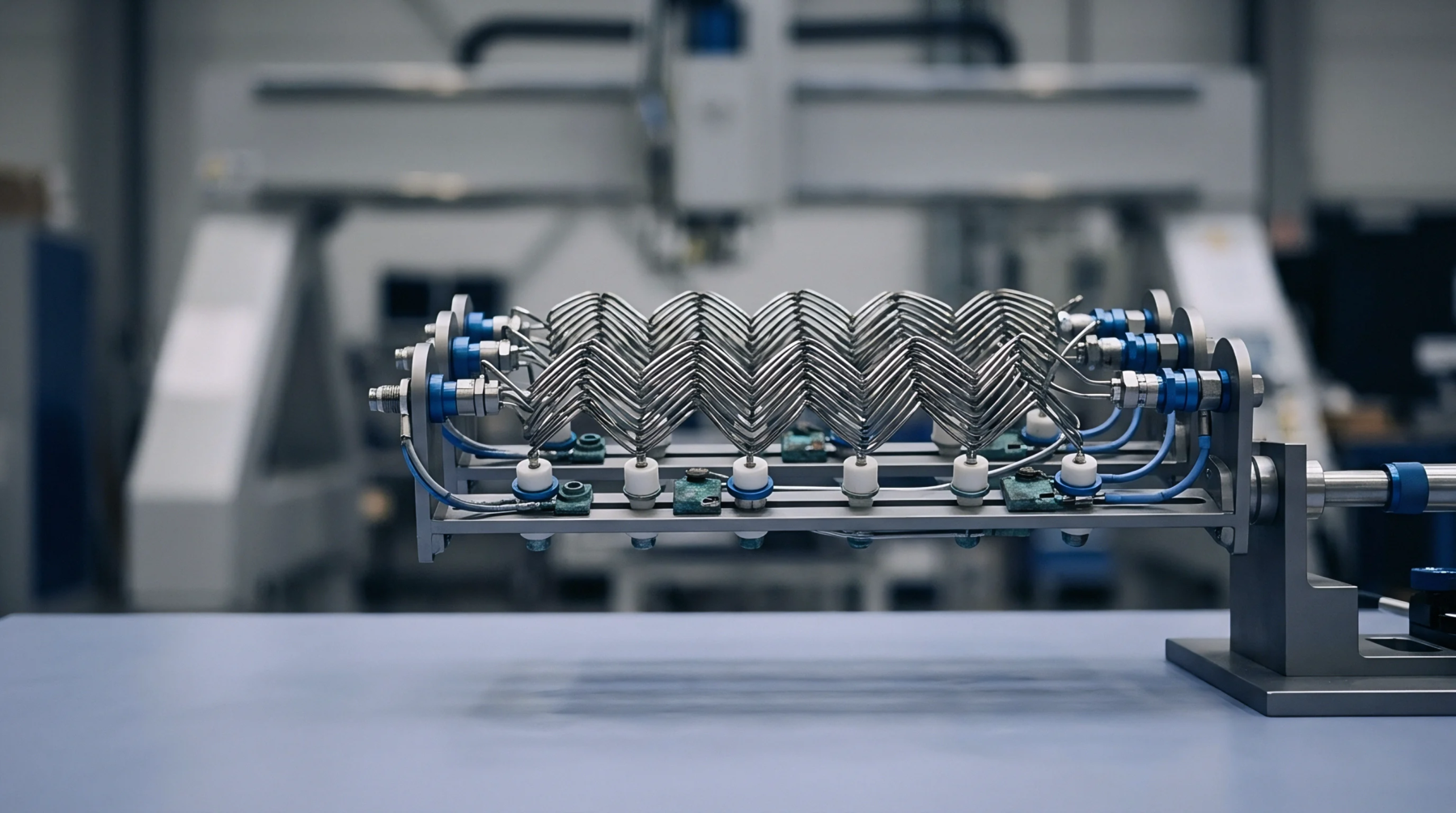
Escrow strategies for custom modules require verified native EDA files, clear IP boundaries, and explicit release covenants to mitigate supply lock-in.

Host enclosure modifications alter near field dielectric loading pulling antenna resonance out of band, degrading radiated efficiency, and forcing regulatory filings.

Installing certified wireless modules into custom metal enclosures shifts radiated spurious profiles, demanding Class II permissive changes when margins breach.

Sub-GHz real-time clock drift stems from tuning fork parabolic frequency shifts, forcing widened radio receive guard windows that drain battery reserves.

Gerber netlist verification requires 100% IPC-D-356 parity against graphical artwork and signed EQ closure before NRE tooling disbursements unlock.

Turnkey wireless module source handovers demand native CAD databases, compiled BSP source trees, test fixture scripts, and explicit IP assignment clauses.

Standardized machine-readable microcode errata manifests enable automated continuous static analysis tools to block hardware execution flaws during codebase transfers.

Port customs EMC audits evaluate physical host enclosure integrity and radiated emissions to halt non-compliant imported hardware before entry.

Host entry audits validate embedded transmitter grants by cross-referencing host antenna gain, spurious radiation reports, and local regulatory filings.
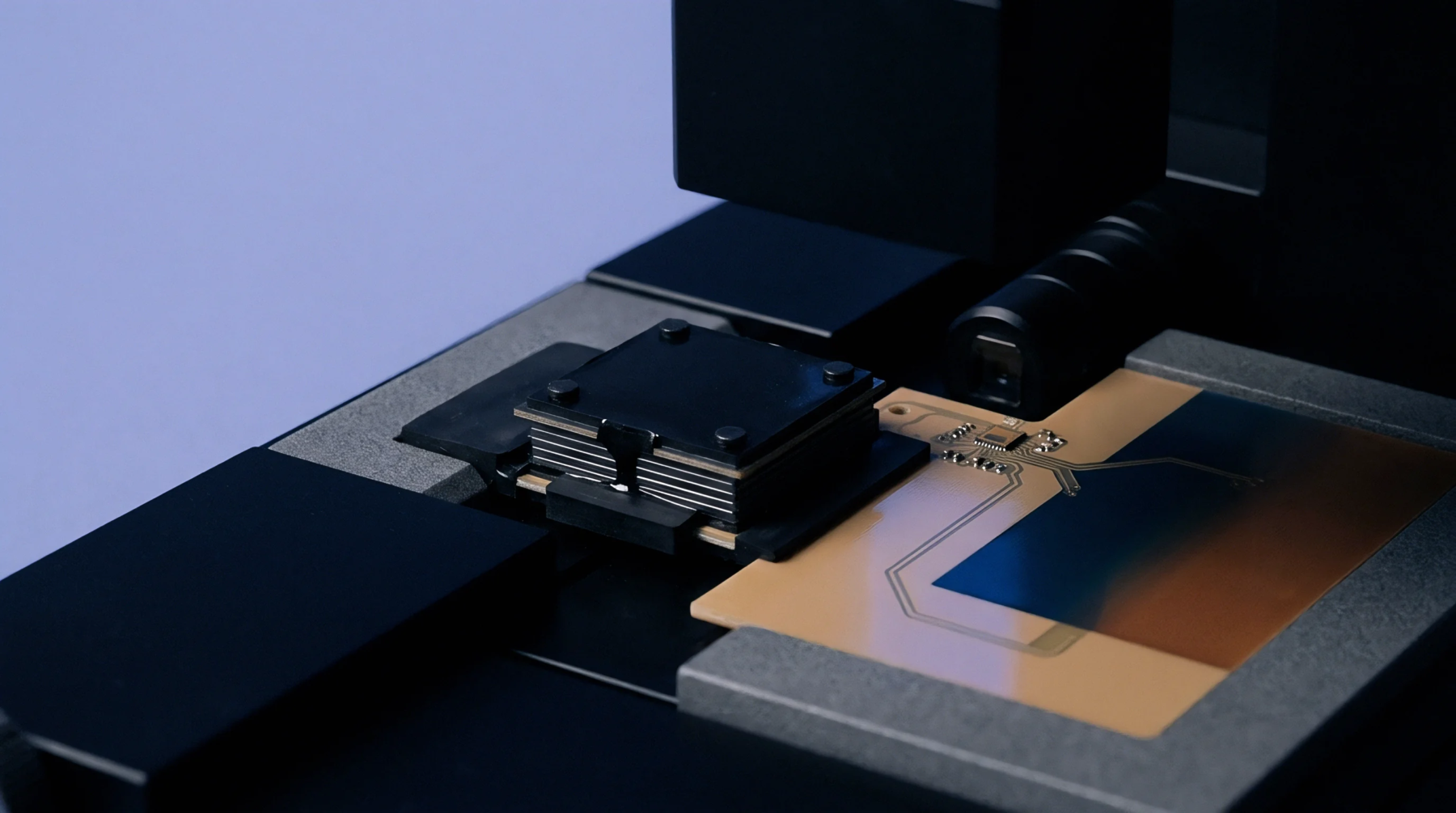
Dynamic acoustic-optical dispersion architectures enable real-time multi-tracker atmospheric compensation via microsecond index synthesis and FPGA control.

Digital frequency compensation corrects parabolic crystal drift in sub-GHz endpoints by recalculating synthesizer division registers using onboard thermal readings.
RTC compensation latency during thermal transitions causes clock frequency drift, requiring wider radio receive guard windows that drain battery reserves.

Scaling sub-GHz preamble lengths to offset crystal temperature drift preserves receiver sensitivity while reducing wake-on-radio battery drain.

Thermal quartz drift reduces sub-GHz receiver sensitivity by misaligning narrow channel filters unless compensation matches environmental swings.
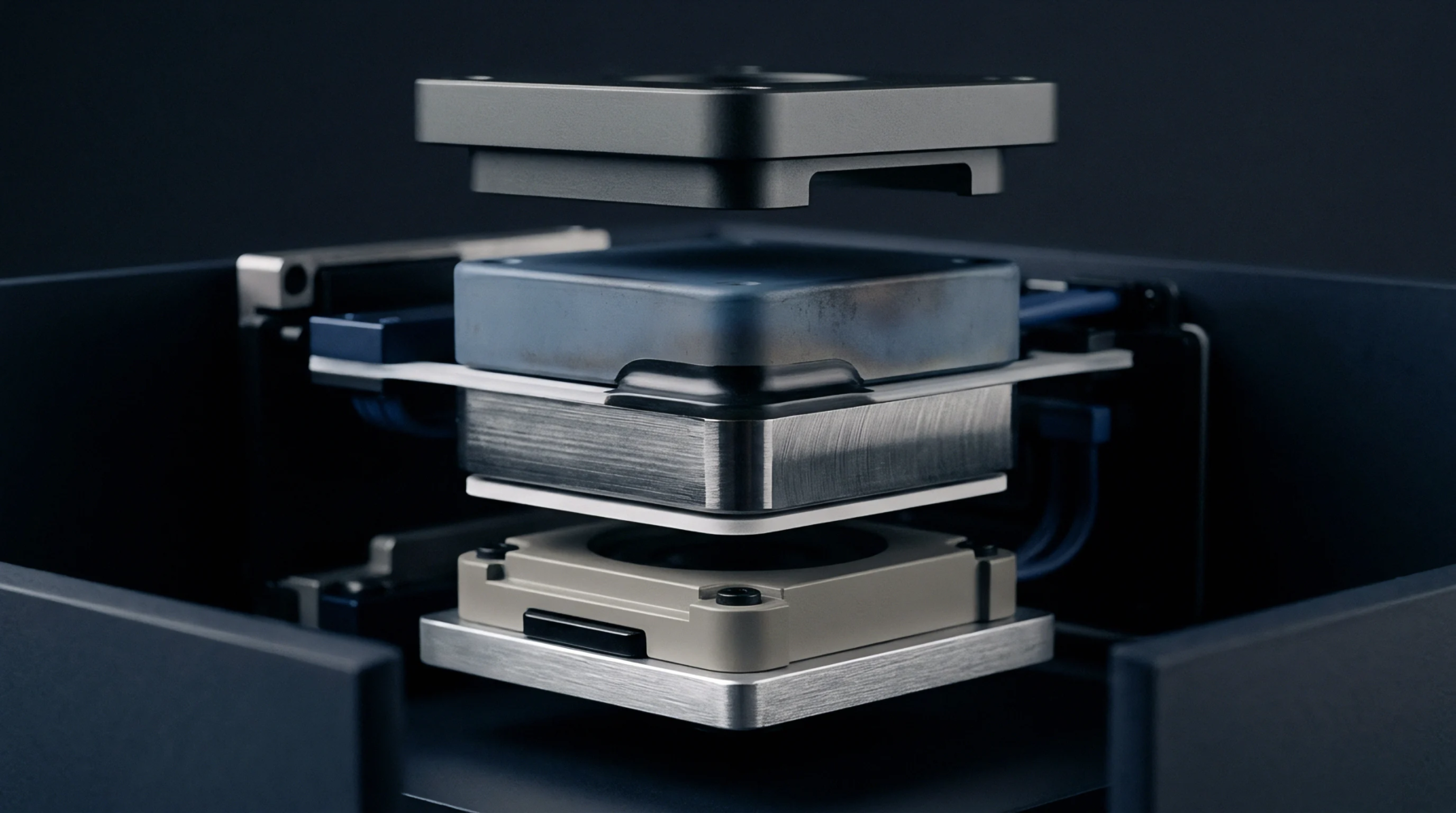
Predicting millimeter wave radome thermal phase distortion demands temperature dependent dielectric matrix modeling prior to committing to tooling.
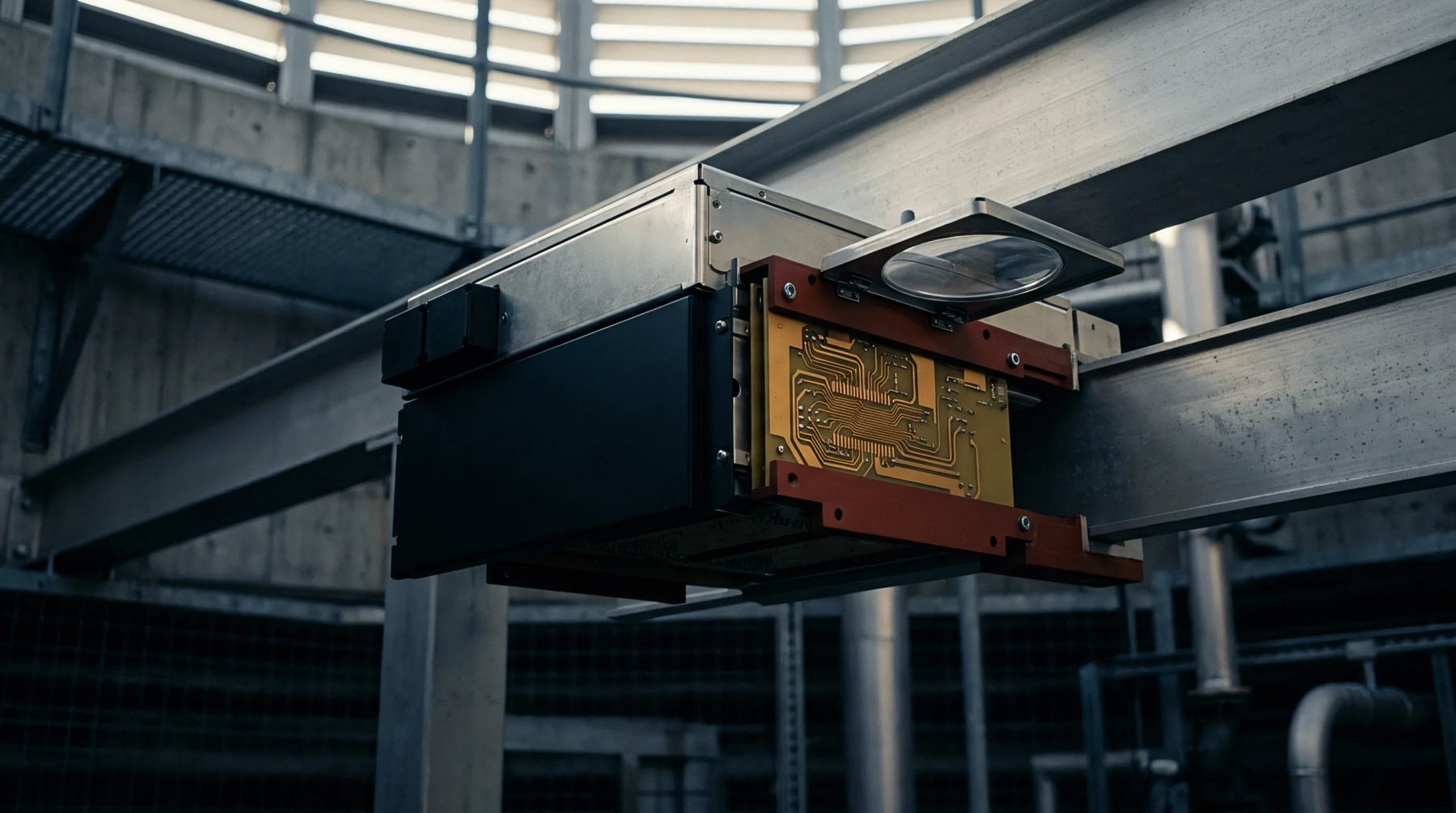
Calibrate free-space quasi-optical benches with time-gated TRL standards to prevent radome transmission loss from breaching radar EIRP regulatory limits.
Expertise is a utility, not a secret. sentiention™ publishes its working knowledge as open reference: intelligence layer covering the materials it sources, the markets it enters, and the reference that serves both.